THE OLDEST VESSEL
Terracotta,
Still Unmatched
For thousands of years, this earthen material has cradled roots for one simple reason—it breathes, offering a living environment no sealed vessel can replicate.
Why Plants Prefer It
Herbs, Citrus,
And Anything Dry
Fired clay left unglazed acts as a living, breathing membrane. It allows vital oxygen to reach the root zone while drawing excess moisture away from the soil—a critical advantage for Florida gardeners. In our humid, heavy-rain climate, porous terracotta actively prevents root rot, making it the definitive, horticulturally sound choice for Mediterranean herbs, citrus trees, and drought-tolerant species.
THE PATINA
It Earns
Its Color
Over twenty years, authentic terracotta doesn’t merely age—it breathes. As water passes through the porous clay, it carries mineral salts to the surface, creating a distinctive white bloom. Coupled with moss taking root in microscopic crevices, the resulting patina is the ultimate signature of a living, healthy vessel.
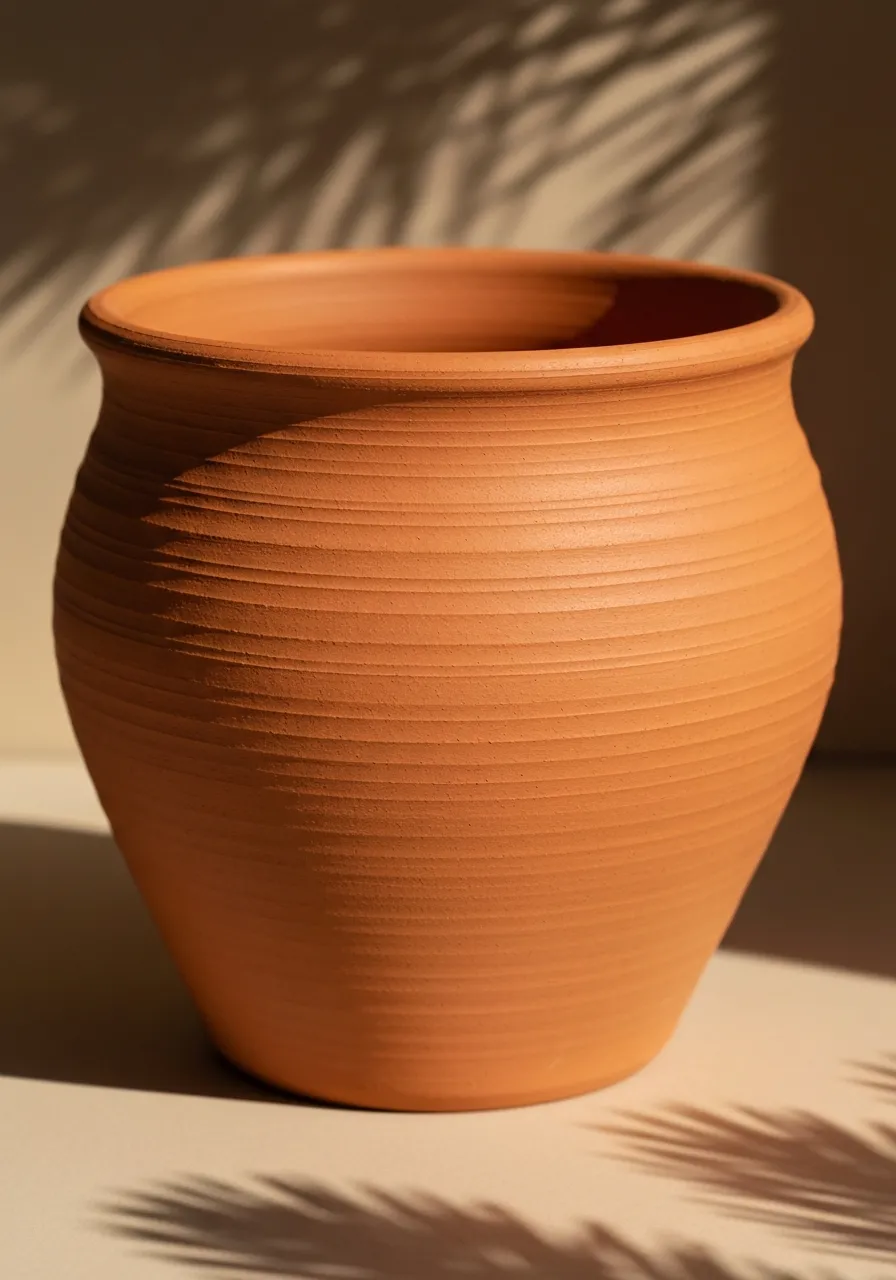
Raw Material
The unglazed beginning.
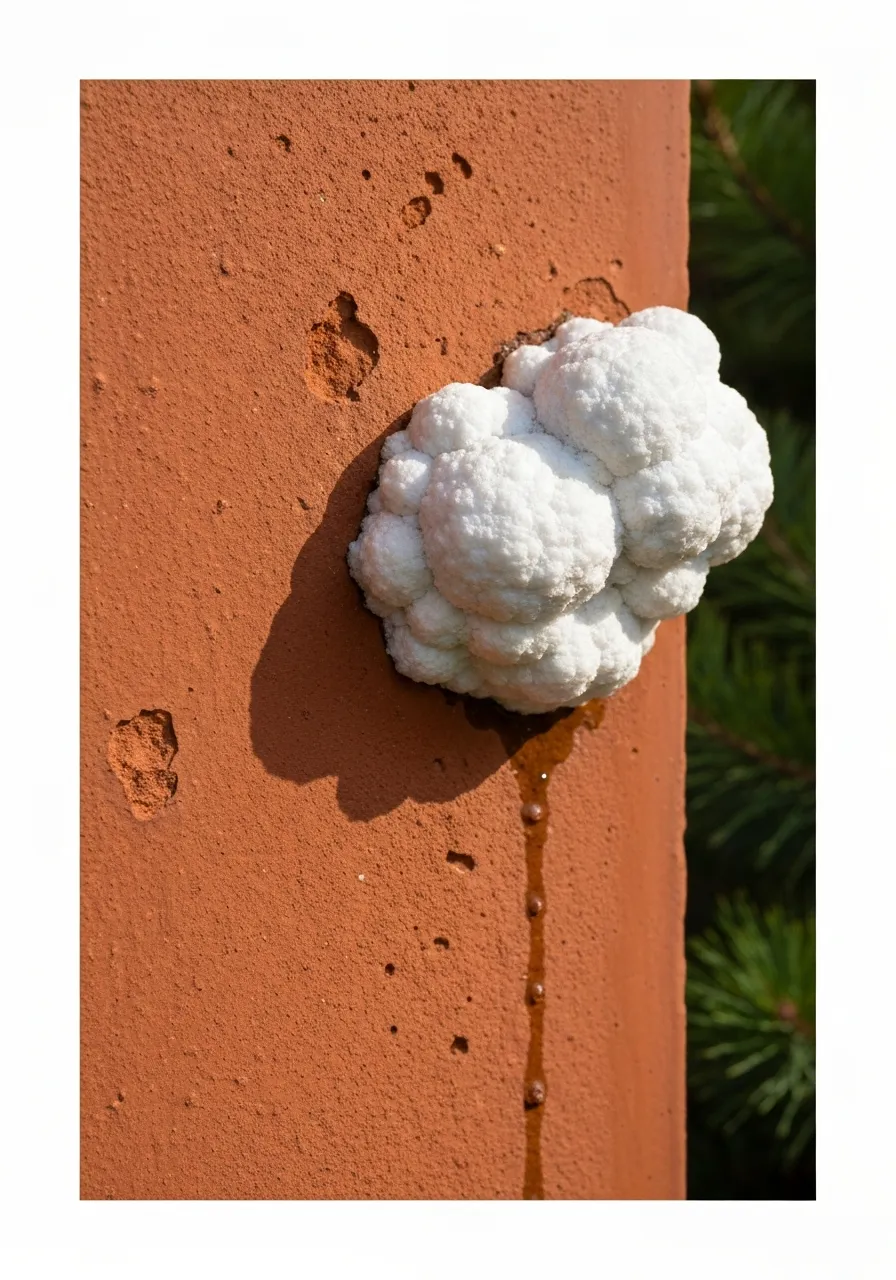
Mineral Bloom
Salts drawn to the surface.
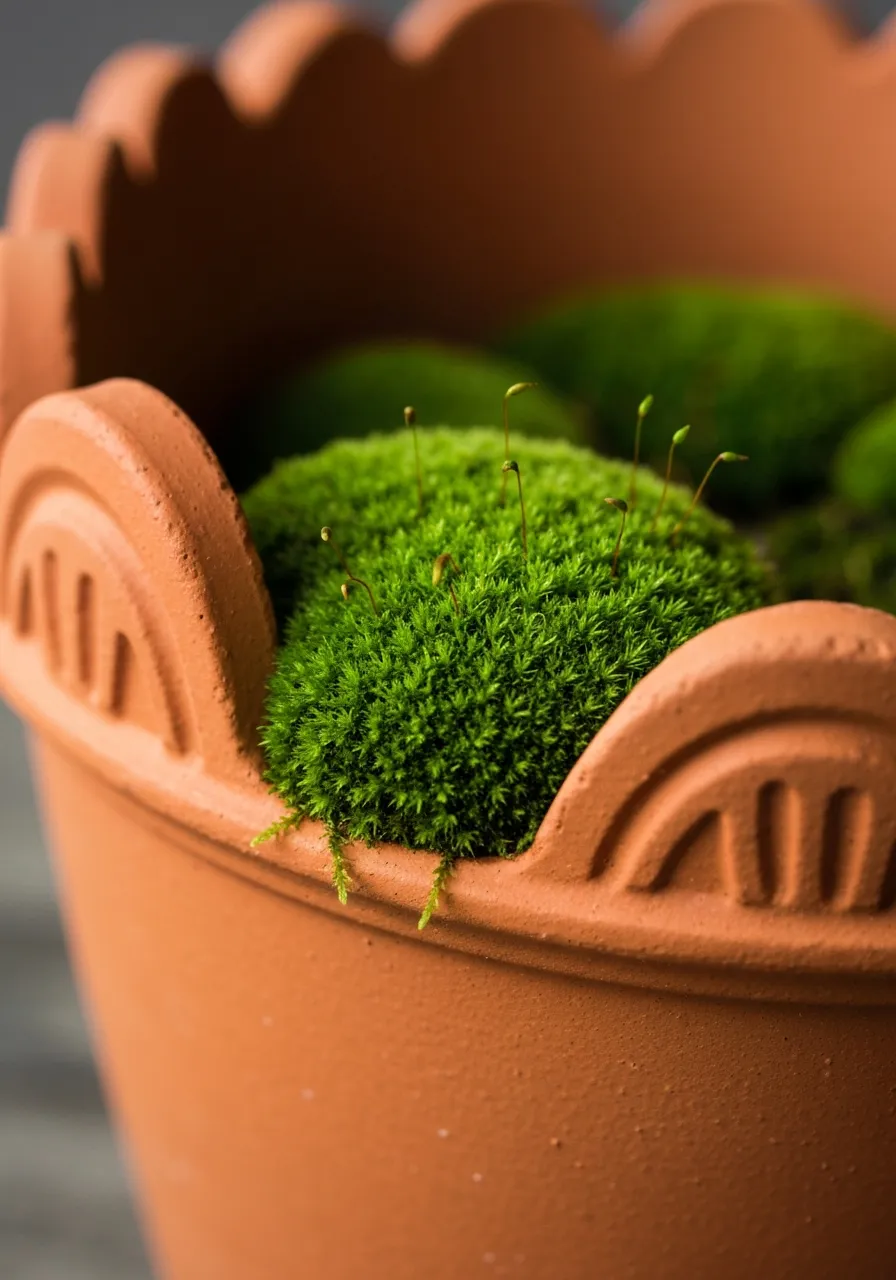
Moss Integration
Life taking root.
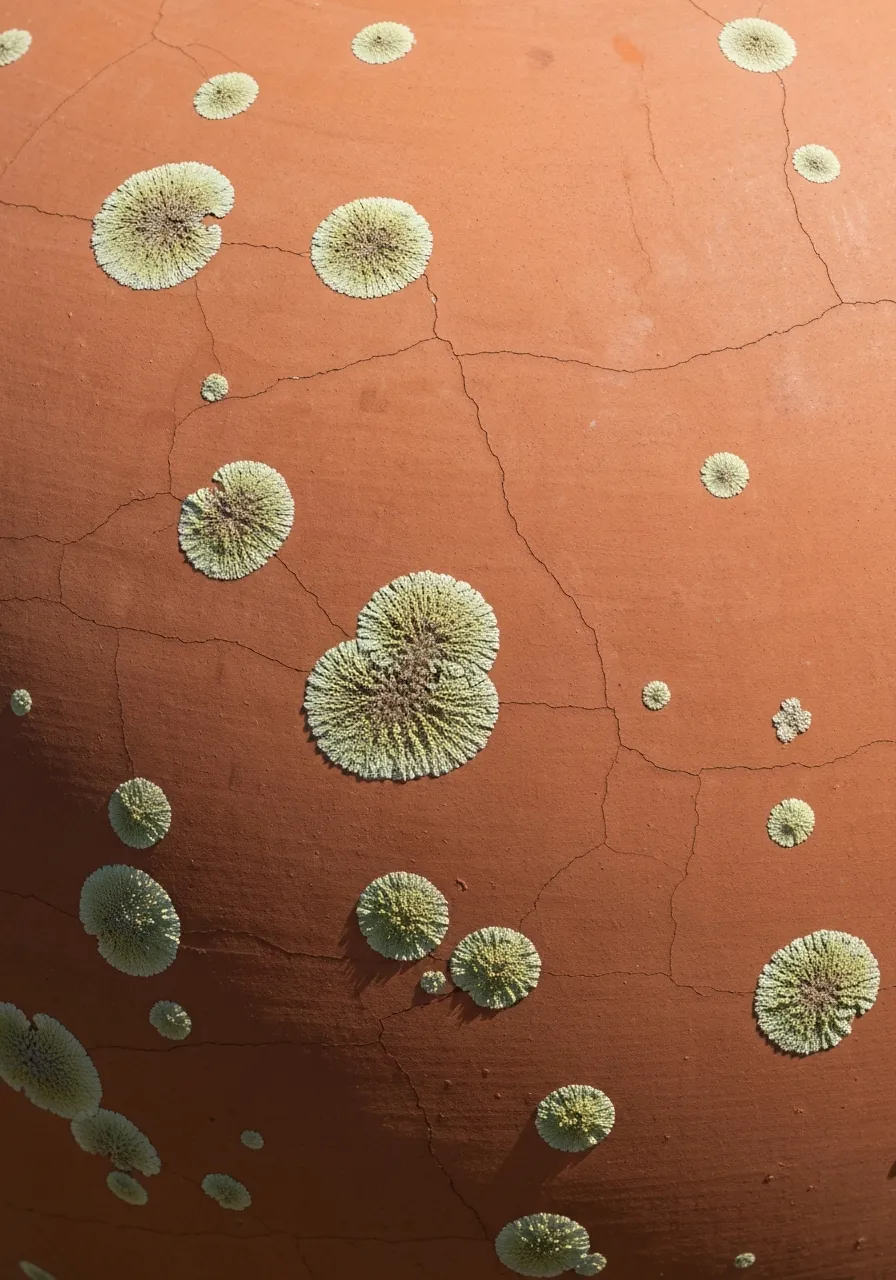
True Patina
Two decades of aging.
AVAILABLE SHAPES
Extraordinary
Forms
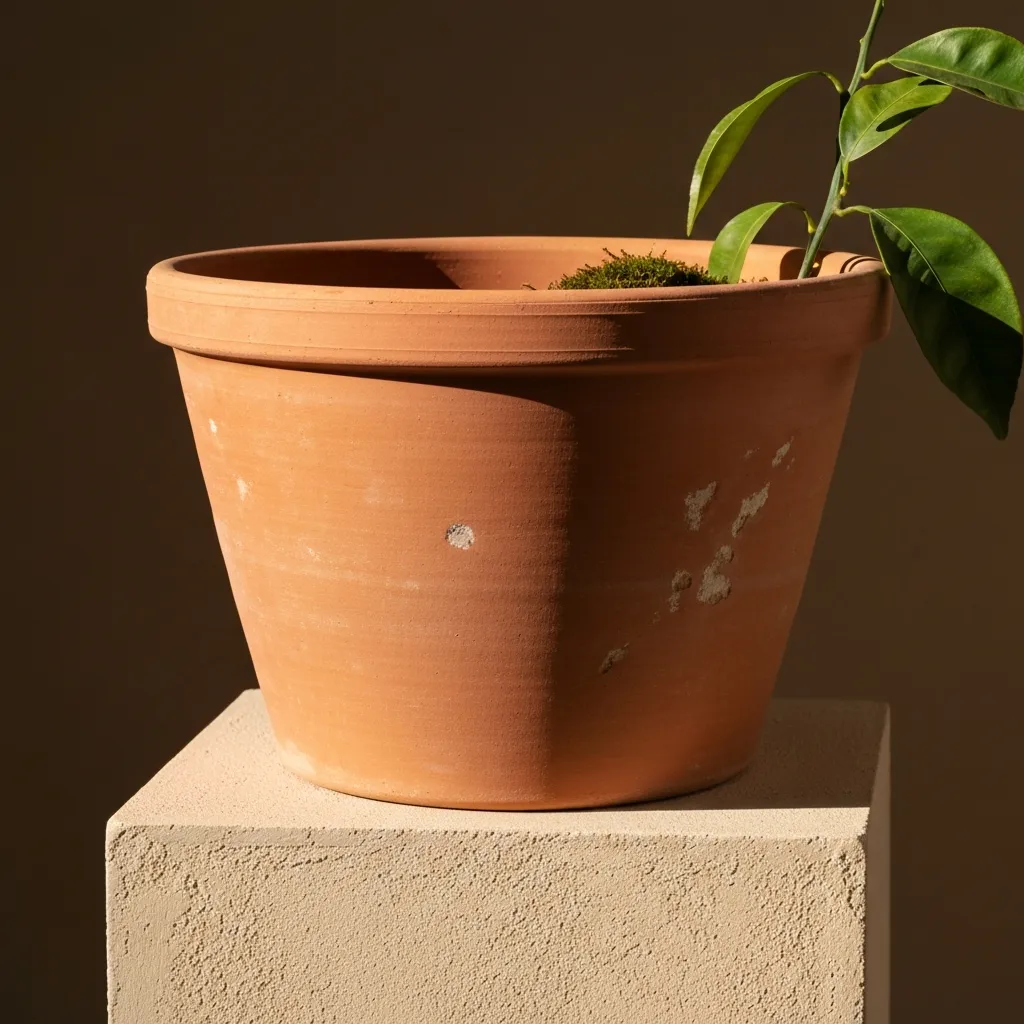
The Classic Rolled Rim
The standard Italian form featuring a substantial rim. Provides timeless architectural presence and structural strength for heavy soil.
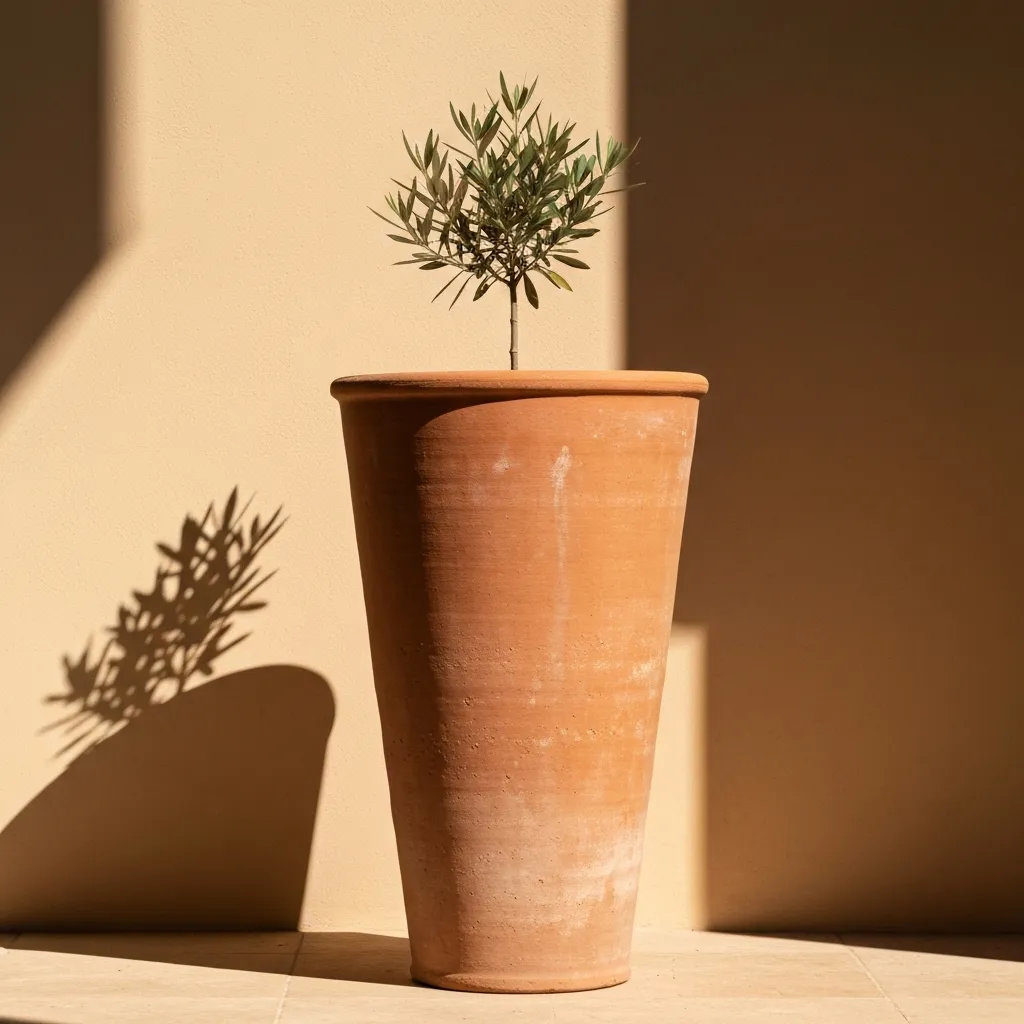
Long Tom & Deep Pots
Designed with exceptional depth for taproots and climbing species. Ensures unimpeded downward growth and balanced moisture retention.
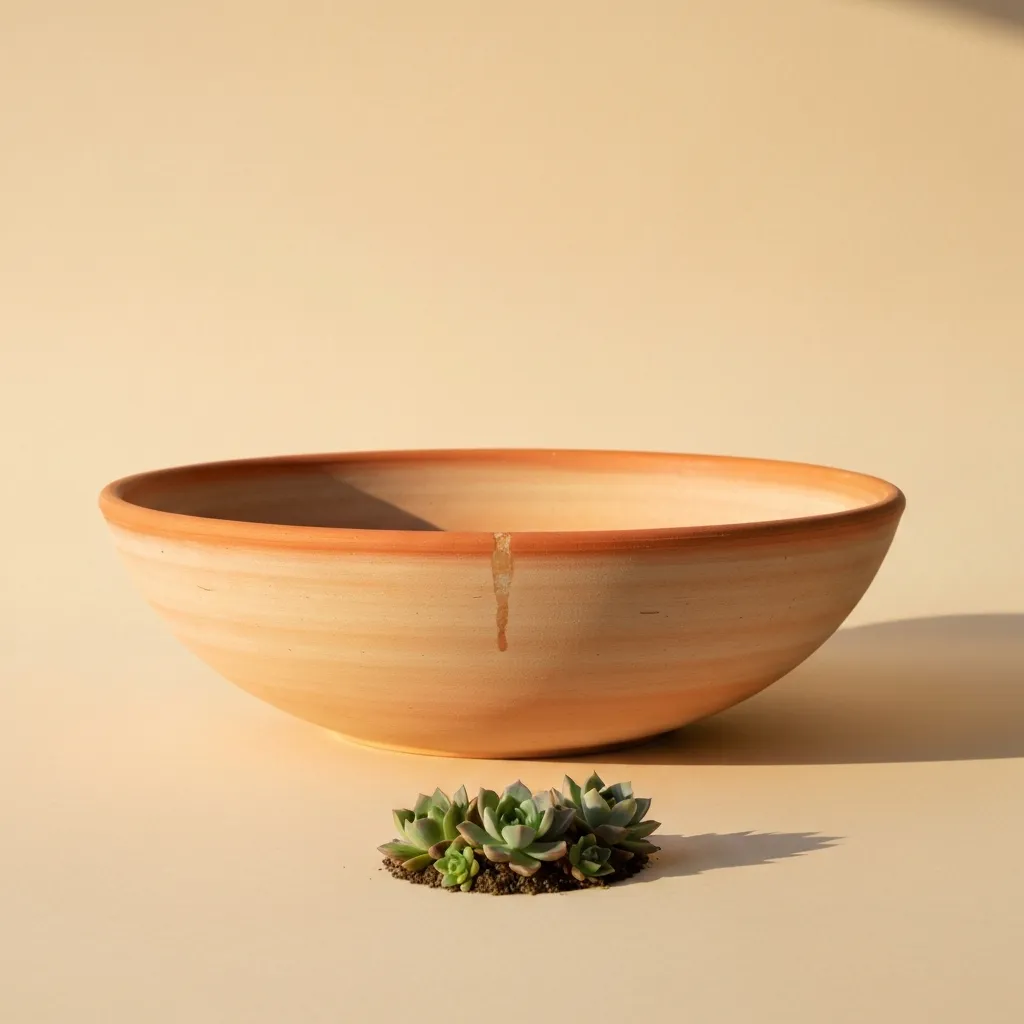
Bowls & Bulb Pans
Shallow, wide-mouthed profiles optimized for succulents and bulbs. Encourages rapid surface evaporation to protect delicate root systems.
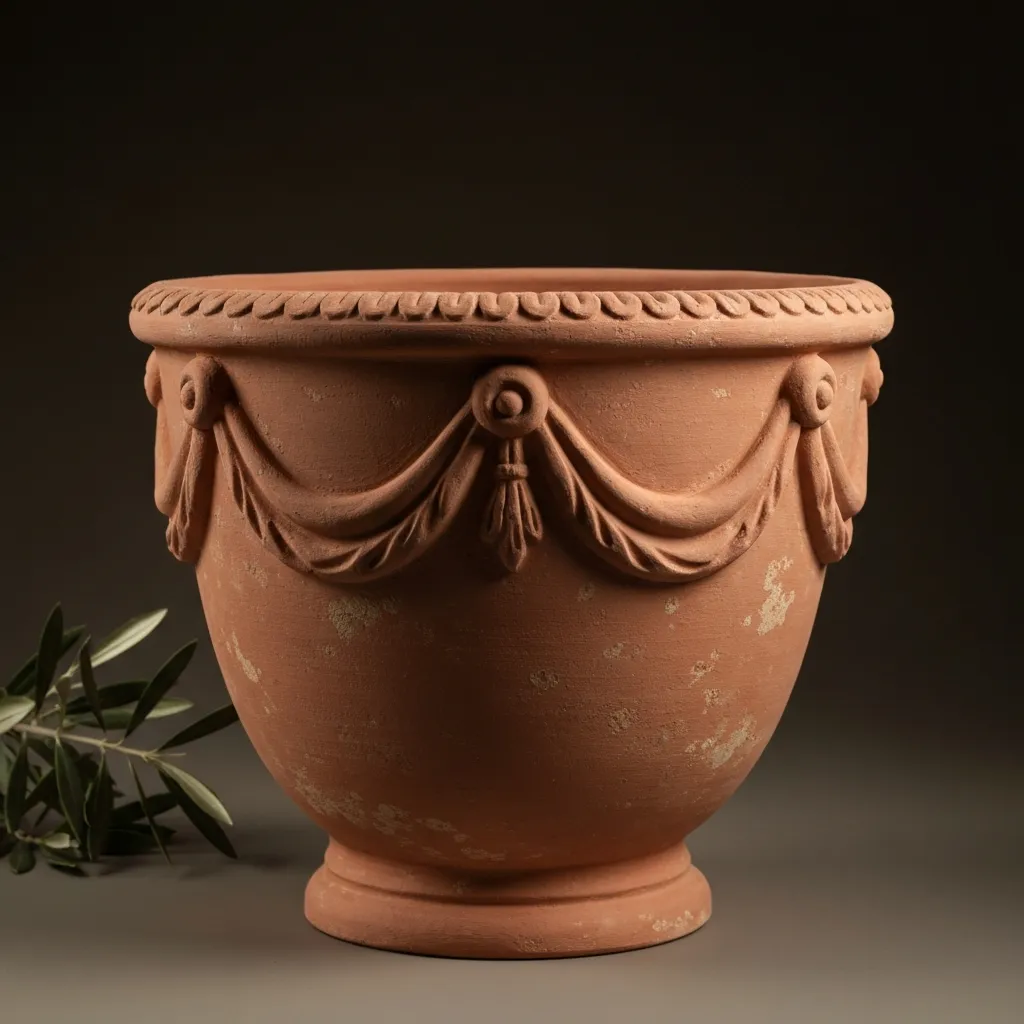
Ornamental & Hand-Decorated
Embellished with classic swags, garlands, and medallions. Brings a touch of formal Renaissance garden heritage to focal points.
CANDID COMPARISON
Where It's Right,
And Where It Isn't
Choose Terracotta When
- You prioritize root aeration and optimal plant health.
- Your plants prefer a drying out period between waterings.
- You appreciate the natural aging process and mineral patina.
Choose Glazed When
- The vessel will be exposed to heavy coastal salt spray.
- You are placing the pot on finished indoor floors without a tray.
- Your care routine relies on infrequent watering schedules.
POST-PURCHASE CARE
Soak It
Before You Plant
Proper seasoning and maintenance ensure your terracotta ages gracefully and supports optimal root health.
01. Pre-Soak Pottery
Soak new pots thoroughly before planting. Dry clay will actively steal moisture from the surrounding soil, shocking new transplants.
02. Watering Cadence
Expect to water more frequently, especially during the spring growth phase. The porous clay walls breathe naturally, allowing faster soil drying.
03. Mineral Bloom Care
Lift naturally occurring mineral bloom with a solution of white vinegar and a stiff brush. Never use a pressure washer on terracotta.
PALM BEACH COUNTY CLIMATE
Sun Yes,
Salt No
Our unglazed terracotta exhibits exceptional heat resistance—allowing plant roots to breathe and stay cool during the harshest South Florida summers. However, it requires mindful placement near the coast. The exact same porosity that cools the soil will eagerly absorb airborne ocean salt spray. For direct oceanfront exposure, position raw clay behind windbreaks, or protect its longevity by choosing our glazed alternatives.
EXPERIENCE IT
Warmth Doesn't
Photograph
The true color and tactile hand of authentic terracotta only read in person. Visit our nursery courtyard to experience the materiality firsthand.
Before You Buy
Questions, Answered
Patina, coastal exposure, placement, and the natural characteristics that make terracotta distinctive.
Terracotta is valued for its warm, natural character and the way its appearance develops over time. Because it is an unglazed clay material, variations in color, texture, and surface patina are part of its appeal. Our team can help you compare available terracotta pieces with other materials based on the look, scale, and setting of your project.
Yes. Terracotta is a natural material, and its surface can develop variations, mineral deposits, weathering, and patina as it is exposed to water, sunlight, soil, and the surrounding environment. Many customers appreciate that evolving character, but the amount and appearance of weathering will vary from piece to piece and by location.
White or light-colored mineral deposits can sometimes develop on terracotta as moisture and naturally occurring minerals move through or collect on the surface. This can be part of the normal aging and weathering of the material. If you have questions about the appearance or care of a particular piece, we recommend speaking with our team before using any cleaning method or product.
Preparation depends on the specific piece, its intended use, and where it will be placed. Because terracotta pieces can vary in construction and finish, we avoid giving a single preparation method for every pot. Our team can review the individual piece with you and discuss any manufacturer or vendor guidance that may apply.
Coastal conditions should be considered individually. Salt exposure, wind, water, sun, and the exact location of the piece can all affect how a material performs and we do not make blanket durability claims for oceanfront applications. Tell us where the piece will be placed and we can help you evaluate terracotta and other material options for that particular setting.
Start with the scale of the space, the look you want to create, and the location where the piece will be used. Terracotta is available in many shapes, sizes, and styles, and Floral Acres can help you compare pieces in the gallery. For larger pieces or unusual installations, accurate measurements and an individual evaluation of the location may be necessary.
We do not make a blanket recommendation that outdoor terracotta pottery is suitable for indoor use. The construction of the piece, moisture, drainage, flooring, placement, and installation conditions all need to be considered individually. If you are selecting a piece for an interior setting, let our team know so we can help you review appropriate options.