
THE STONE THAT DOESN'T CHANGE
Granite,
Measured in Centuries
The hardest material in the collection and the only one that will look the same for your grandchildren as it does today.
Geological Origins
Formed Under
Pressure
Granite’s enduring strength is born deep within the earth, where extreme heat and pressure forge an interlocking crystalline structure. As magma slowly cools over millions of years, minerals like quartz, feldspar, and mica bind together in a tightly woven matrix. This dense composition eliminates natural fault lines and porous voids, resulting in a monolith of unprecedented density.
Because of this molecular integrity, our statuary remains impervious to the harshest environmental extremes. It naturally repels moisture, ensuring that freezing temperatures cannot cause internal fracturing. Furthermore, the stable mineral structure guarantees absolute resistance to acid rain, coastal salt spray, and intense ultraviolet degradation, preserving the stone’s refined finish for generations.
MATERIAL STUDY
One Stone,
Four Surfaces
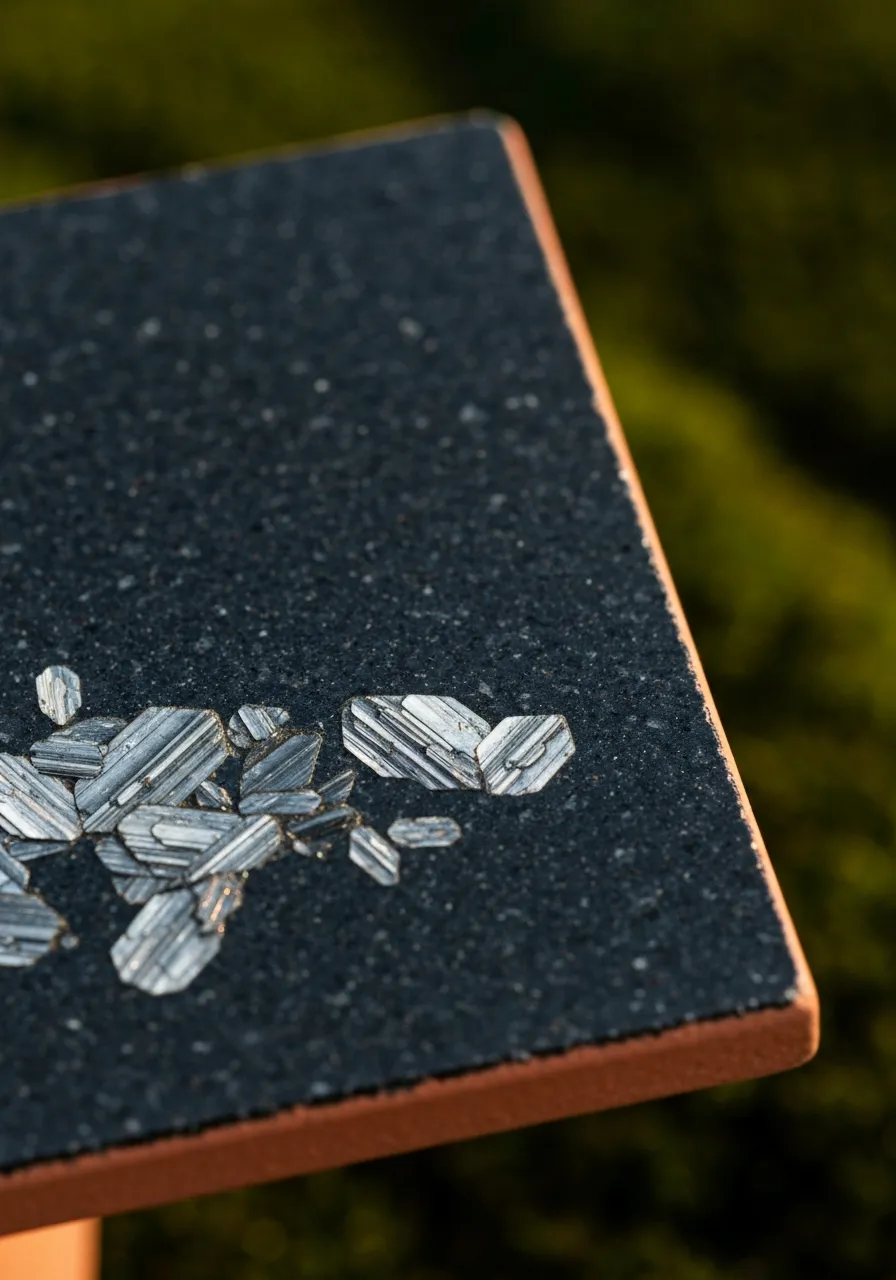
POLISHED
A brilliant, mirror-like gloss that deepens the stone's natural hue. The surface becomes a sleek reflection, appearing remarkably rich and dark when wet.
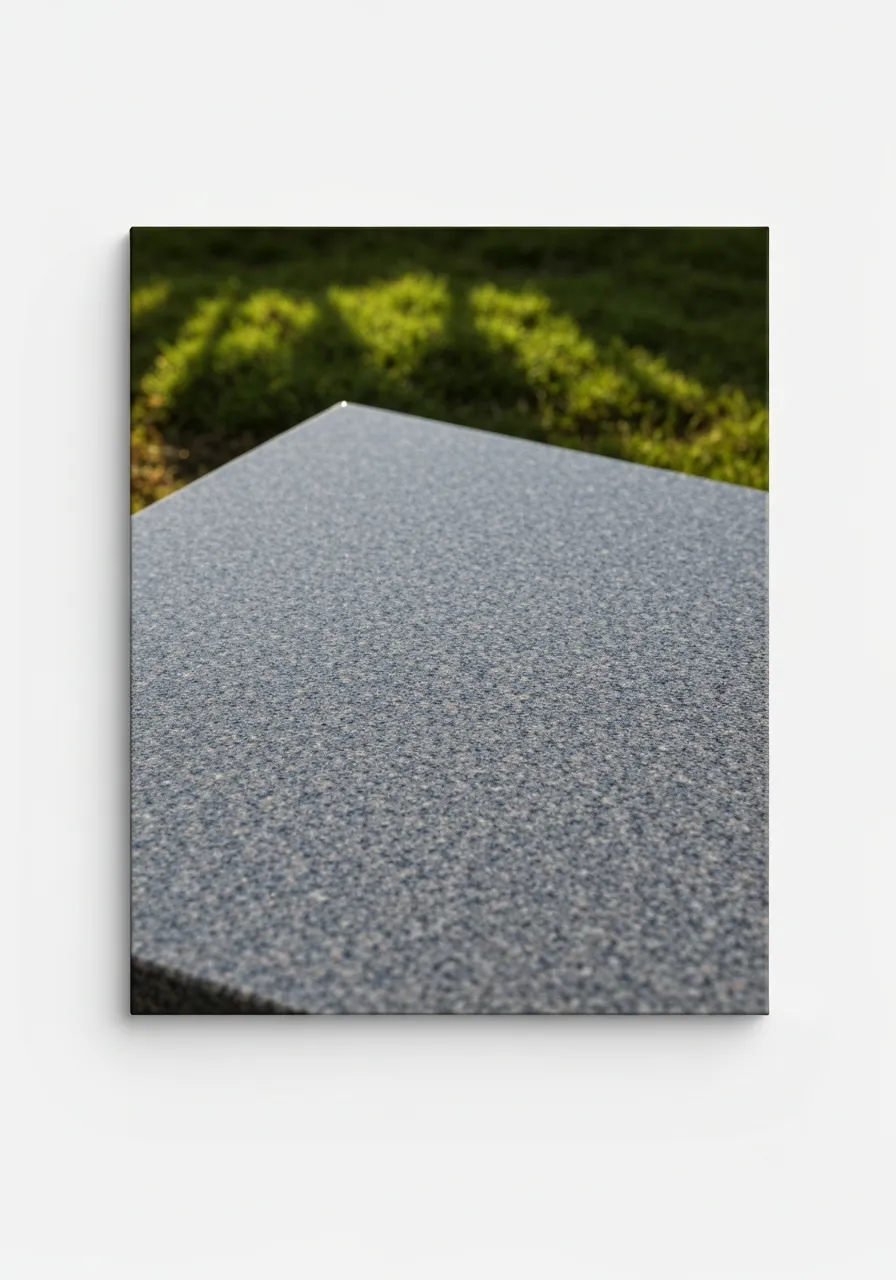
HONED
A smooth, matte finish offering understated elegance. It retains the stone's raw color while removing the high-gloss reflection, shifting beautifully in rain.
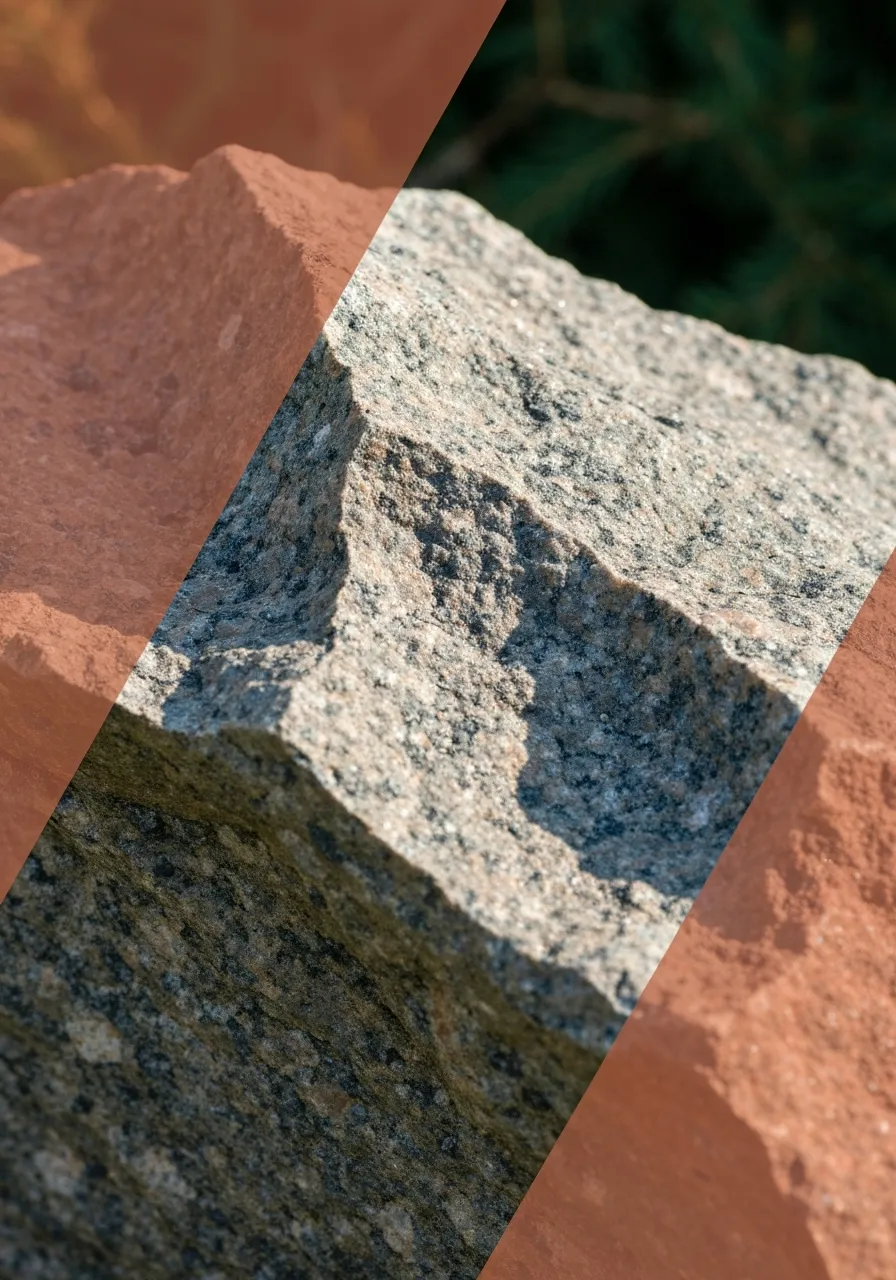
FLAMED
Intense heat bursts the quartz crystals, creating a highly textured, slip-resistant surface. Water settles in its rugged valleys, deepening the dramatic shadows.
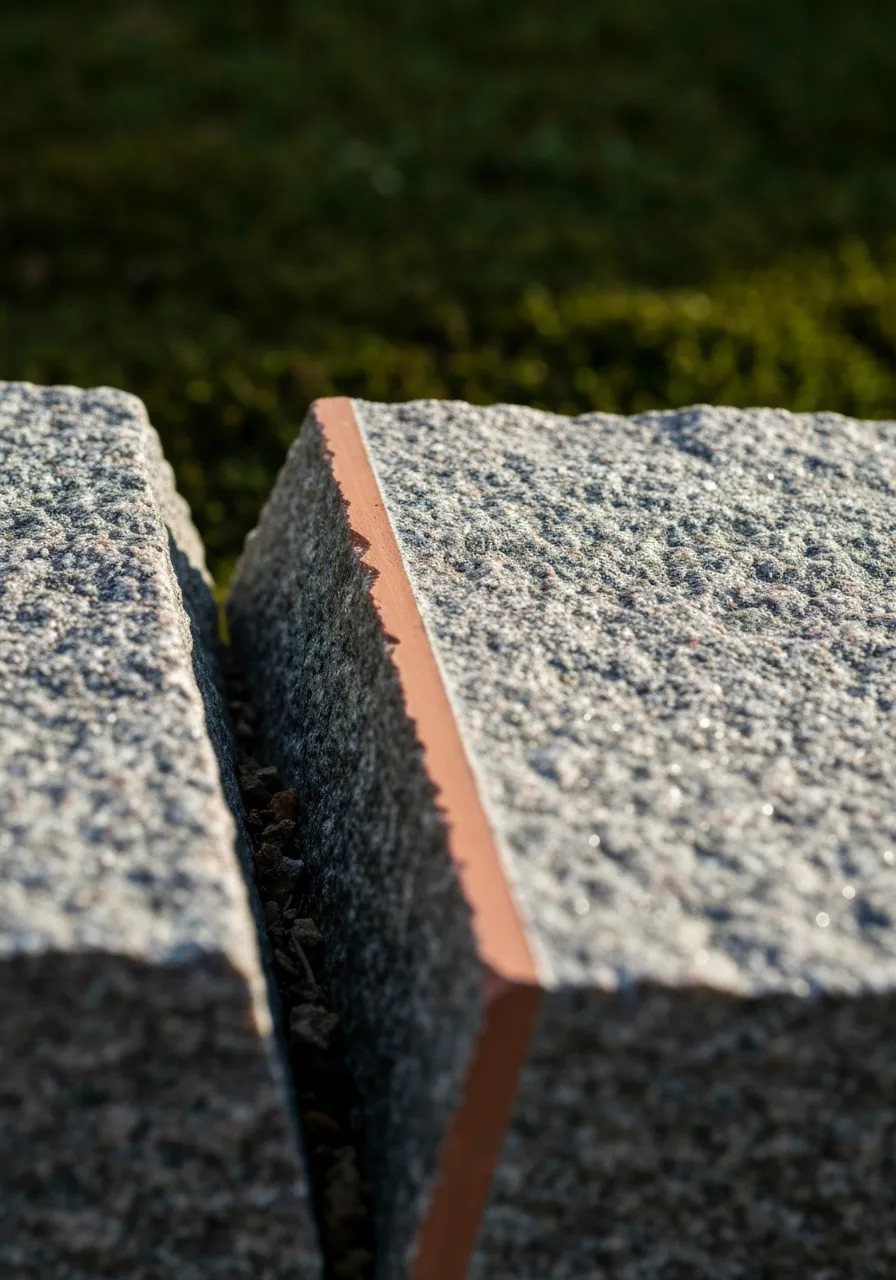
HAND-TOOLED
Traditional craftsmanship leaves deliberate, rhythmic marks across the stone. This tactile surface captures moisture in unique patterns, celebrating the mason's art.
HERITAGE & PHILOSOPHY
Lanterns, Basins,
And Restraint
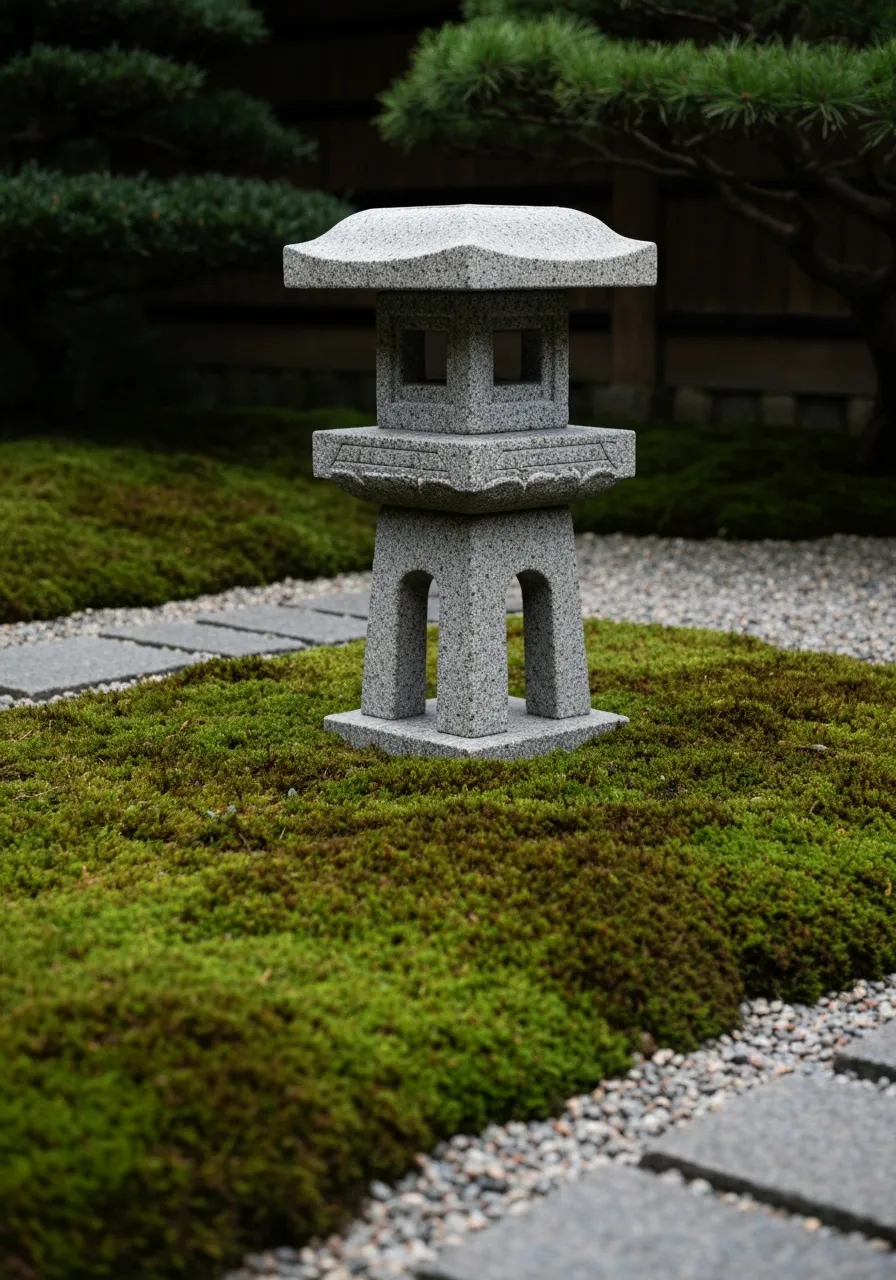
In traditional Japanese garden design, granite transcends mere ornamentation to become an anchor of philosophy. Wabi-sabi—the quiet appreciation of transience and imperfection—is carved into every stone lantern and water basin we offer.
Through asymmetrical placement and an embrace of weathering, these monoliths invite moss, lichen, and the passage of time to complete their form, honoring a centuries-old tradition of natural restraint.
MINIMALIST GEOMETRY
Spheres, Monoliths,
And Modern Form
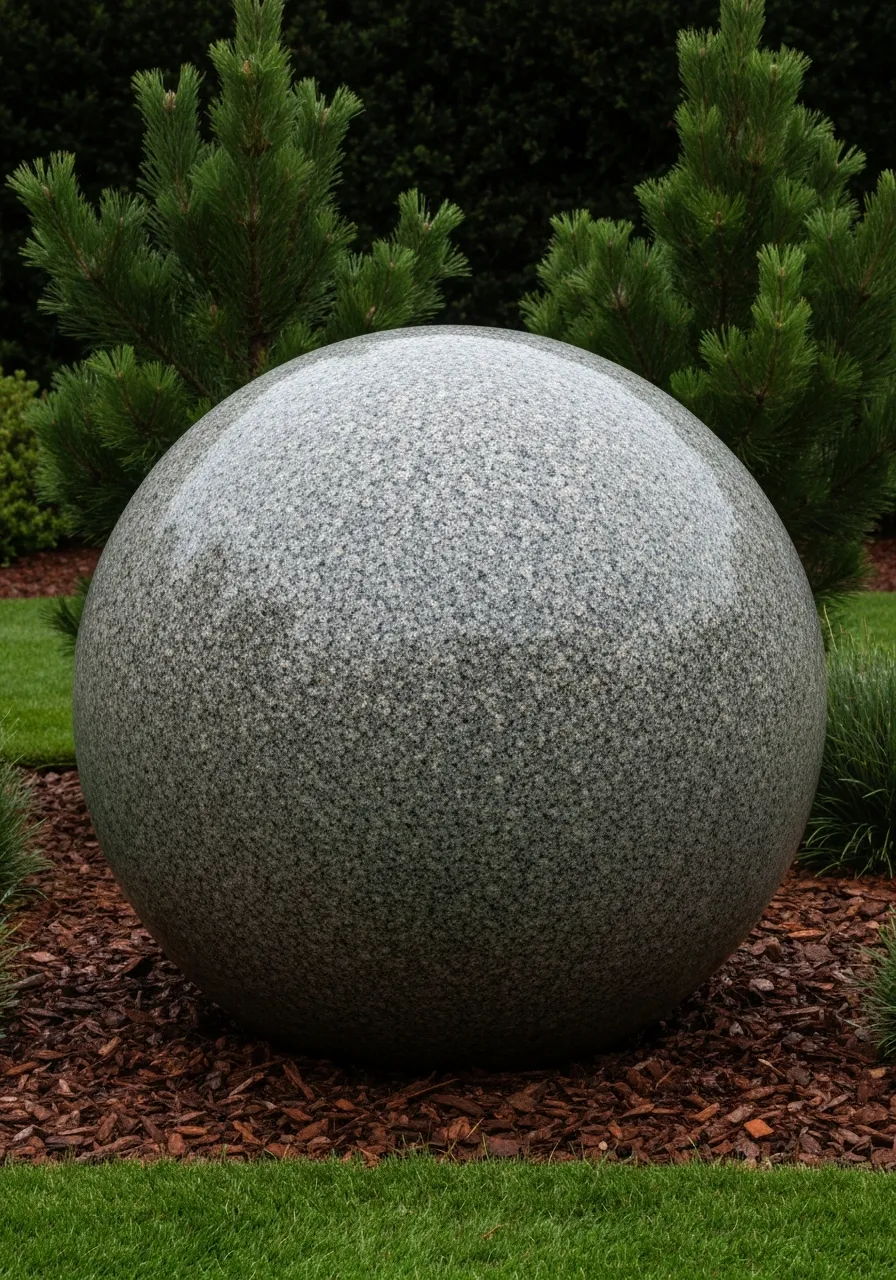
Granite’s exceptional density naturally lends itself to the purest geometric forms. When polished to a mirror finish or honed to absolute smoothness, spheres and sheer monoliths provide an arresting material contrast against wild, organic planting—anchoring contemporary landscapes with unwavering geological authority.
OCEANFRONT DURABILITY
Salt, Sun,
And Nothing Else
Unlike cast stone that crumbles or iron that corrodes, solid granite remains entirely indifferent to the harsh South Florida environment. Impervious to caustic salt air, relentless UV exposure, and hurricane-force elements, it requires zero patina maintenance. It stands resolute, enduring the coast exactly as nature formed it.
The Reality of the Medium
What It Costs
In Return
Granite is an uncompromising medium. Its sheer crystalline density and immense physical weight demand significant physical labor, specialized diamond-tipped tools, and a deliberate, unhurried pace. Every curve and plane coaxed from the surface represents days of meticulous carving and polishing.
The investment required for our statuary is a direct reflection of this reality. It is not an arbitrary premium, but the literal translation of material rarity and the exhaustive artisanal skill required to master a stone that yields to very few.
A Note on Fine Detail
Due to its granular structure, granite is fundamentally unsuited for delicate, thin extrusions such as fine figural fingers or flowing drapery.
If your commission requires intricate, fragile detailing, we respectfully advise exploring Bronze or Cast Stone as alternative materials. Granite exists to convey mass, architectural permanence, and enduring strength.
A Legacy in
Stone
Before You Buy
Questions, Answered
Durability, finishes, weight, and cost — why granite is different from everything else here.
Granite is valued for its density, hardness, and ability to perform well in many outdoor settings. Like any natural material, its appearance and performance can vary by the specific stone, finish, exposure, and installation conditions. Rather than treating any material as universally best, we recommend comparing granite with other options based on the particular location and project.
Granite may be a good option for some coastal settings, but oceanfront applications should still be evaluated individually. Salt, wind, water, sun, installation conditions, and the particular piece all matter. We avoid making blanket durability guarantees for any material in a highly exposed location, so tell us where the piece will be placed and we can help you review appropriate options.
The finish changes both the appearance and texture of the stone. Polished granite has a smoother, more reflective surface and typically shows more depth of color. Honed finishes are smoother and more matte, while flamed or thermal finishes create a rougher, more textured surface. Hand-tooled finishes can show more visible surface character. Available finishes vary by piece, so seeing them in person is often the best way to compare.
Natural stone can appear darker or more saturated when wet because water changes the way light interacts with the surface. The amount of change depends on the granite, its color, texture, and finish. If the wet appearance is important to your project, ask us to show you the specific piece under different conditions when possible.
Granite and cast stone are produced very differently. Natural granite must be quarried, cut, shaped, finished, transported, and handled as a substantial stone material, while cast stone is formed using a different manufacturing process. Those differences can affect labor, transportation, availability, and price. The right choice depends on the look, location, scale, and budget of the project rather than cost alone.
That depends on the particular granite, finish, location, and intended use. We do not recommend one sealing approach for every piece. Before applying a sealer, cleaner, or other treatment, check the manufacturer or vendor guidance for the specific item or ask our team about appropriate care.
Moss, lichen, mineral deposits, and other surface changes can become part of the natural character of outdoor stone over time. Whether you prefer that weathered appearance or a cleaner look is largely an aesthetic decision. Because granite finishes and surface conditions vary, we recommend confirming the appropriate cleaning method for the specific piece before using pressure washing, chemicals, abrasives, or other treatments.