THE VICTORIAN GARDEN
Cast Iron,
Detail and Weight
The permanence and detail of foundry-poured ornament, crafted to anchor your garden for generations.
VICTORIAN ORIGINS
The Foundry
Made It Possible
During the 19th century, the advent of industrial casting methods transformed the landscape of garden ornamentation. Techniques that once required laborious stone carving were replaced by the precision of the sand-casting process.
This innovation allowed foundries to mass-produce intricate, high-ornament statuary, making grand botanical art accessible to the public for the very first time. The resulting pieces preserved the crisp, delicate lines of their original wooden master molds in unyielding iron.
UNMATCHED CRISPNESS
Detail, Weight,
And Presence
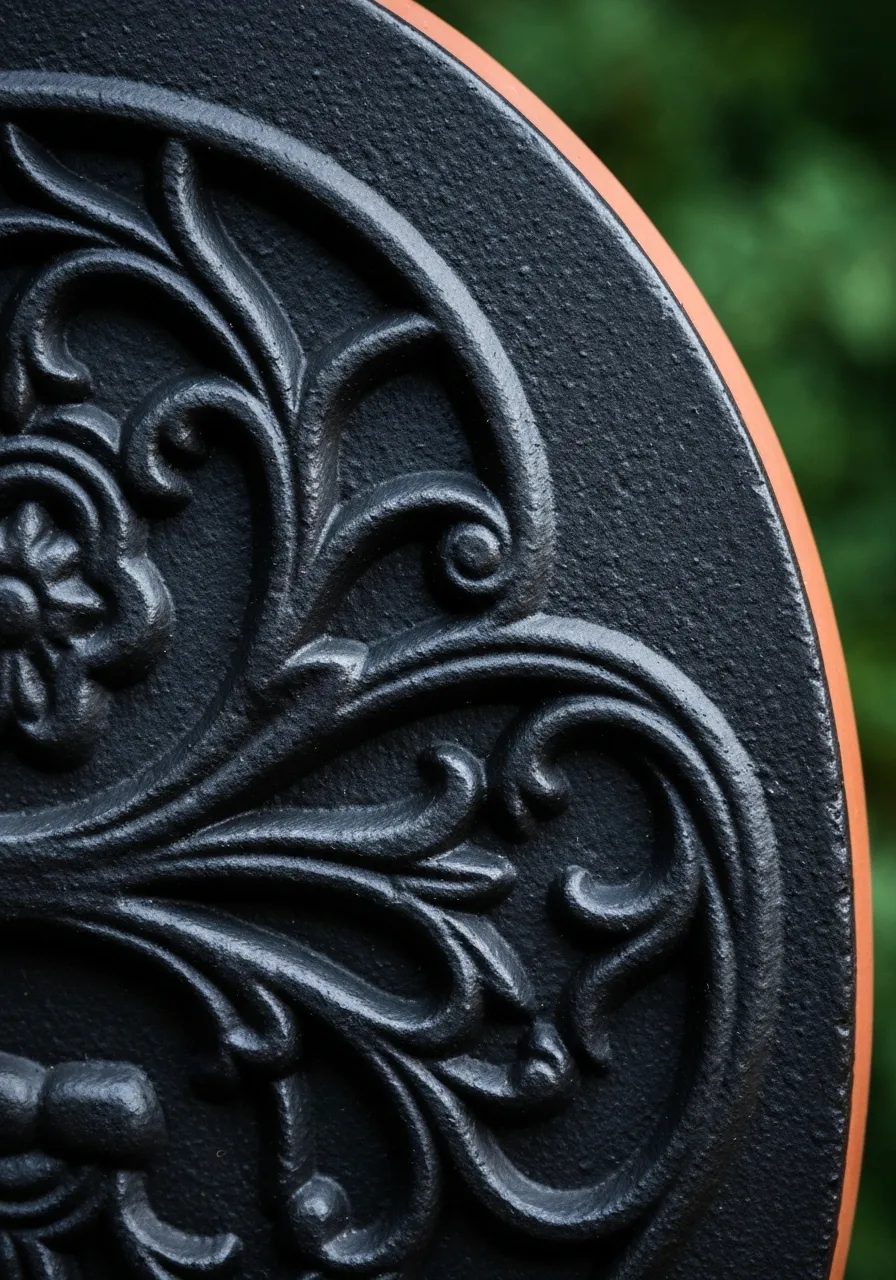
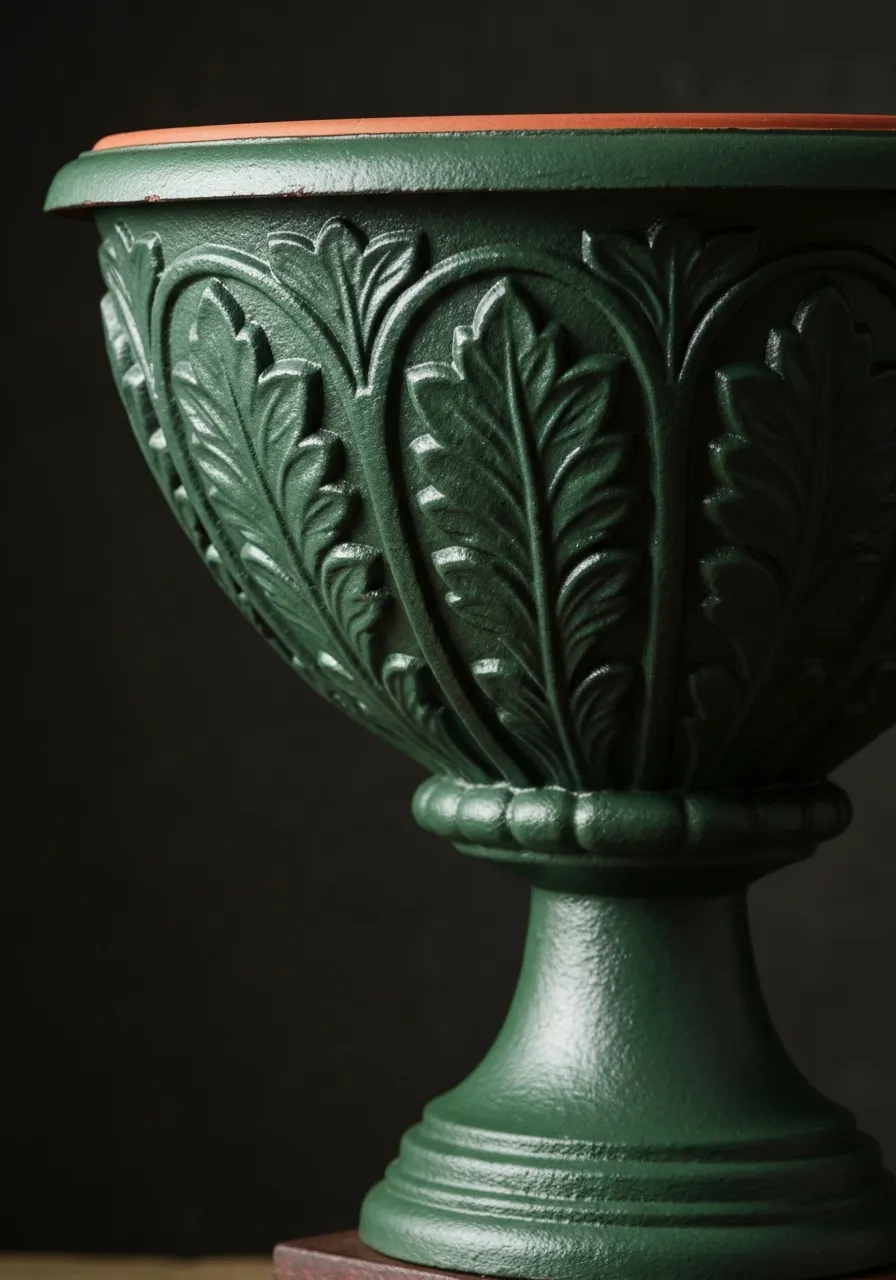
Cast iron captures a level of crisp, intricate resolution—such as fine foliate fluting—that porous stone simply cannot match. Beyond its breathtaking detail, the sheer density of the iron provides an unyielding, wind-stable foundation at grade, ensuring these pieces stand resolute through the most demanding conditions.
THE HONEST CONDITION
Iron Rusts.
Plan For It
THE MYTH
That cast iron can be placed in a South Florida garden and safely ignored for decades without consequence.
THE TRUTH
Any bare spot will rust. This is a maintained material demanding regular inspection and deliberate repainting to preserve its structural integrity and historical finish.
If you want a material you can ignore, this is not it. If you want a generational heirloom that grows more dignified with careful stewardship, be prepared to maintain it.
SITING STRATEGY
Away From Salt,
Away From Sprinklers
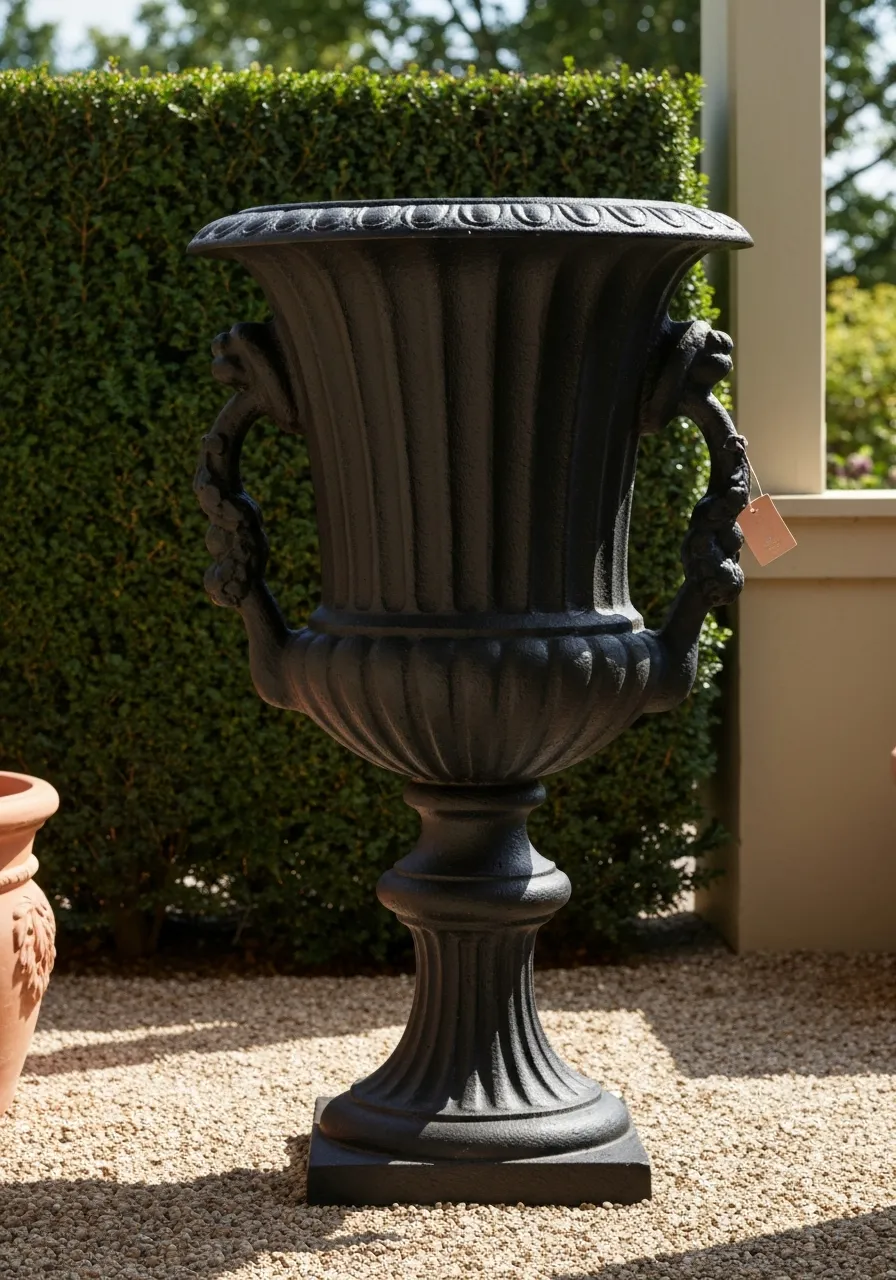
In the Florida climate, placement is as critical as provenance. Iron thrives when protected from the corrosive drift of direct ocean spray. Position statuary in sheltered loggias, beneath deep eaves, or on dedicated gravel beds rather than directly in the turf.
Critically, urns and planters must remain entirely outside the throw pattern of irrigation heads. The constant barrage of municipal water, combined with poor drainage, accelerates wear. Ensure all bases are elevated slightly on stone or brick to allow water to drain freely away from the iron.
THE CATALOGUE
Classical Shapes,
Garden Forms
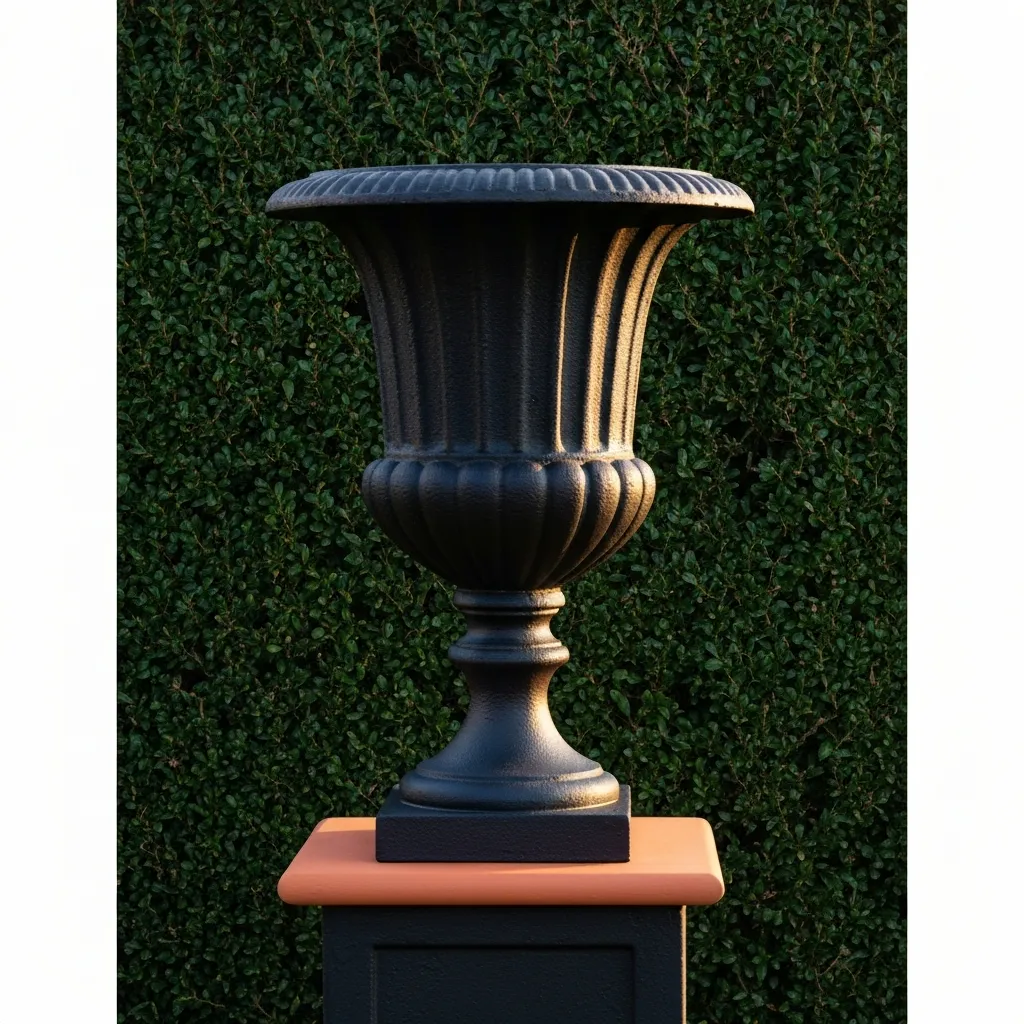
Urns & Jardinieres
Classic vessels cast from antique molds. Perfect for framing entrances or anchoring garden parterres.
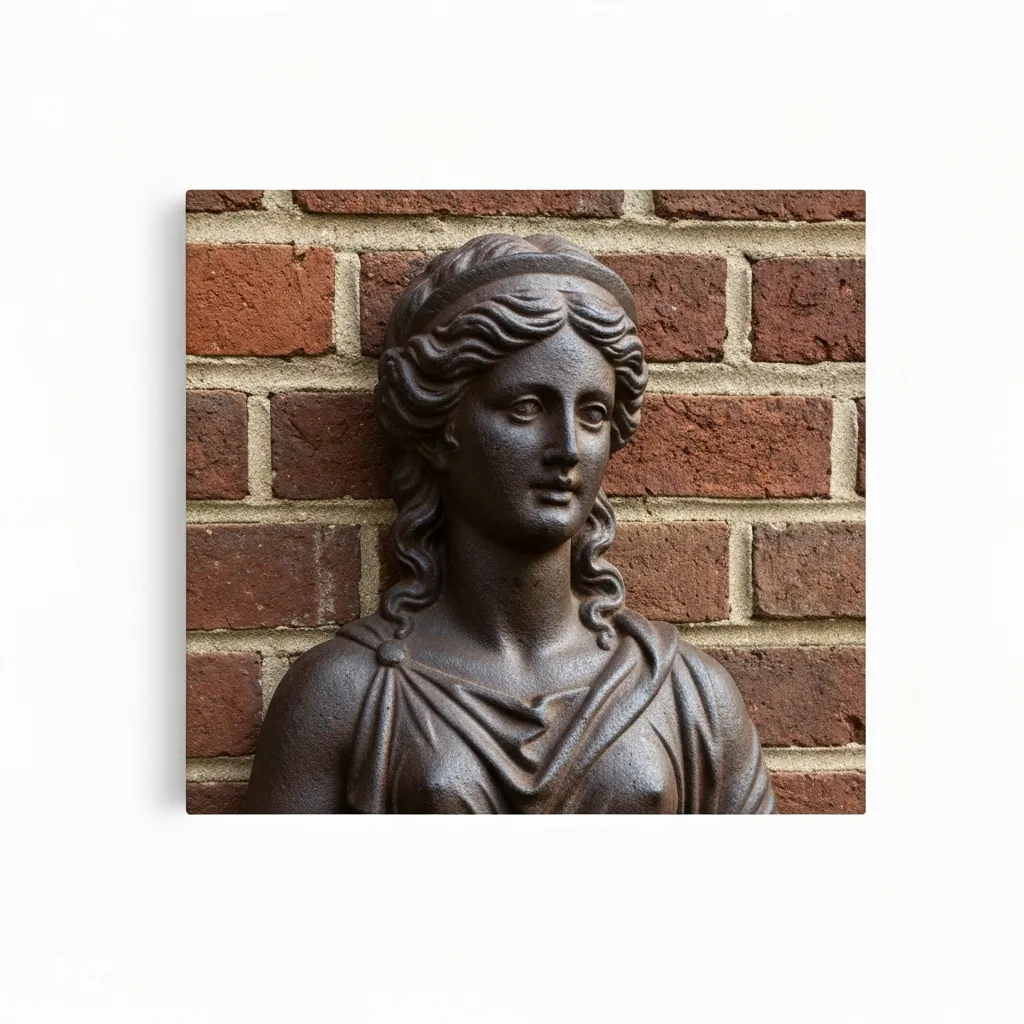
Figures & Ornament
Timeless statuary capturing Victorian elegance. Each piece develops a unique patina over decades of weathering.
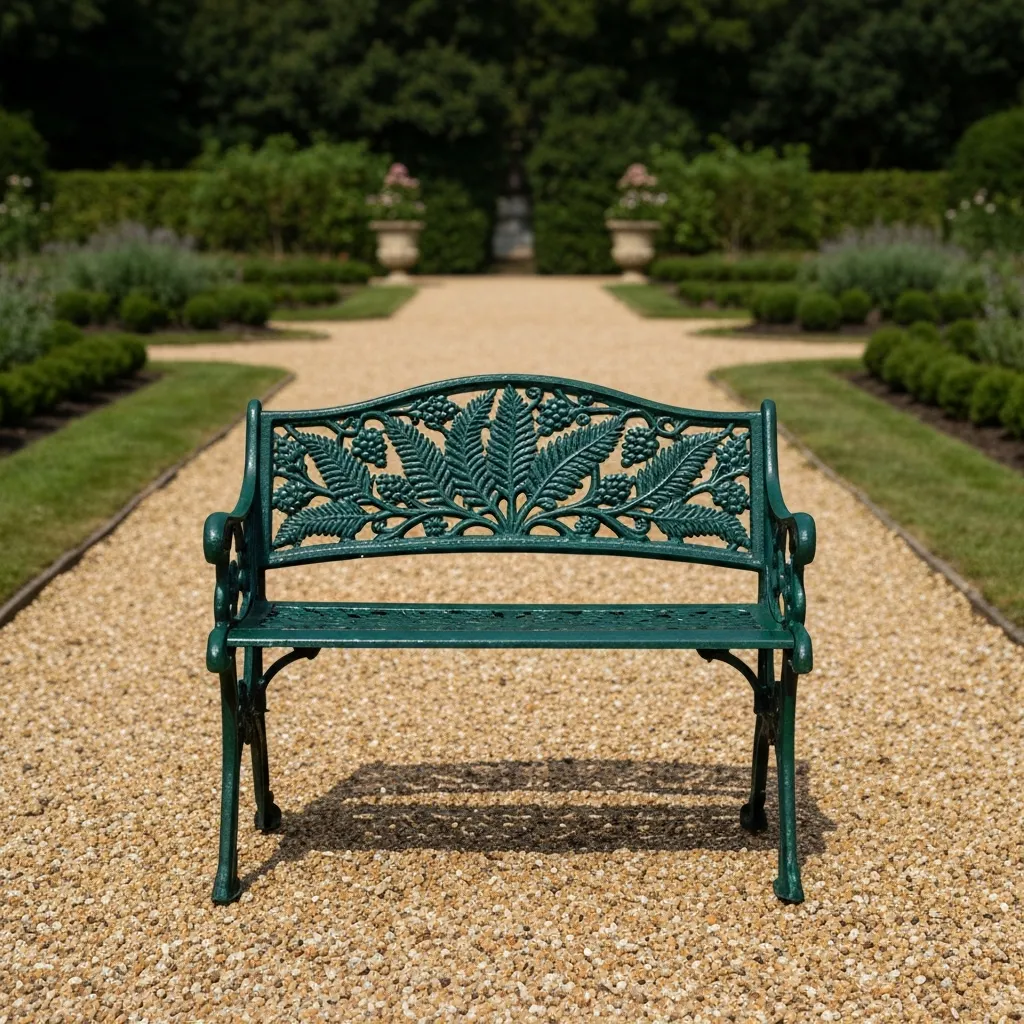
Benches & Seating
Sturdy, ornate seating designed to endure the elements. Intricate vine and fern motifs inspired by 19th-century foundries.
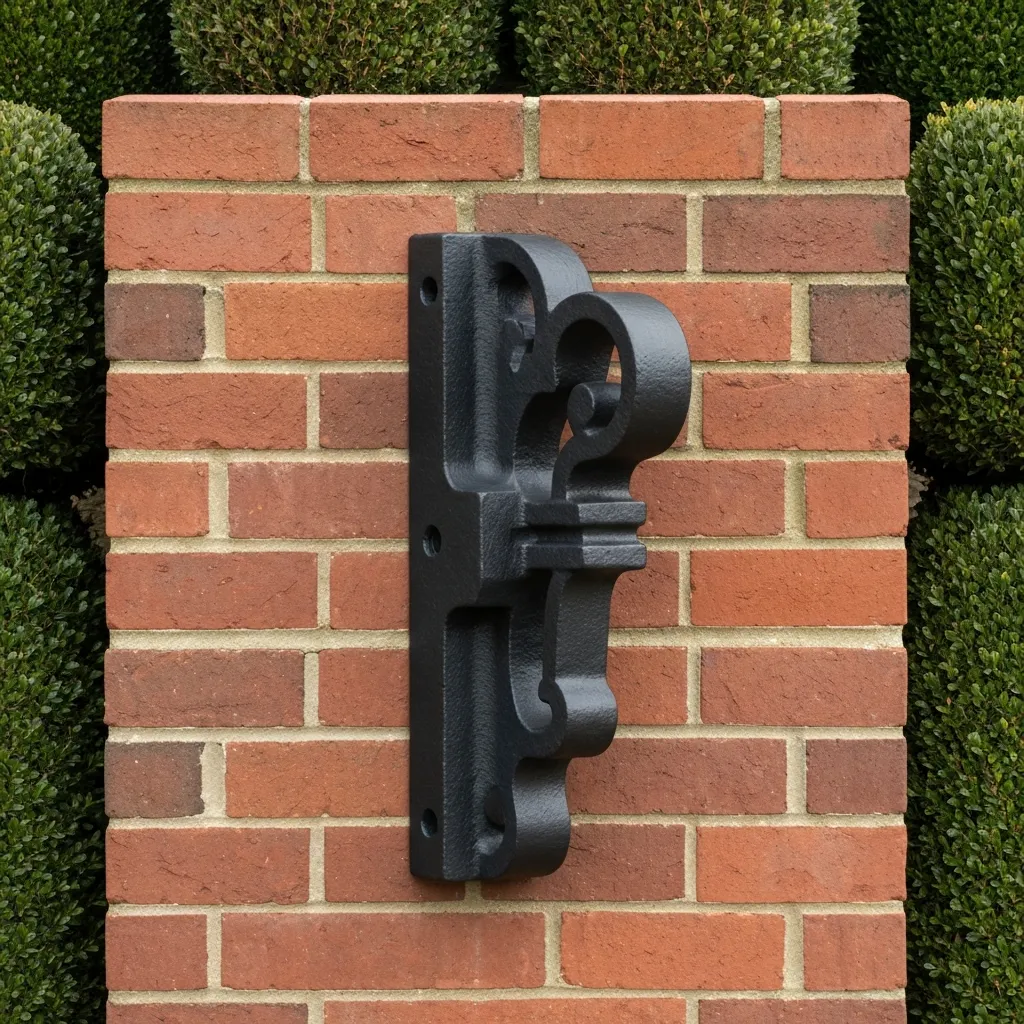
Architectural Elements
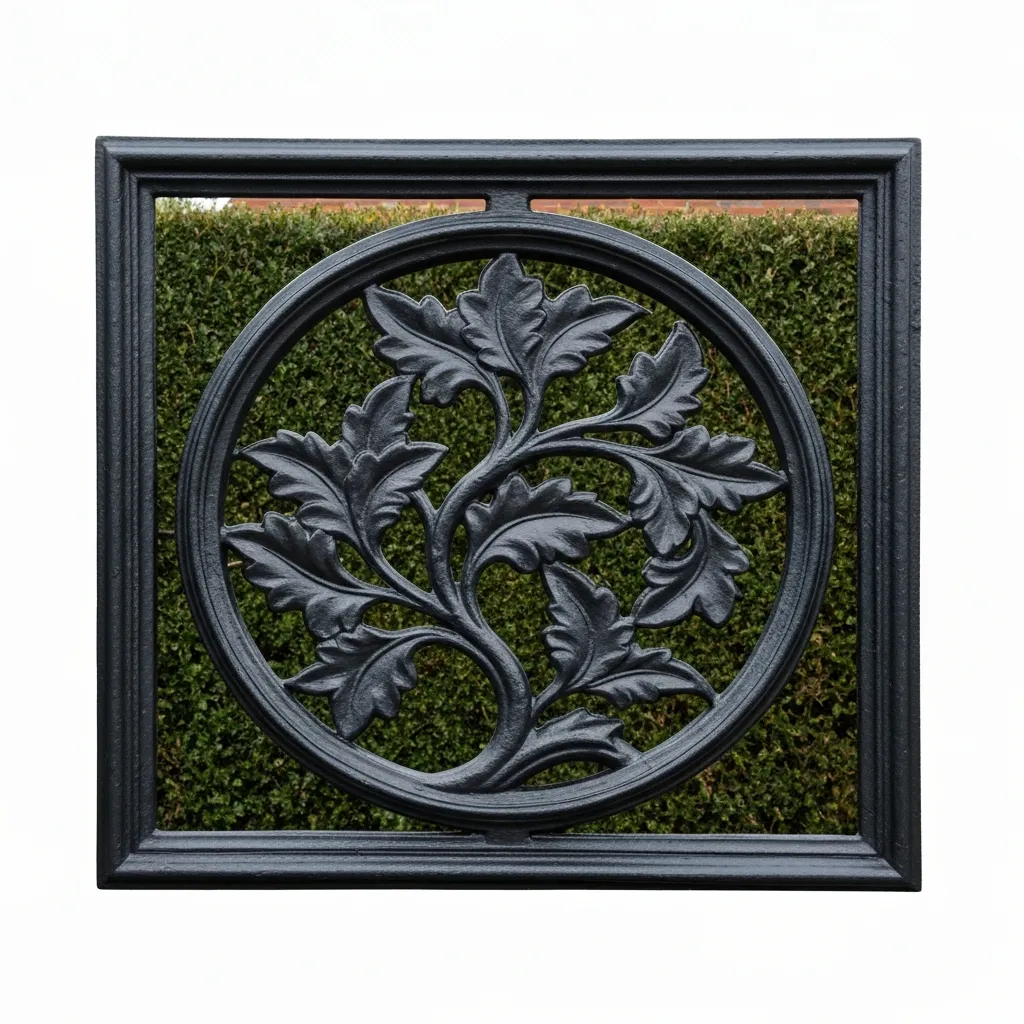
Substantial gates, finials, and cresting. Bring historical weight and structural permanence to your estate grounds.
FINISH OPTIONS
Black, Green,
Or Bare
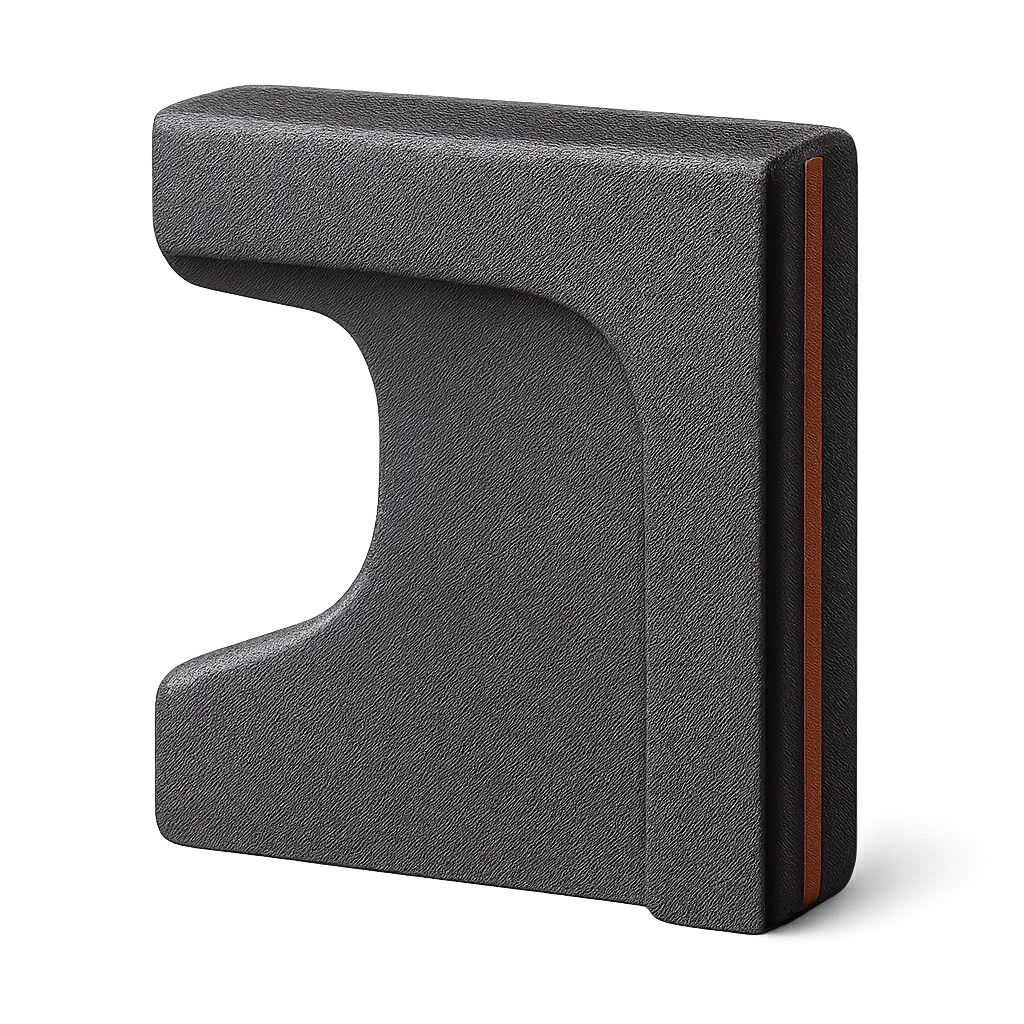
Powder Coating
A durable, baked-on finish. Ideal for modern environments demanding low maintenance. Resists chipping, but requires professional intervention if the surface is ever compromised.
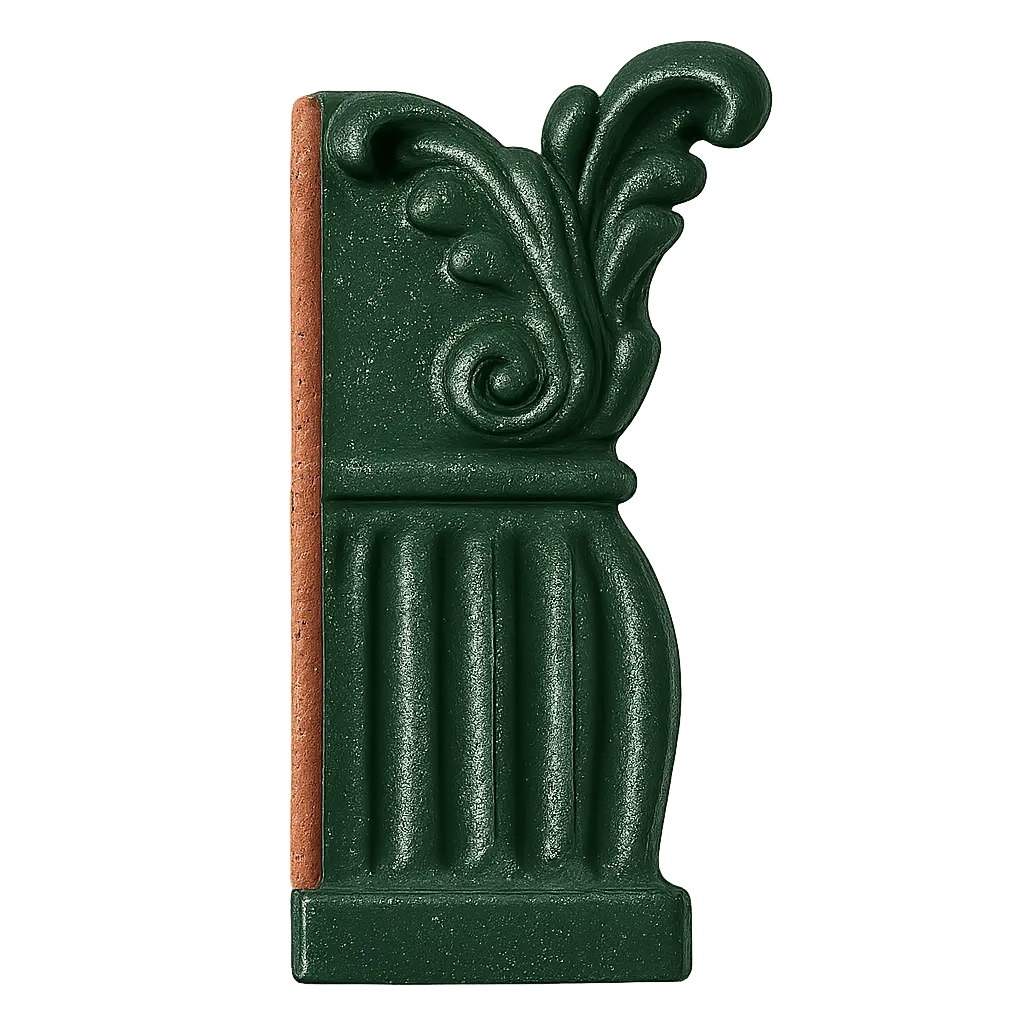
Traditional Paint
The heritage standard. Allows for subtle aging and easy spot repairs over decades. Requires periodic attention to maintain a pristine, unbroken surface against the elements.
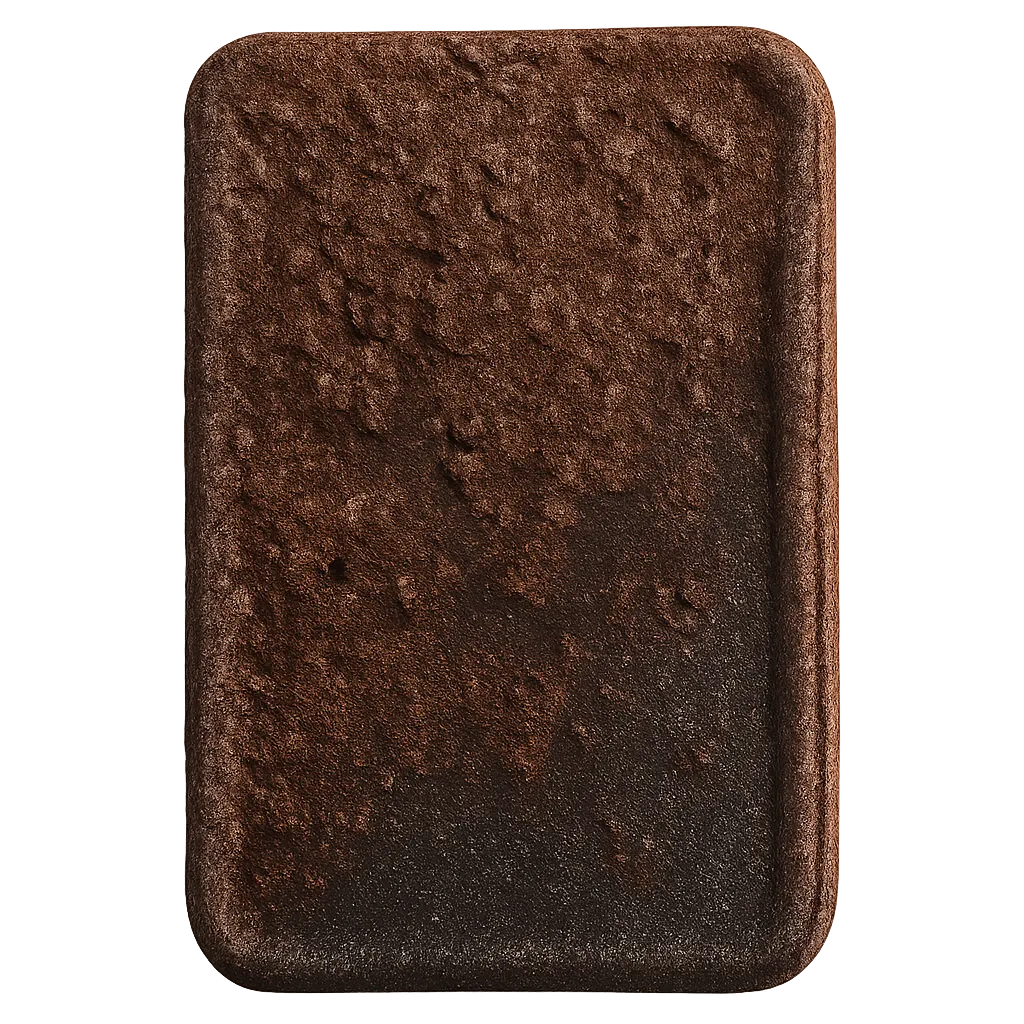
Deliberate Rust
Raw cast iron left exposed. Develops a self-protecting patina and rich, earthy character over time. Perfect for historic garden settings where age is considered an asset.
WHITE-GLOVE DELIVERY
Heavy,
And Brittle
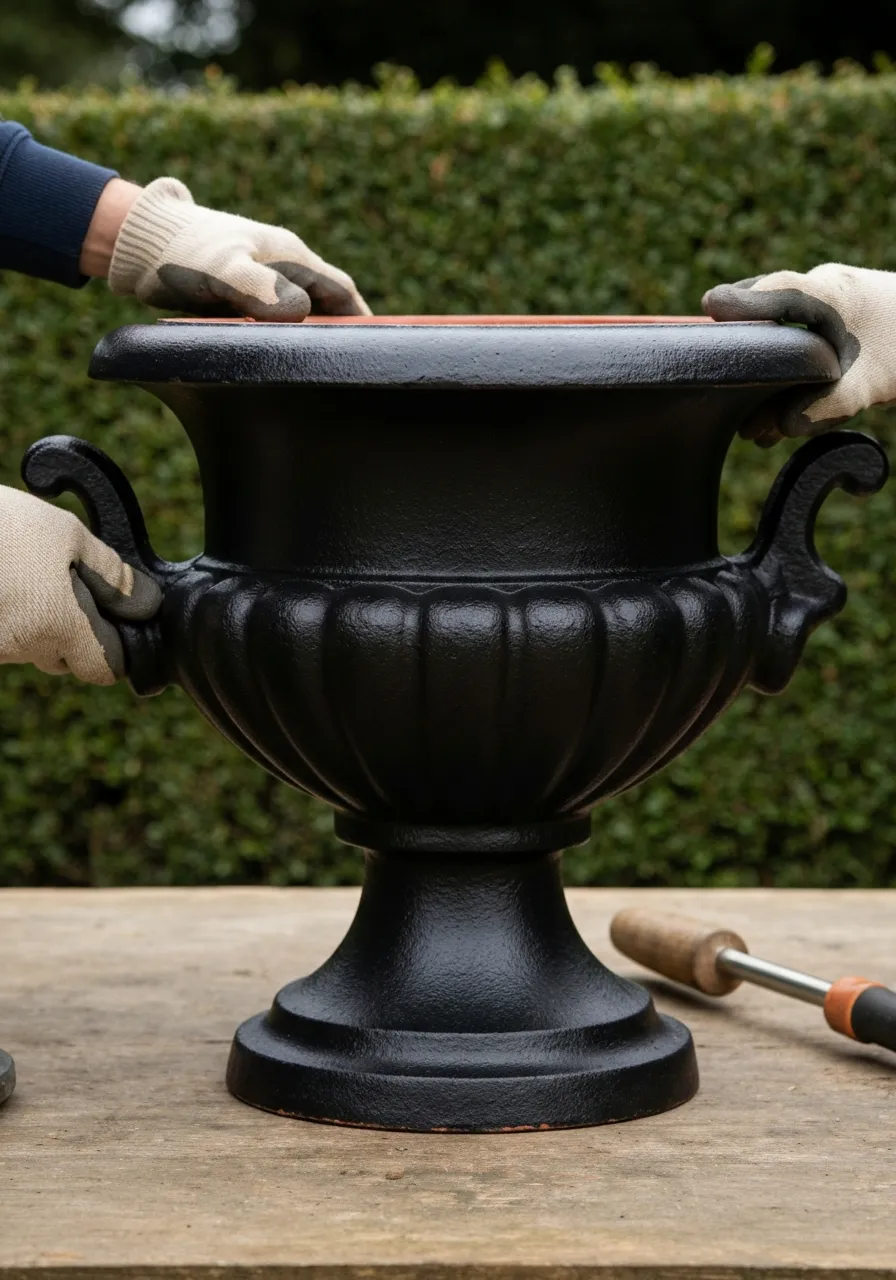
Cast iron possesses immense, unyielding mass—yet its rigid nature makes it surprisingly vulnerable to impact fractures during transit. We do not leave this to chance. Every piece is meticulously transported and handled via our white-glove delivery service, then expertly leveled on-site. Proper structural footings ensure the weight is distributed evenly, protecting your investment and preventing stress cracks for generations to come.
OWNERSHIP ROUTINE
Inspect, Touch Up,
Repaint
01
FRESH WATER RINSING
Florida’s salt-heavy humidity requires a weekly fresh-water rinse to prevent mineral buildup on the iron’s surface. A simple hose-down stops corrosive elements before they take root.
02
INSPECT SEAMS & LOW POINTS
Examine the base, handles, and mold seams where moisture naturally collects. Early attention to these high-risk areas prevents irreversible pitting and maintains structural integrity.
03
SAND & TOUCH UP CHIPS
At the first sign of a chip or oxidation, lightly sand the affected area to bare metal. Apply a rust-inhibiting enamel immediately to seal the iron against the elements.
EXPERIENCE THE WEIGHT
Casting Detail
Only Reads in Person
The crispness of mold lines and the dense physical weight of true Victorian cast iron cannot be judged from a photograph. Visit our Boynton Beach garden center to experience the definitive difference in person.
Before You Buy
Questions, Answered
Rust, siting, finishes, and upkeep — the honest realities of iron in South Florida.
Not necessarily, but Florida conditions should be considered carefully. Humidity, rain, irrigation, and salt exposure can affect iron and its finish over time. The right placement and care requirements depend on the specific piece and location, so coastal and other highly exposed settings should be evaluated individually before selecting cast iron.
Repeated moisture and environmental exposure can contribute to changes in the finish and corrosion over time. Irrigation spray, standing moisture, salt exposure, and direct contact with consistently wet surfaces are all factors worth considering when choosing a location. Because site conditions vary, we recommend evaluating the placement of the individual piece rather than applying one rule to every installation.
There is no fixed repainting schedule for every cast iron piece. The finish can be affected by sun, rain, humidity, salt exposure, irrigation, and the specific location. Periodic inspection can help identify changes in the finish, but care and refinishing should be based on the condition of the individual piece and any applicable manufacturer or vendor recommendations.
Cast iron can continue to change as corrosion develops, and that process may affect surface detail, finish, and surrounding materials. Some customers appreciate a naturally weathered appearance, but it is important to understand that uncontrolled rust is not simply a decorative finish. If that look is part of your design plan, ask us about the specific piece and what to expect as it weathers.
Cast iron and bronze have different appearances, finishes, costs, and weathering characteristics. Iron typically requires attention to its protective finish, while bronze commonly develops patina as it ages. Neither material should be treated as universally appropriate for every location, especially in coastal settings where metal-containing pieces may require additional consideration. We can help compare the available options based on the specific piece and project.
Both can create very different looks. Black tends to read more formal and architectural, while dark green can blend more naturally into garden settings. Available finishes vary by piece and vendor, and finishes can also change in appearance over time with weather and exposure. Our team can show you current options and help you choose a finish that works with the surrounding space.
We do not recommend making a blanket planting recommendation for cast iron urns. Moisture, soil, drainage, the interior finish, and the construction of the specific piece can all affect how it performs over time. If you are considering using an iron urn as a planter, let us know and we can review the individual piece and any applicable vendor guidance with you.