TWO TRADITIONS, ONE MATERIAL
Concrete That Reads
Modern or Classical
An enduring material of substantial weight, designed to gather patina and deepen in character as the years pass.
The Evolution Of Material
It Is Meant
To Change
When a concrete piece arrives at your estate, it is merely the beginning of its life. Unlike glazed ceramics which remain permanently static, cast stone is a living material designed to interact with its environment.
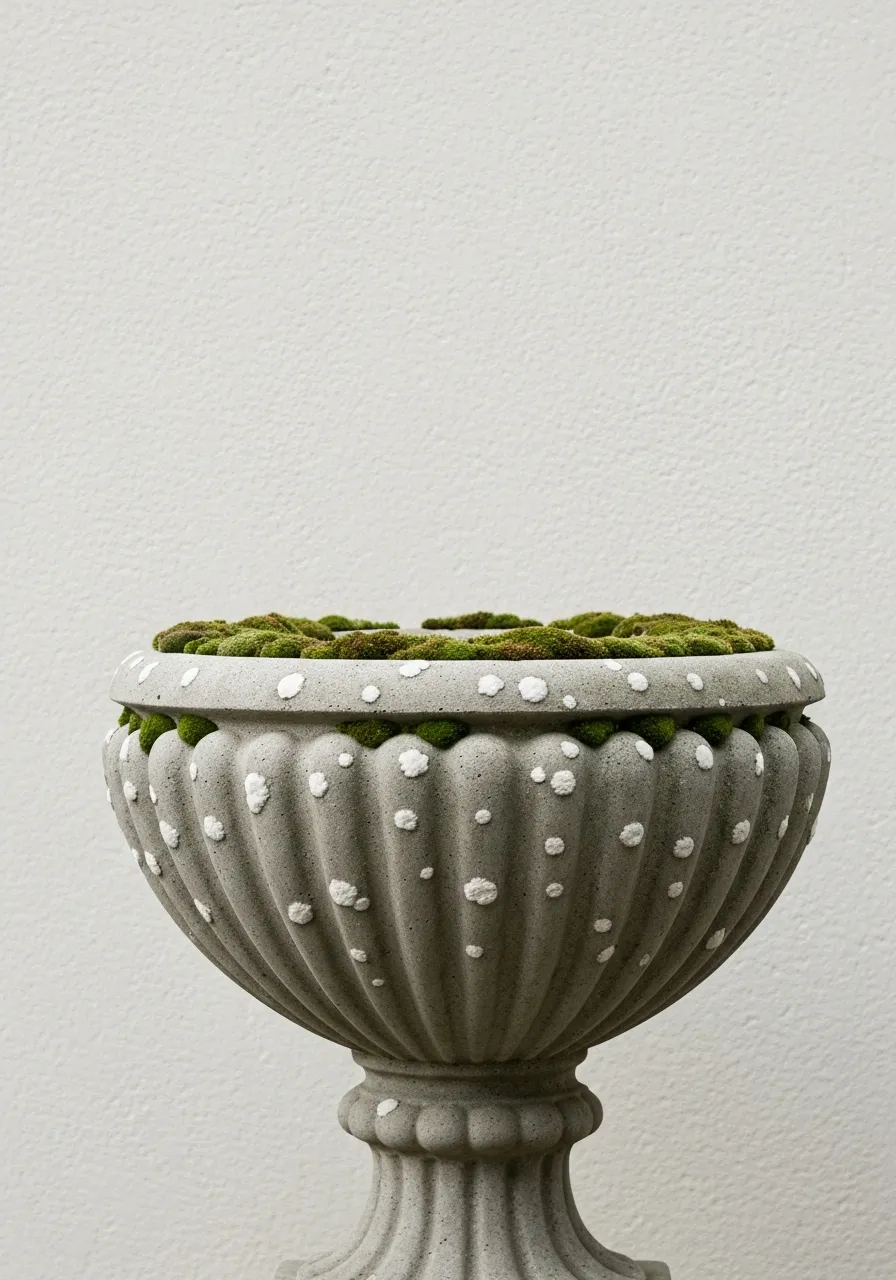
Over seasons, the porous surface welcomes the elements. Rain and sun coax out a natural patina, while shaded gardens invite subtle moss accumulation and delicate mineral blooms.
This metamorphosis is not a flaw to be cleaned, but a badge of authenticity. It is how a newly cast piece becomes an heirloom—gathering character, depth, and the undeniable presence of time.
Geometry,
Unadorned
Smooth Cast. Sandblasted. Board-Form.
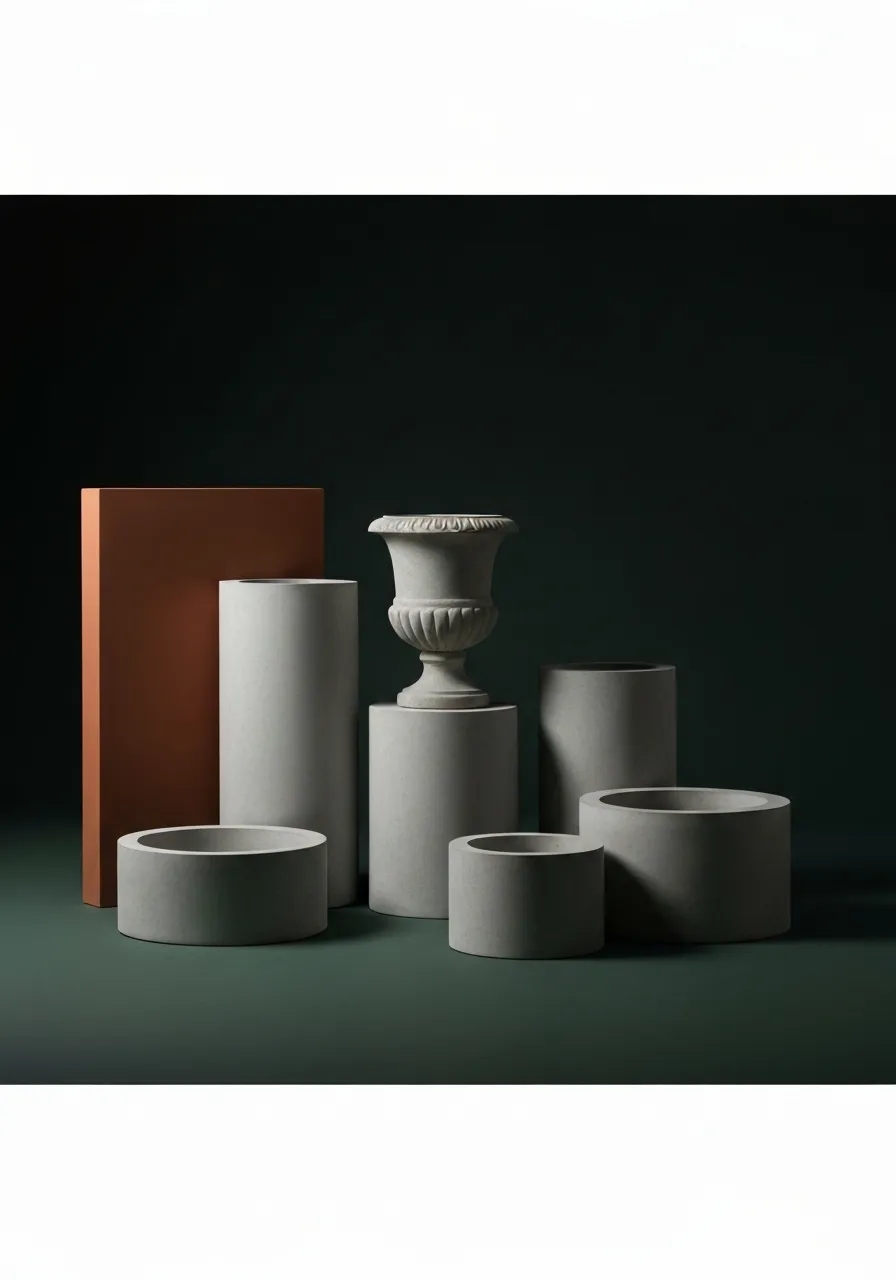
Explore minimalist cylinders, precise cubes, and linear troughs tailored for the modern Florida estate. Stripped of excess, these vessels rely entirely on the honesty of their finish and the exactness of their 90-degree edges to command a space.
CLASSICAL ARCHITECTURE
Urns, Pedestals,
And Estate Form
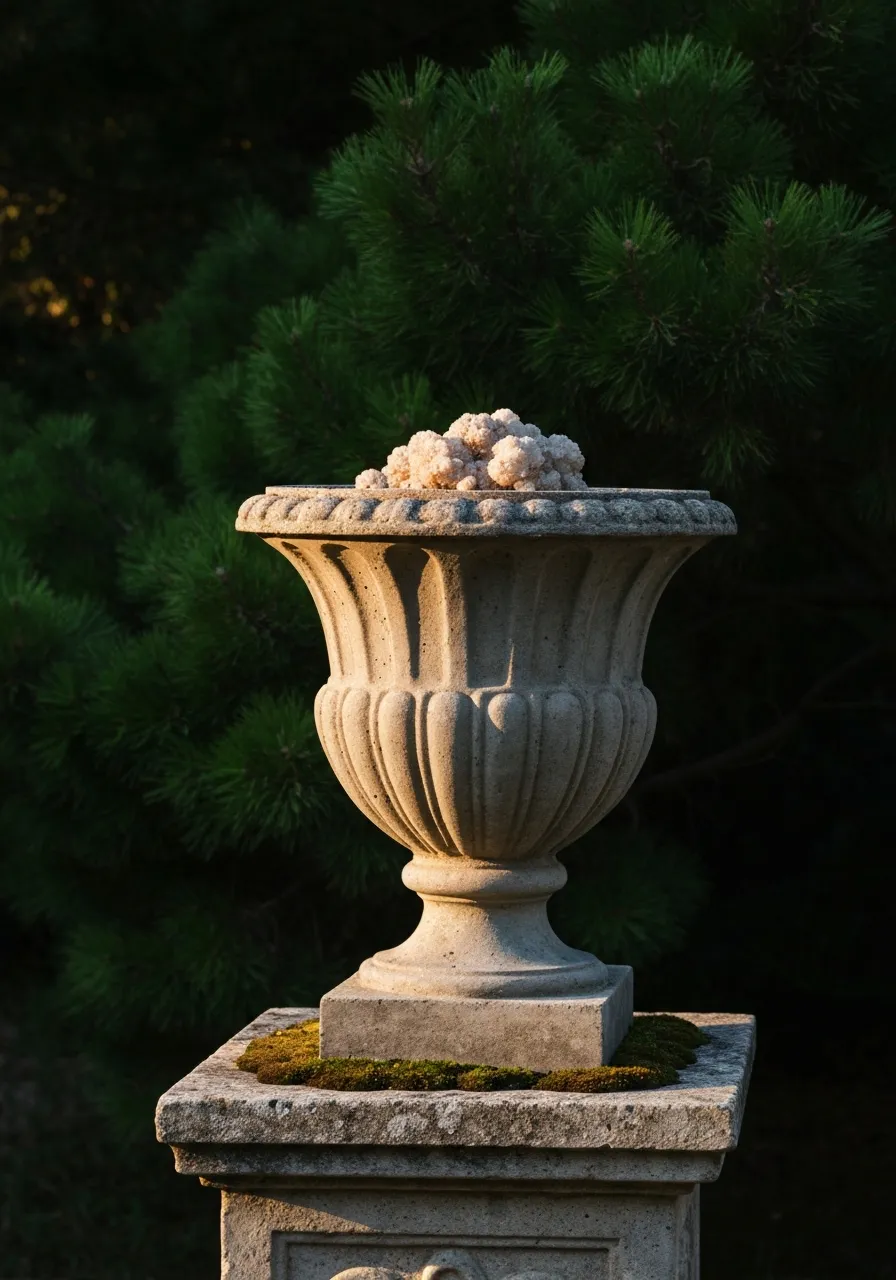
Our hand-cast concrete pieces bring a sense of timeless authority to classical gardens. As time passes, natural weathering softens the rigid edges of fluted bowls and architectural balustrades, yielding an authentic patina that grounds a space in history.
Perfectly Suited For
Mediterranean and Spanish Colonial landscapes, where the raw weight and textured surfaces of aged concrete integrate seamlessly with stucco walls and heritage flora.
ENGINEERING & PERMANENCE
Mass Is
The Point
Our monumental concrete vessels provide the extreme weight required to anchor tall, exposed specimens against the unrelenting winds of the Florida coast. They do not tip, shift, or compromise—serving as enduring foundations for generations.
FINISHES
A Palette Built
For Florida Light
Concrete's matte, honest finish pairs better with local coral stone and travertine than high-gloss alternatives.
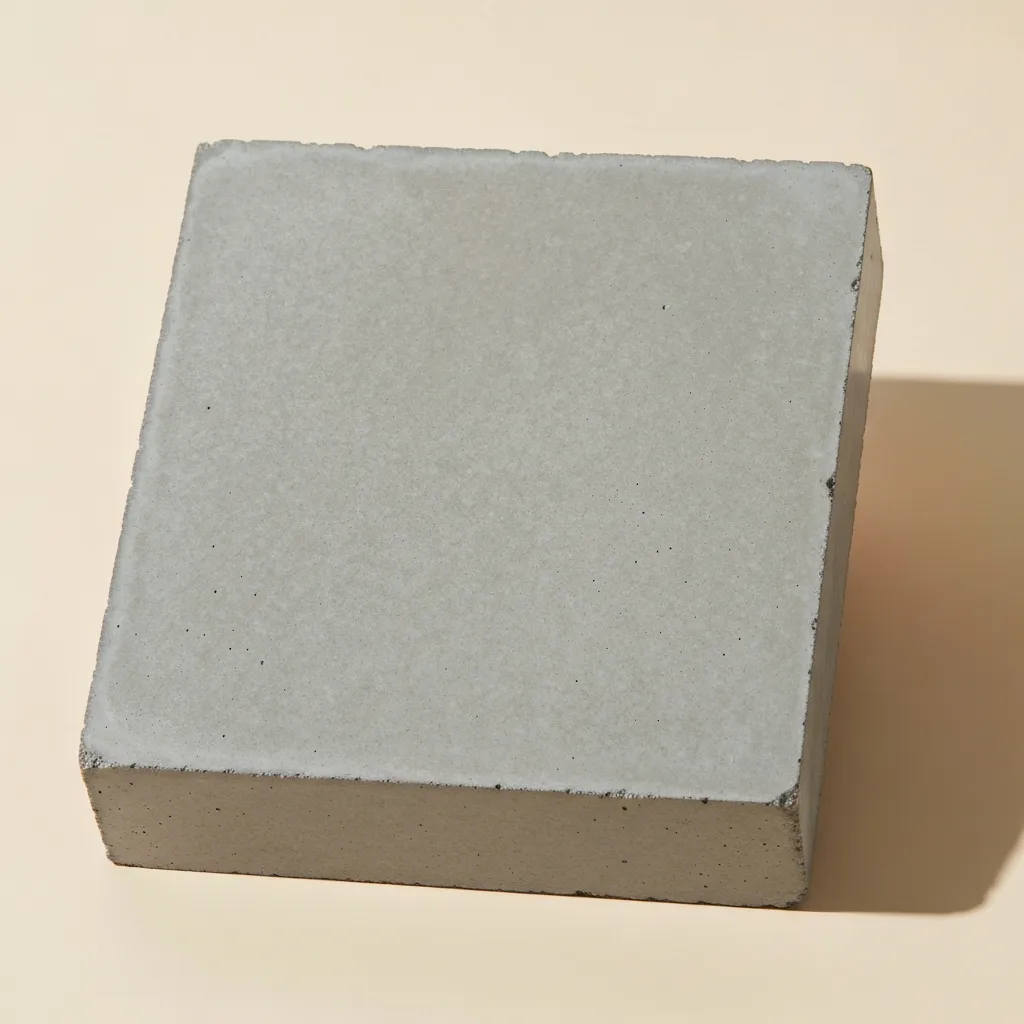
GREY
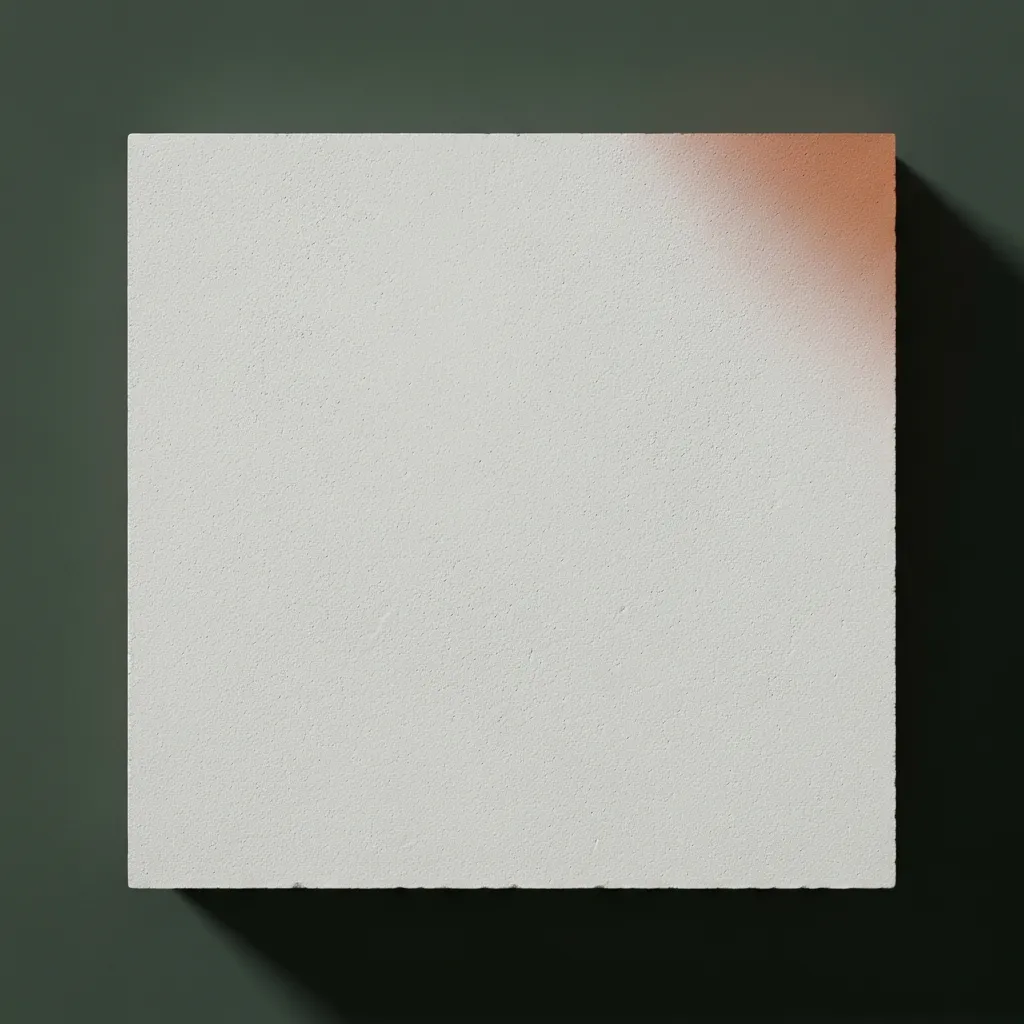
LIMESTONE
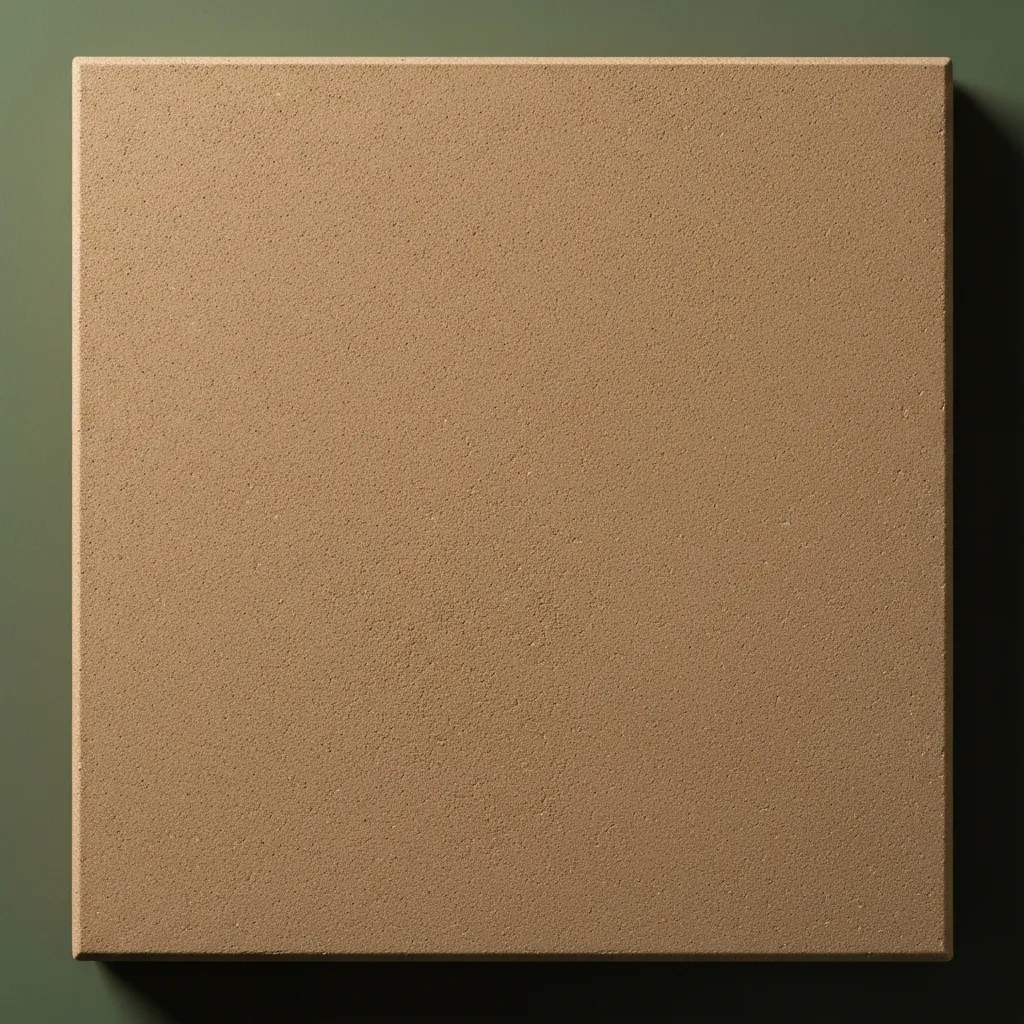
BUFF
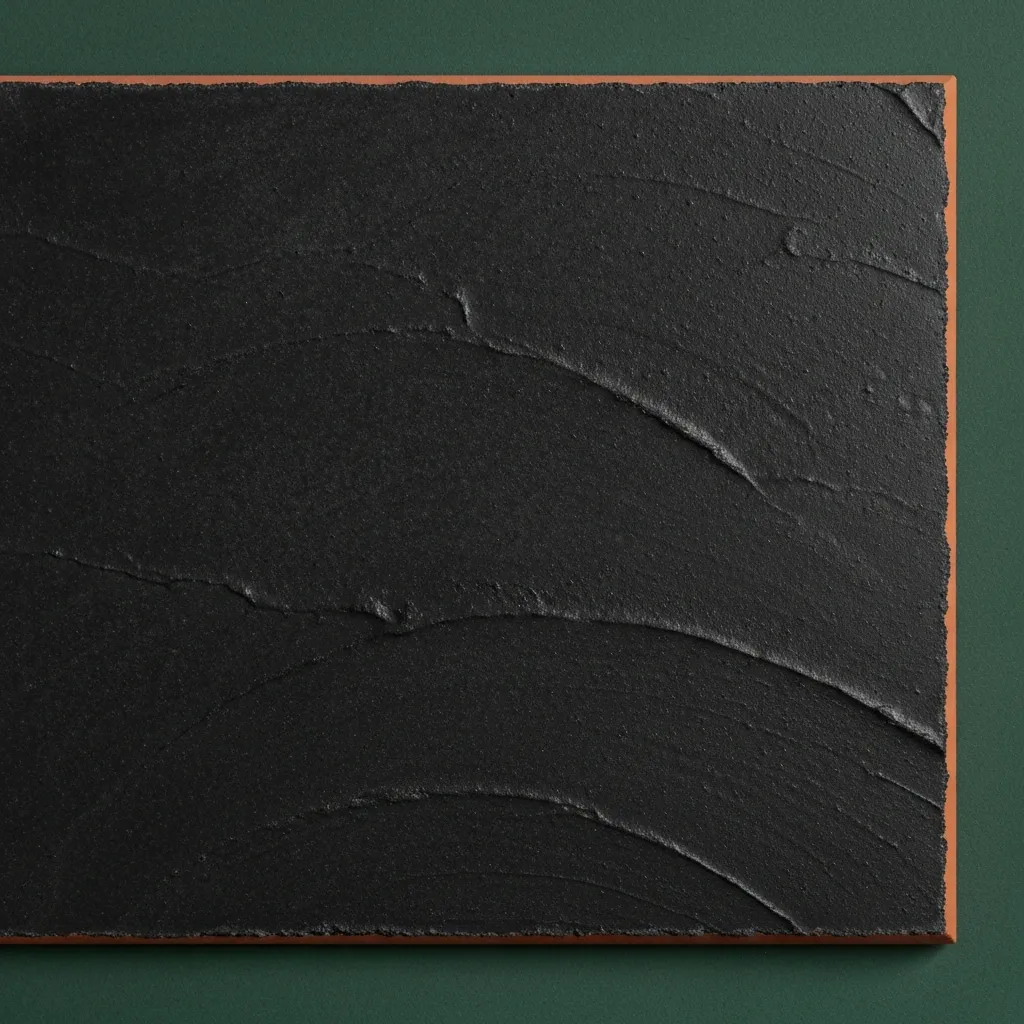
CHARCOAL
Material Truths
What Concrete
Actually Does
A living material responds to its environment. We do not view these natural progressions as defects, but as the authentic signature of architectural concrete settling into its landscape.
Mineral Bloom
Efflorescence
As concrete cures and breathes, natural salts are drawn to the surface, appearing as a chalky white bloom. This is not a flaw, but a fundamental characteristic of high-density cast stone interacting with atmospheric moisture.
Natural Patina
Moss & Algae
In heavily shaded or damp garden placements, unsealed concrete will naturally host organic growth. We embrace this classical weathering process, allowing the piece to visually anchor itself into the surrounding landscape over time.
Graceful Aging
Softening Edges
While our pieces leave the studio with crisp, 90-degree lines, decades of exposure to wind, rain, and use will micro-abrade the sharpest corners. This gentle erosion reveals the aggregate beneath and tells the story of the garden.
Material Honesty
Care Is
Mostly Patience
Our cast stone requires virtually no intervention. Its immense mass provides unyielding stability against Florida’s extreme winds, anchoring even the tallest exposed specimens. When maintenance is desired, use only soft brushes and clean water—never acidic cleaners that strip the natural, moss-aged patina. True concrete only grows more dignified with time.
MATERIAL PRESENCE
Weight Only Reads
In Person
True material presence cannot be captured through a screen. Come feel the undeniable density, texture, and lasting mass of our concrete estate pieces.
Before You Buy
Questions, Answered
Patina, weight, surface variation, and care — a few things to know about concrete and cast-stone pottery over time.
A white or chalky surface haze can be efflorescence, which is common in concrete and cast-stone products as naturally occurring mineral salts migrate to the surface. Its appearance can vary from piece to piece and may lessen with weathering over time. Gentle dry brushing may help remove loose surface residue. If you're unsure whether what you're seeing is normal surface variation or something else, send us a photo or bring it to our attention and we'll be happy to take a look.
Concrete and cast-stone pieces can develop surface variation, fine lines, chips, or cracks depending on age, curing, impact, moisture, placement, drainage, and site conditions. A level, properly supported surface is especially important for larger and heavier pieces. Because every installation is different, unusual locations or oversized pieces should be evaluated individually rather than relying on a blanket rule about cracking or durability.
Natural variation is part of the character of cast concrete and cast stone. Differences in materials, curing, finishing, weathering, and production batches can create subtle changes in tone and texture. If you're purchasing a pair or grouping, let us know and we'll help you select pieces that coordinate as closely as possible from the inventory available.
That depends on the piece, finish, intended appearance, and location. Some customers prefer the natural weathering and patina that can develop over time, while others prefer a more protected appearance. Sealers can also vary considerably by product and surface. Before applying anything, we recommend following the manufacturer's guidance for the specific piece or speaking with our team about the finish you purchased.
Gentle cleaning is usually the best place to start. Water and a soft brush can be appropriate for routine surface dirt and buildup. Aggressive pressure washing, harsh chemicals, and acidic cleaners can affect some concrete or cast-stone finishes, so we recommend avoiding them unless the manufacturer specifically approves their use. If you're dealing with a difficult stain or an older piece, ask us before using a stronger cleaning method.
They offer very different looks and characteristics. Concrete and cast stone are often chosen for substantial scale, traditional forms, natural texture, and the way they can develop character outdoors over time. Glazed ceramic is often selected for color, sheen, and decorative impact. The better choice depends on the location, desired appearance, exposure, size, and overall design of the space, and our team can help you compare the options.
Concrete and cast-stone pieces can be extremely heavy, particularly once planted, so elevated installations require additional consideration. Floral Acres does not provide structural engineering, load calculations, or structural-capacity certifications. Customers should consult the building owner, association, architect, engineer, or another appropriately qualified professional whenever structural capacity is a concern. Access, placement, weight, and site conditions should also be reviewed individually before selecting or delivering a piece.