
THREE THOUSAND YEARS
Bronze and Marble,
Collected Not Decorated
Experience the tactile permanence of bronze and the singular vulnerability of marble, curated for gardens of distinction.
TWO MATERIALS, TWO NATURES
One Is Cast,
One Is Carved
Bronze is born of fire and liquid, poured into form to withstand millennia. It is a material of calculated permanence, designed to endure the harshest elements without yielding. It is an art of addition, layered and cast into an unyielding shell.
Marble, conversely, is an art of subtraction—a singular block coaxed into vulnerability by the chisel. Once carved, it remains inherently fragile, a delicate crystallization of stone that demands reverence, deliberate placement, and protection. One stands against the world; the other asks the world to tread lightly.
BRONZE: THE PROCESS
Lost Wax,
Poured Metal
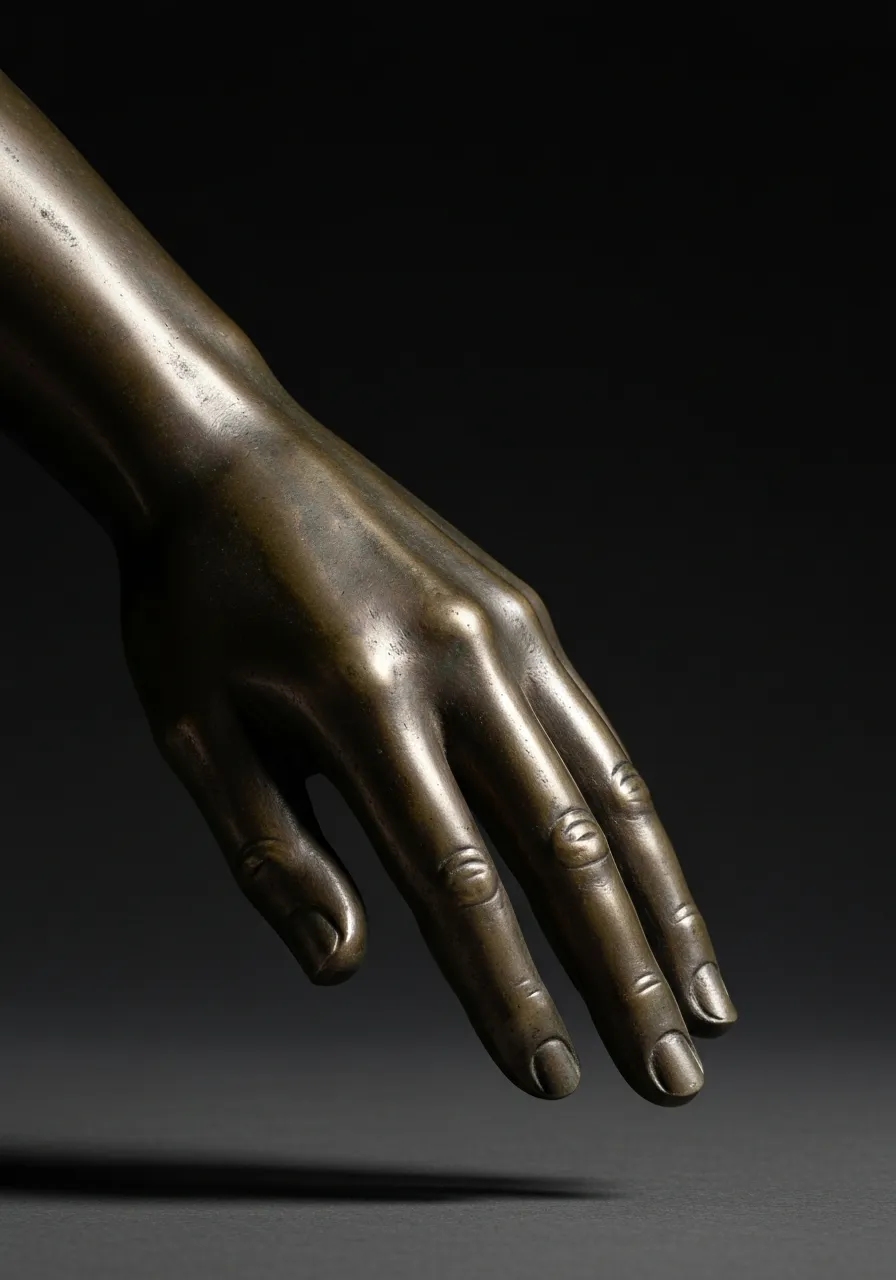
Every bronze piece begins as a sculpted wax model, captured within a ceramic shell. As the shell is fired, the wax melts away, leaving a flawless negative space ready to receive molten metal at over two thousand degrees.
Once cast, the raw bronze is meticulously chased by hand to remove imperfections. Finally, chemical patinas are applied with heat, ensuring no two sculptures ever possess the exact same finish.
BRONZE: WHAT TIME DOES
The Patina
Keeps Working
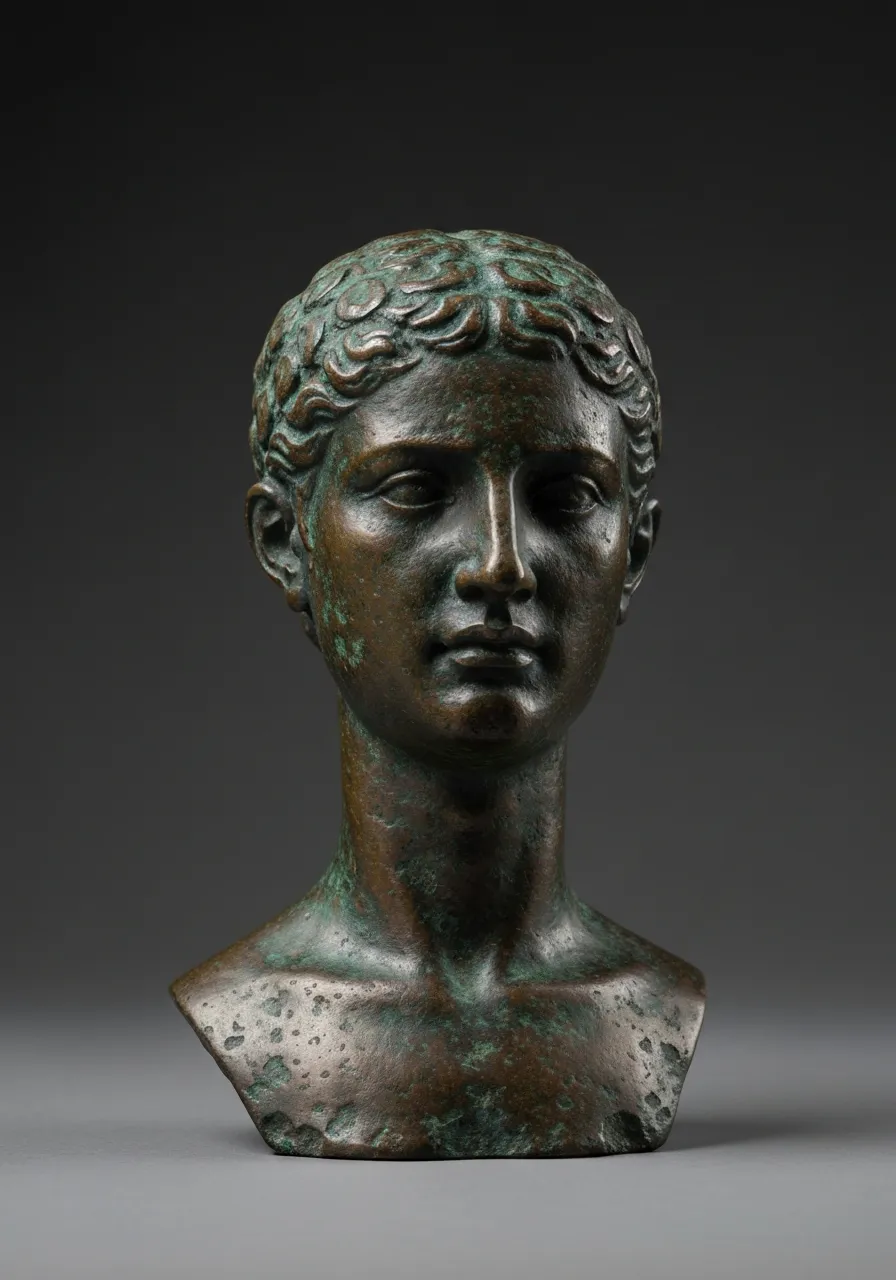
Bronze is not a static material. When subjected to the Florida coast’s salt air, intense humidity, and driving rains, it engages in a natural dialogue with the elements. The resulting patina—a tapestry of verdigris greens and oxidized browns—is not a sign of decay, but of endurance.
This chemical hardening process effectively seals the statuary against further corrosion, making our bronze pieces an exceptionally honest, permanent choice for exposed coastal environments.
MARBLE: THE PROCESS
Removed From
A Single Block
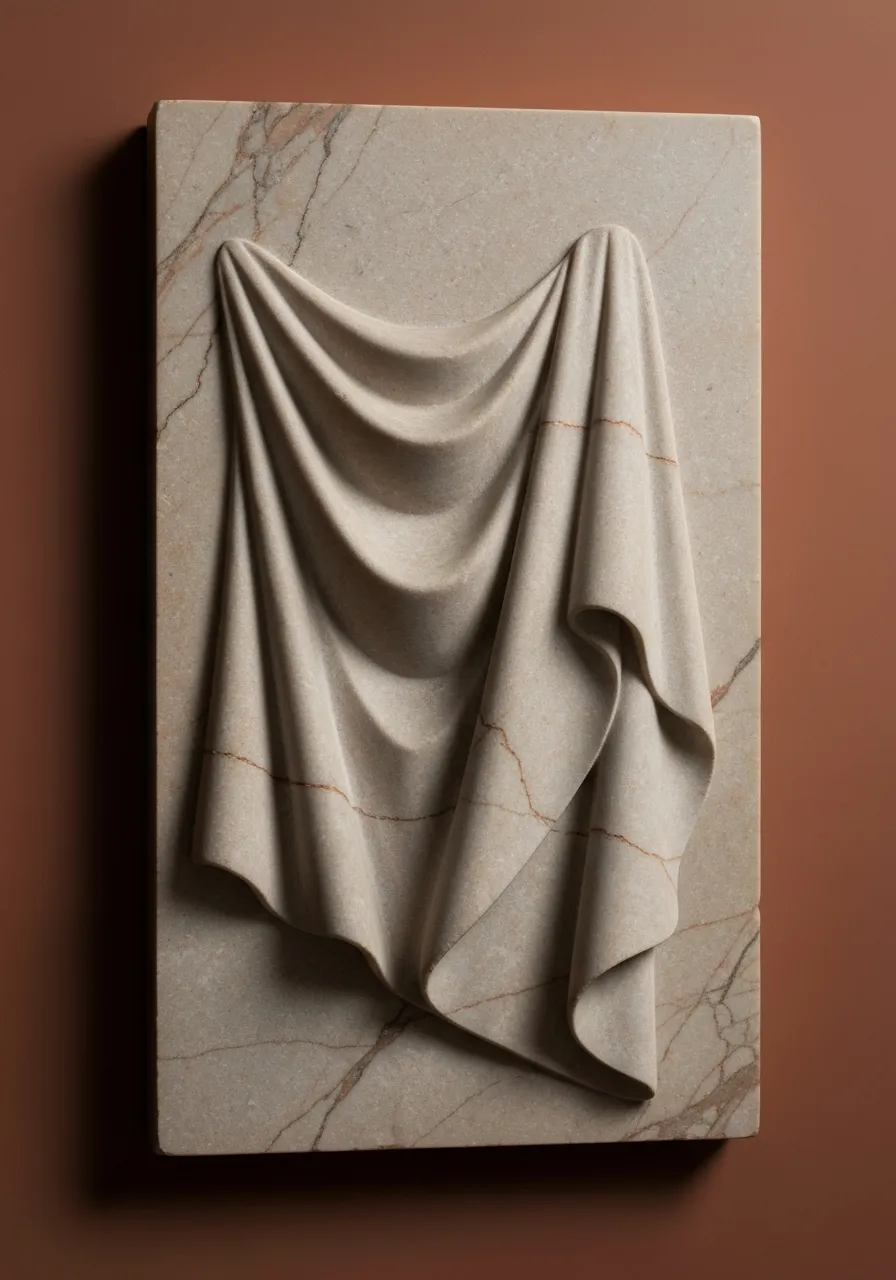
Unlike bronze, which is a medium of addition and replication, marble demands a ruthless precision. It is the art of removal. Every strike of the chisel against the raw stone is absolute, permanently severing material from form.
This singularity ensures that no two pieces can ever be identical. The master sculptor works in concert with the intrinsic veining and natural fault lines of the block, coaxing the illusion of soft, crisp drapery and supple flesh from an unforgiving medium. What remains is a testament to unyielding permanence.
MARBLE: PROTECTING VULNERABILITY
Shelter It,
Then Enjoy It
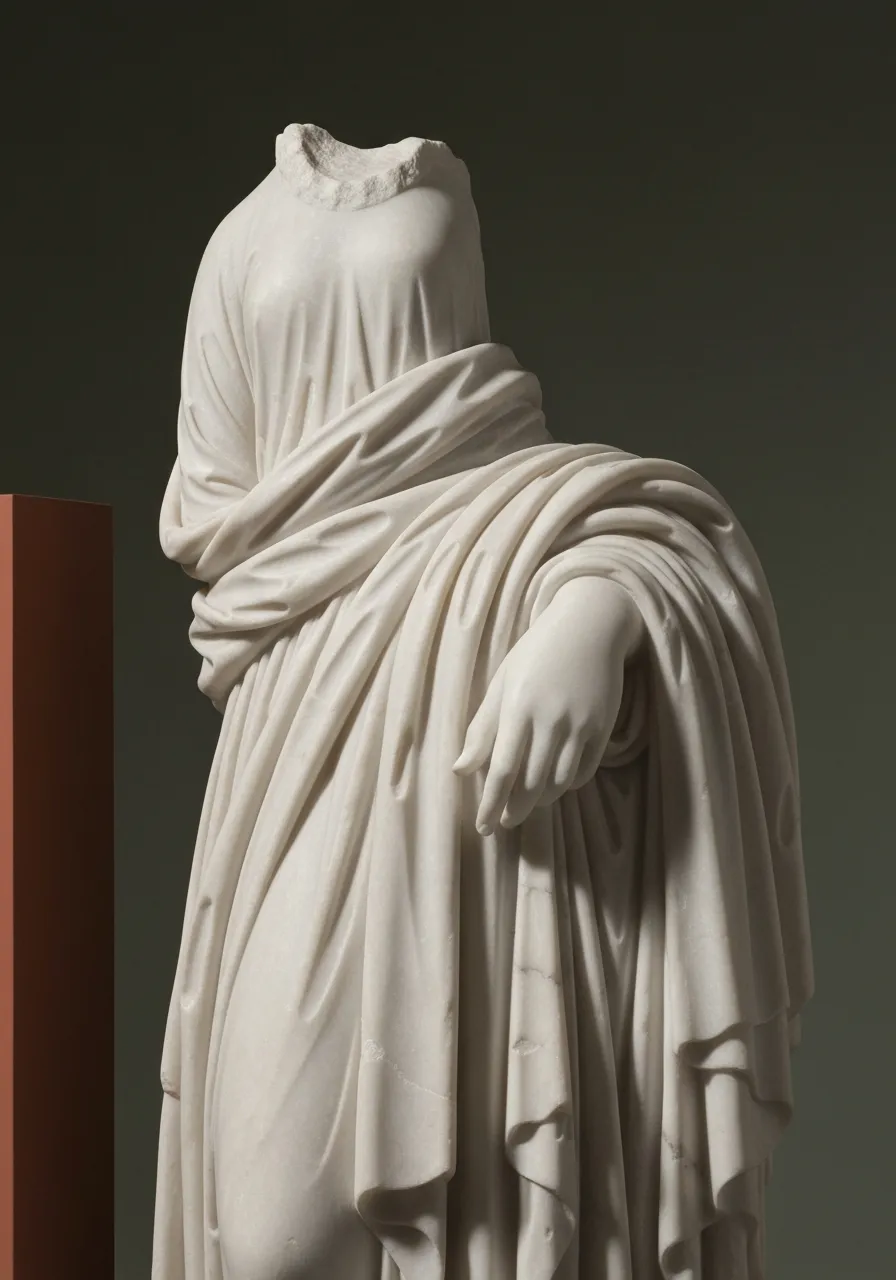
Marble possesses a singular vulnerability to the elements. Unlike bronze, which thrives and patinates under open skies, marble's porous, crystalline structure is susceptible to acidic rain, particulate pollution, and harsh coastal winds. When exposed directly to harsh elements, the intricate details that make these works extraordinary can gently erode over decades.
We transparently recommend placing marble statuary in sheltered loggias, covered courtyards, or protected alcoves. In these carefully chosen environments, the sculpture remains sheltered from direct rainfall while still engaging beautifully with natural ambient light. This mindful placement ensures your piece remains a pristine focal point for generations to come.
SITING & PEDESTALS
Height, Sightline,
And Base
A well-placed statue commands its environment. Position your statuary at the terminus of a garden path or framed by natural archways to create a definitive focal point. The sightline should draw the eye naturally, offering a moment of quiet discovery before the piece is fully revealed.
Equally vital is the foundation. Both bronze and marble require structurally sound, perfectly level pedestals capable of bearing immense weight. A proper base not only protects the sculpture from ground moisture and frost heave but elevates it to the optimal viewing height.
INSTALLATION & MOUNTING
Heavy,
And Meant to Stay
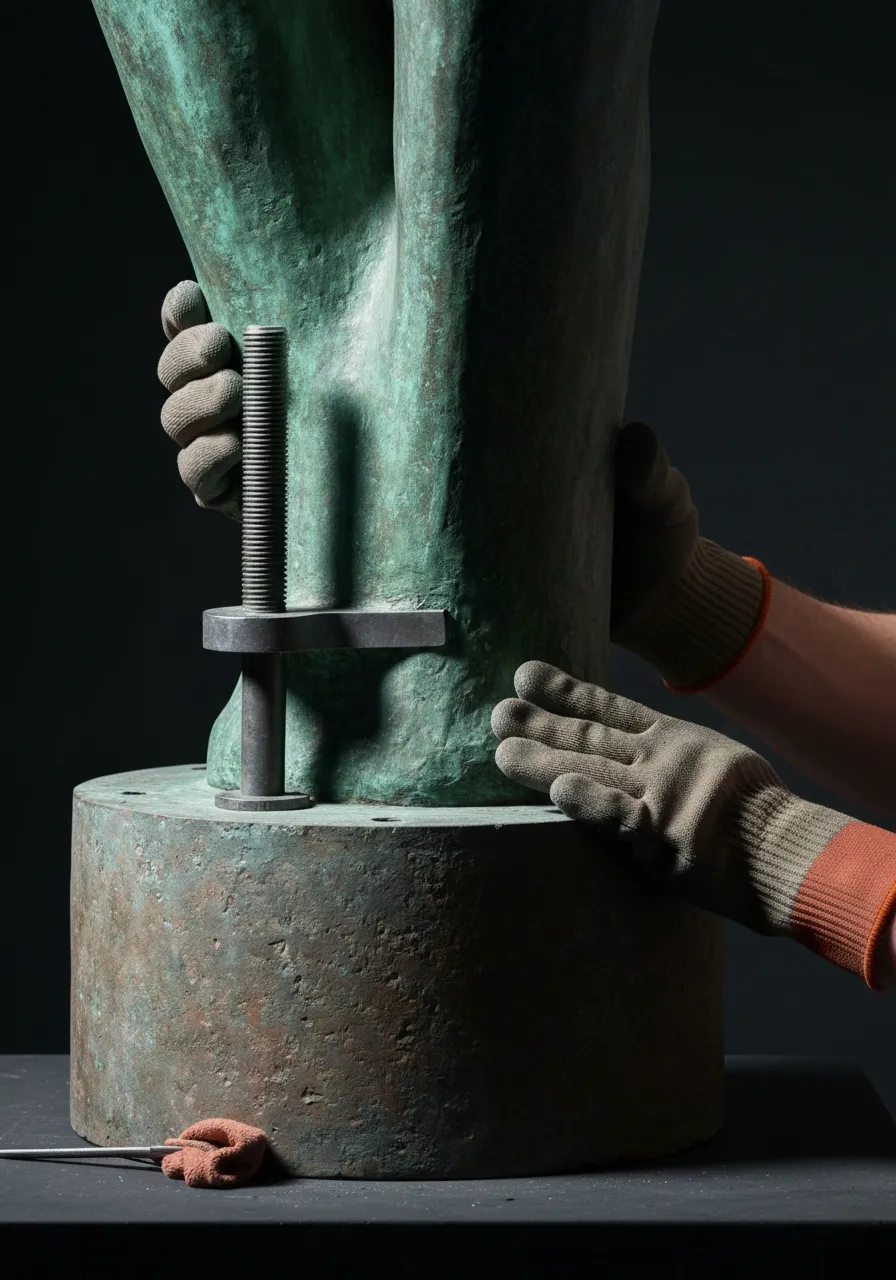
True permanence requires more than gravity. Our statuary is engineered for eternal placement, designed to withstand intense wind shear, ground shifts, and the passage of time without yielding a single inch.
- Security Pinning: Concealed stainless steel mounting rods set deeply into your foundation to prevent movement or theft.
- Wind Protection: Engineered bases calculated against regional wind loads for upright stability in adverse conditions.
- White-Glove Delivery: Professional logistics teams handle transport, uncrating, and precision placement with heavy equipment.
MAINTENANCE
Less Than
You'd Think
Maintaining the permanence of bronze and the delicate surface of marble requires restraint rather than intervention. Rinse occasionally with clean, clear water to remove environmental dust.
For bronze, a periodic application of paste wax protects the patina from the elements. Above all, strictly avoid any acidic or abrasive cleaners on either material to preserve their integrity.
THE FINAL INVITATION
Sculpture Only Reads
In Person
Scale, shadow, and surface require physical presence. We invite you to experience the movement of light across these materials firsthand at our gallery.
Before You Buy
Questions, Answered
Patina, weathering, siting, and care — what bronze and marble each ask of an owner.
Bronze and marble weather differently, and the right choice depends on the specific piece and where it will be placed. Bronze commonly develops surface patina as it is exposed to the elements, while marble can gradually change in appearance with sun, rain, moisture, and environmental exposure. Coastal conditions should be evaluated individually, particularly for pieces containing metal. Tell us about the location and we can help you compare appropriate options.
Not necessarily. Bronze surfaces can change in color and develop patina over time as they are exposed to air, moisture, sunlight, and other environmental conditions. Those changes may include greens, browns, or variations across the surface. Because finishes and pieces vary, we recommend asking about the specific sculpture before using waxes, cleaners, or other treatments.
Placement should be considered individually based on the marble, the design of the piece, and the amount of sun, rain, moisture, wind, and other environmental exposure at the site. Sheltered locations may reduce direct weather exposure, but we do not make blanket guarantees about how a particular piece will weather. Our team can help you review the setting and the specific sculpture before placement.
That depends on the individual sculpture. Some bronze works are produced in editions or from molds, while others may be unique. Hand-applied finishing and patina can also create variation from one piece to another. Marble pieces may likewise vary depending on the stone, carving process, artist, and source. If edition size or uniqueness is important to you, ask us about the specific piece.
Pedestal height depends on the sculpture, surrounding space, viewing distance, sightlines, and the overall composition you want to create. There is no single height that works for every piece. The pedestal, sculpture, base, and installation area should be considered together, and larger or unusually heavy installations may require site measurements and evaluation before placement.
Anchoring and mounting requirements depend on the sculpture, pedestal, weight, location, surface, wind exposure, and other site conditions. We do not make a blanket recommendation that every piece should be secured in the same way or guarantee storm performance. Significant or unusual installations should be evaluated individually, and an appropriately qualified professional may be needed when structural or engineering considerations are involved.
Cleaning and care depend on the material, finish, age, surface condition, and any manufacturer or artist recommendations that apply to the individual piece. Bronze patinas and marble surfaces can both be affected by inappropriate cleaners or aggressive methods. Before using chemicals, abrasives, pressure washing, waxes, or other treatments, we recommend confirming the appropriate care method for the specific piece. Valuable, heavily weathered, or damaged sculptures may warrant professional conservation advice.