SCULPTURE WHERE WEIGHT WON'T ALLOW
Classical Form,
A Fraction of the Load
Bringing the permanence of classical sculpture to balconies, rooftops, and finished floors where stone and bronze simply cannot go.
STRUCTURAL ENGINEERING
The Building
Sets the Limit
Elevated luxury balconies and penthouse terraces carry strict, documented engineering load ratings. Heavy cast stone quickly exceeds these structural limits, posing significant safety and compliance risks. In these demanding, high-altitude placements, our premium composite is not a budget compromise - it is the only structurally sound and safe engineering answer.
Perfected For,
Elevated Spaces
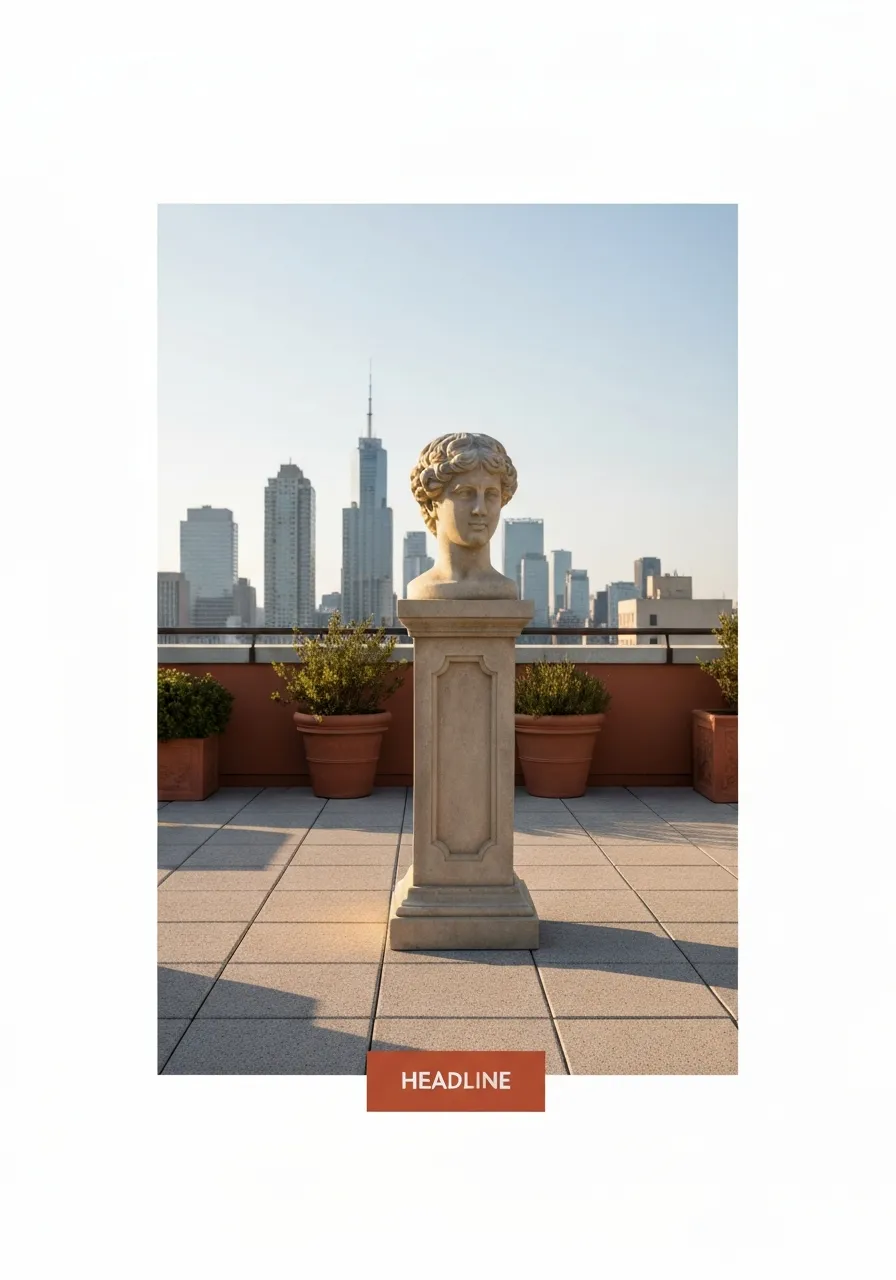
Rooftop & High Terrace
Ideal when freight elevator access is limited or nonexistent. Transport our lightweight pieces via standard access routes effortlessly.
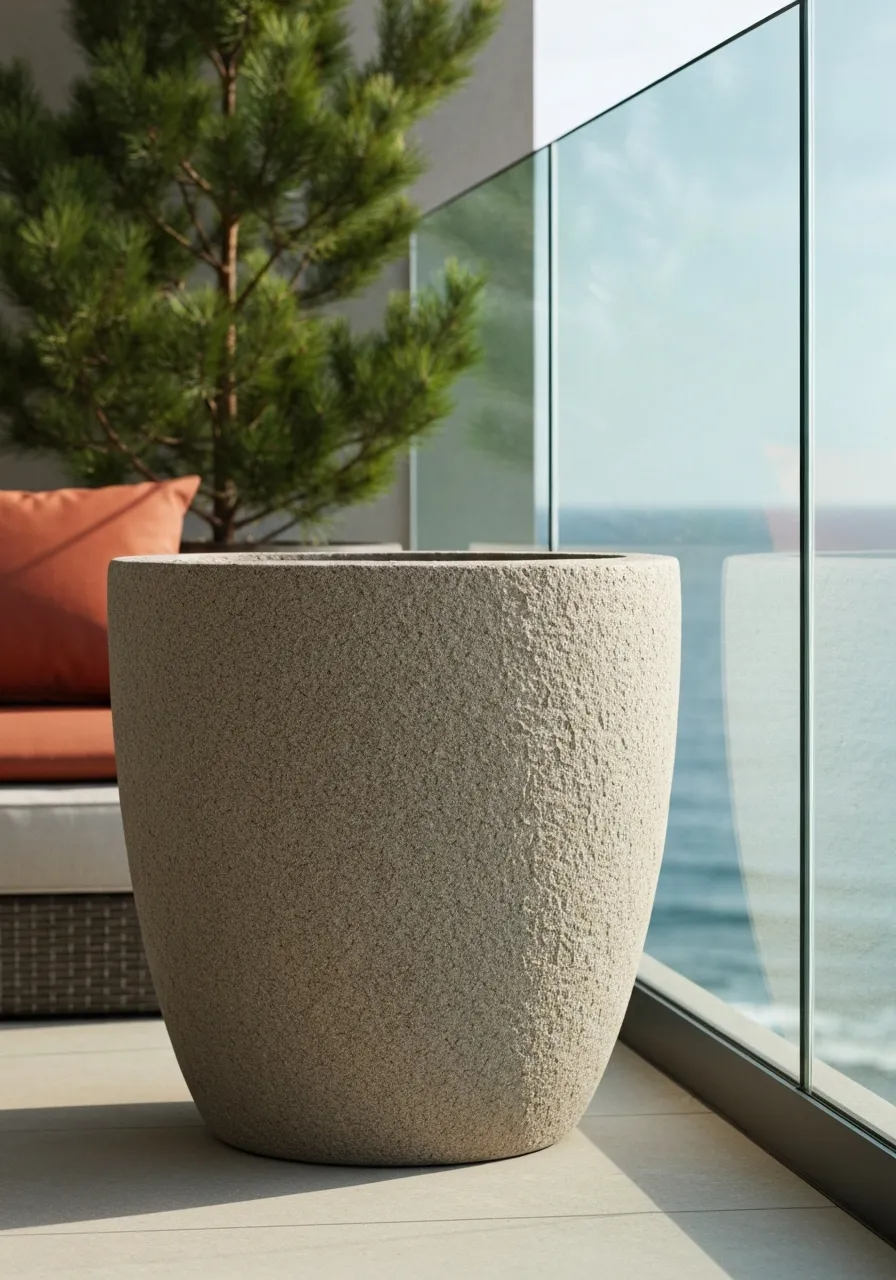
Condo Balcony
Navigate strict building weight caps without compromising on scale. Enjoy monumental focal points that comply with structural limits.
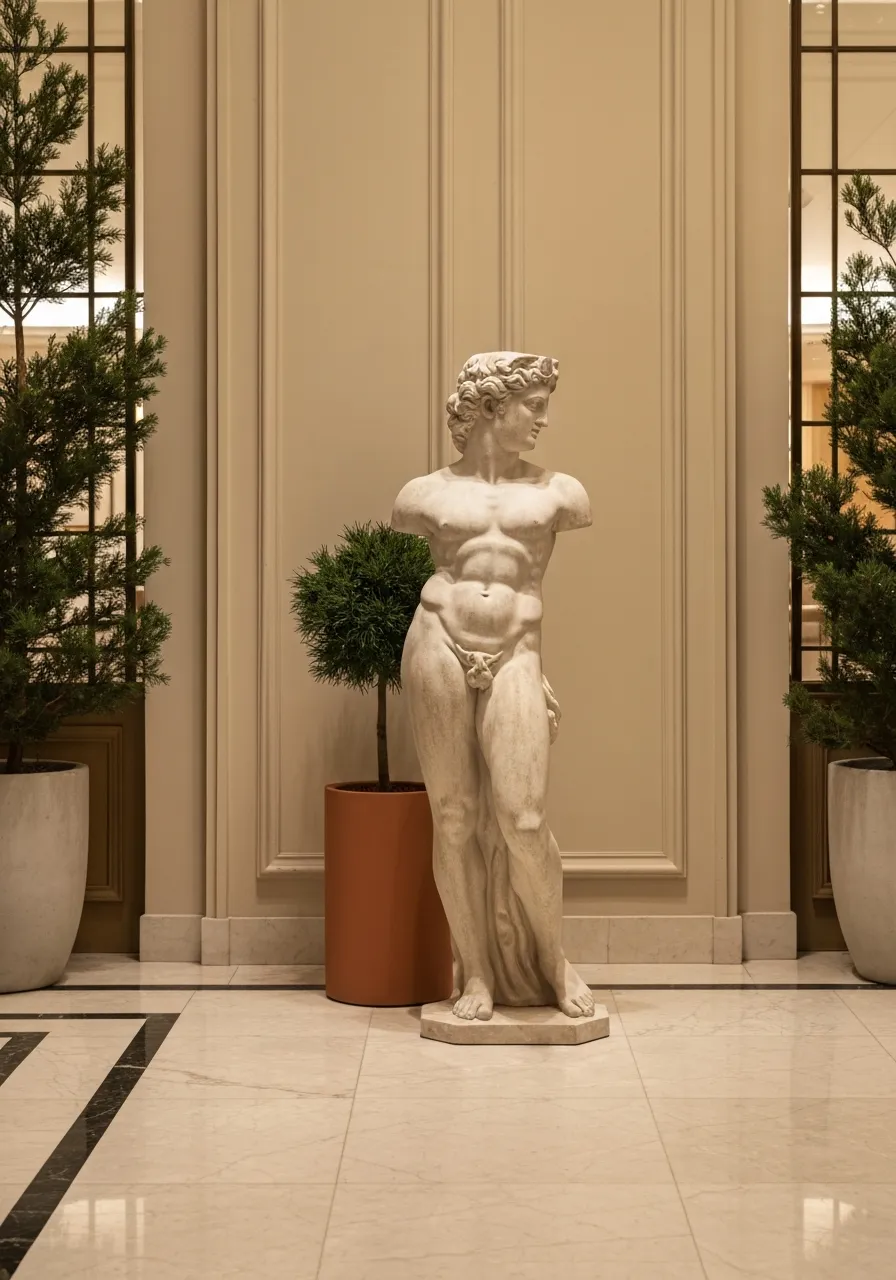
Interiors
Place substantial classical forms safely on delicate hardwood or marble. Zero risk of structural strain or surface damage.
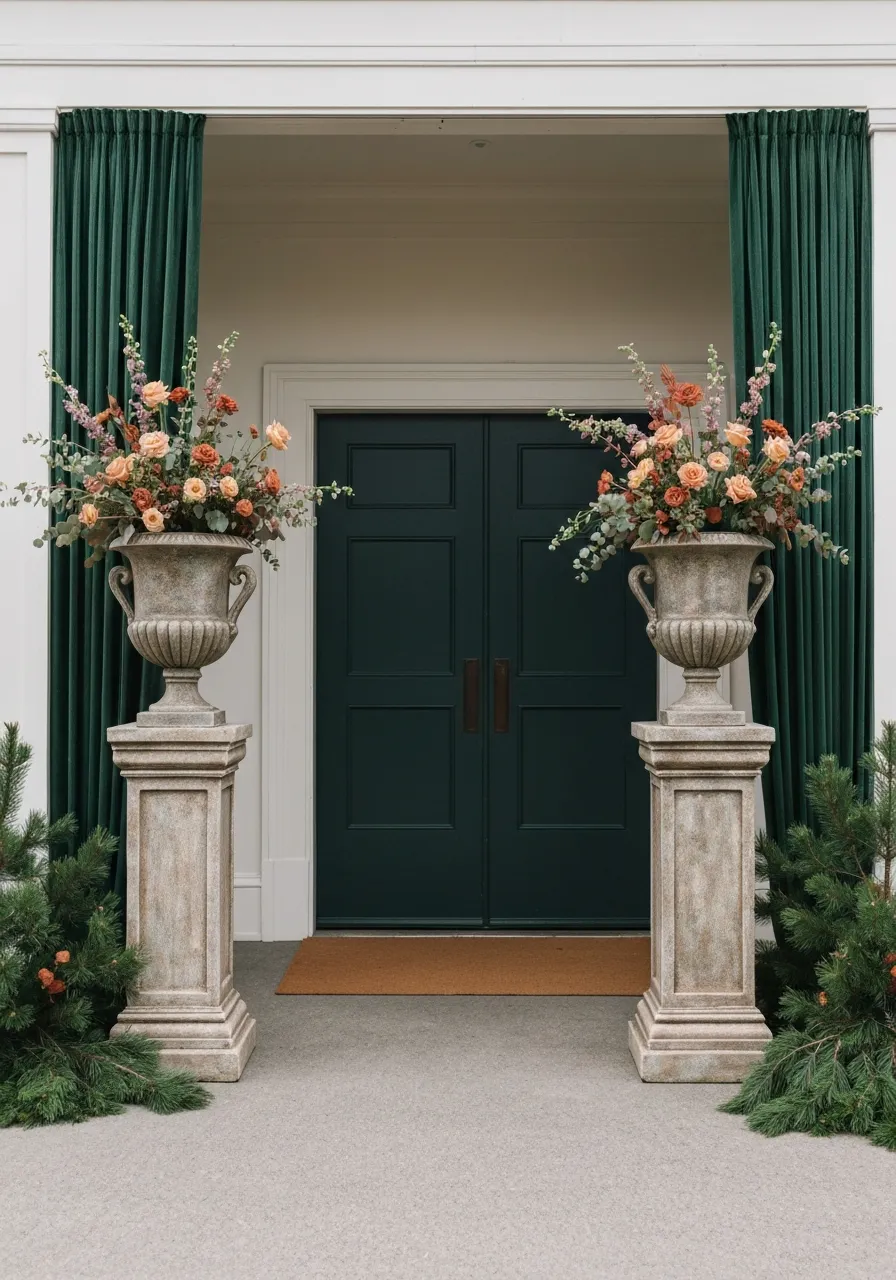
Staging
Designed for frequent repositioning and temporary installations. Achieve a sense of permanence with effortless mobility.
Material Truth
Resin, Fiberglass,
And a Hand Finish
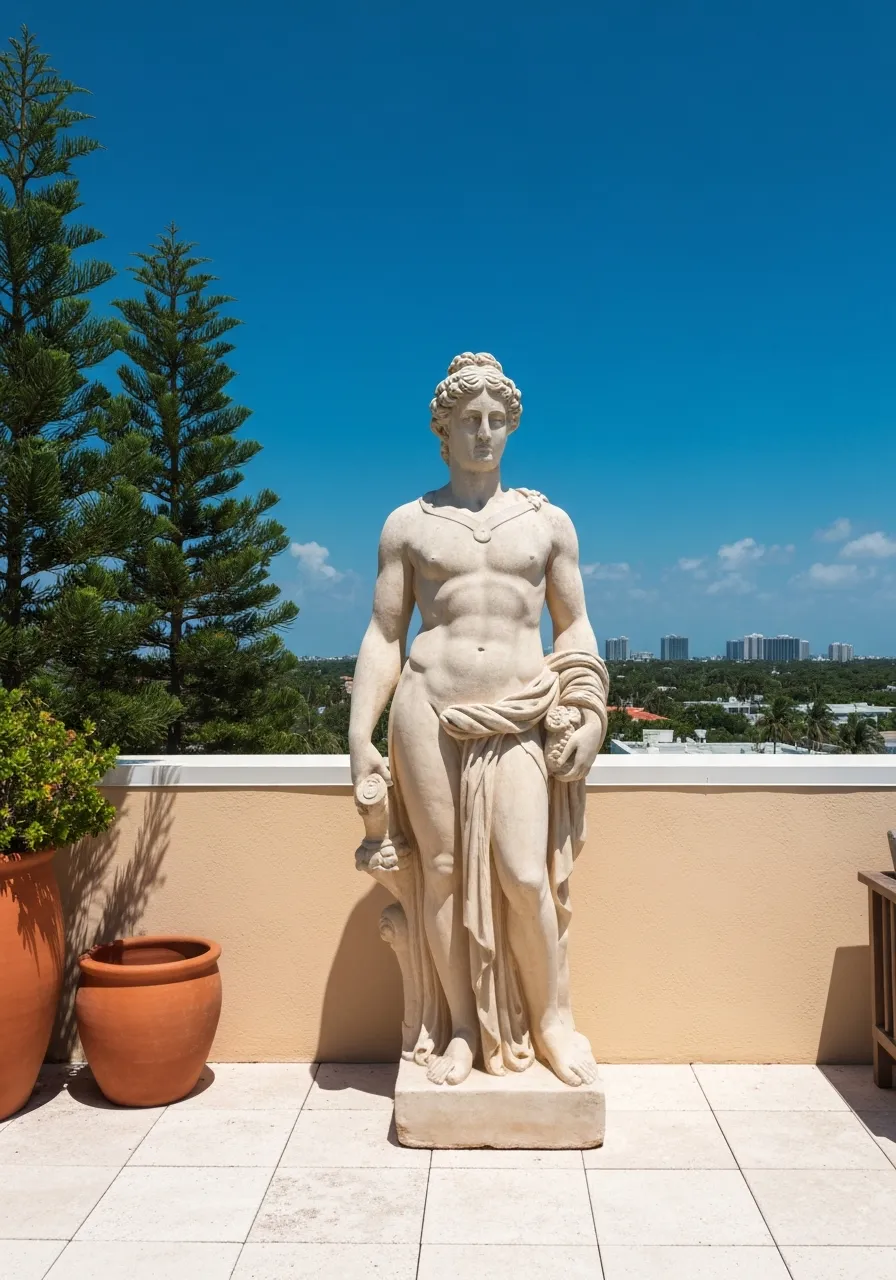
We don't hide what our statuary is made of. The market is flooded with cheap, thin-walled imports that warp, crack, and yellow under the relentless Florida sun. We source only structural-grade composite resin, heavily reinforced with interior fiberglass. This achieves the necessary weightlessness for rooftop and balcony placements without sacrificing a decade of durability.
Every piece receives a meticulous, hand-applied finish. This is not a uniform, factory spray-on coating. It is a multi-layered patina specifically formulated for UV resistance, designed to replicate the organic weathering of traditional cast stone while offering superior resilience against coastal elements.
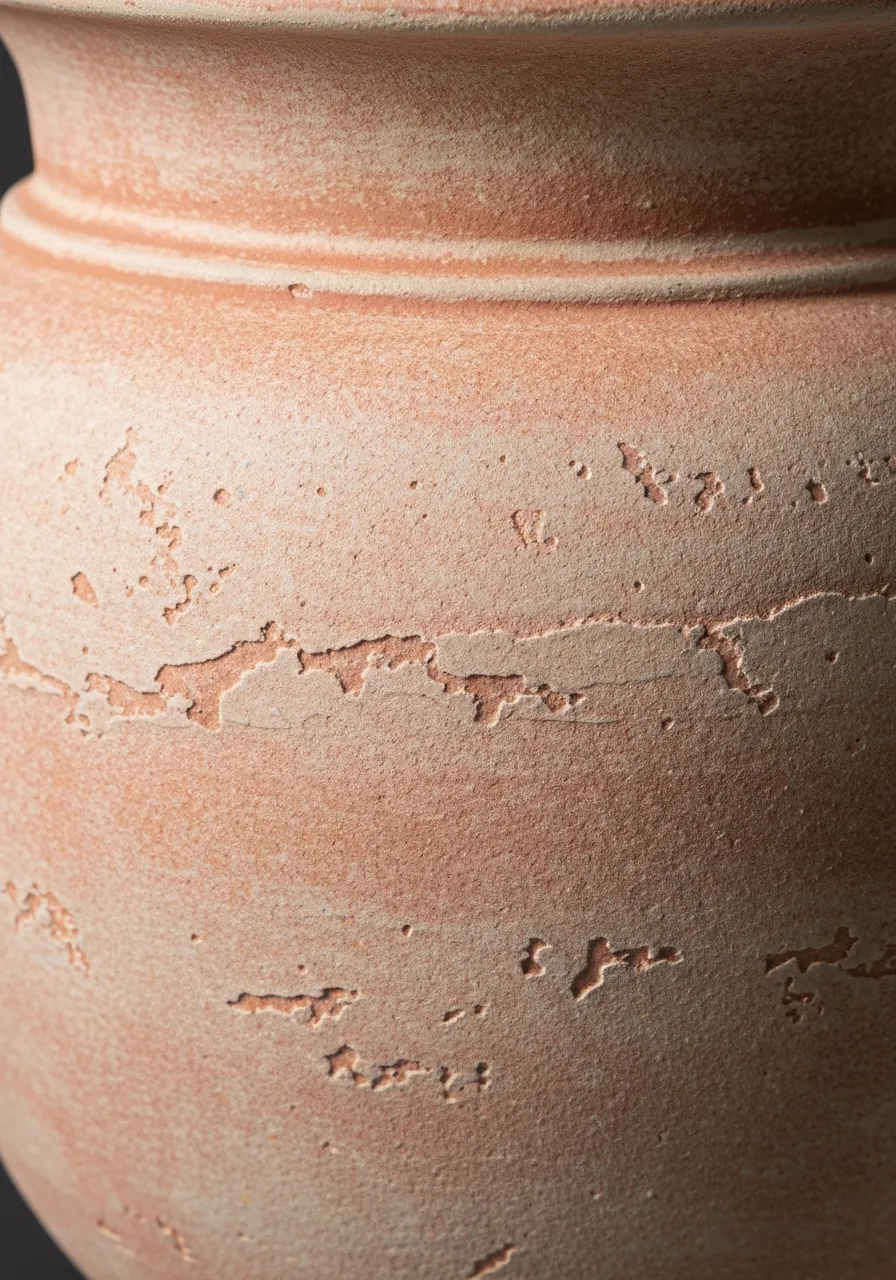
MATERIAL HONESTY
Where It Wins,
And Where It Doesn't
We engineer materials for specific structural and environmental demands. Understanding the limitations of each medium ensures a piece that lasts gracefully over decades. There is no universal solution—only the right specification for the space.
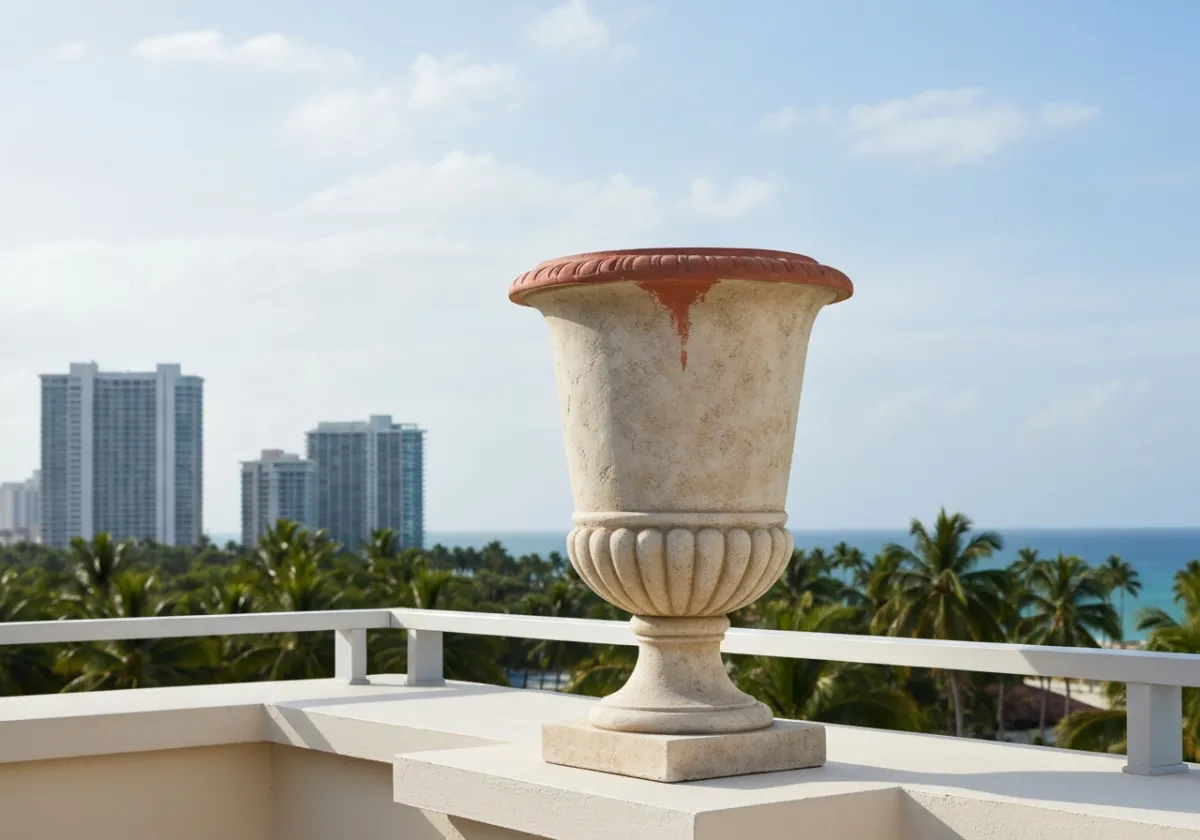
Choose Composite When...
Elevated Loads: Weight is a critical constraint. Ideal for modern penthouse balconies, rooftop gardens, or suspended architectural elements that require strict adherence to modern structural load ratings.
Complex Logistics: Installation requires navigating residential elevators, narrow historical corridors, or enclosed spaces where deploying heavy lifting equipment is impossible.
Applied Finishes: You desire a meticulously hand-applied surface texture that precisely replicates a specific historical patina without the associated multi-ton solid mass.
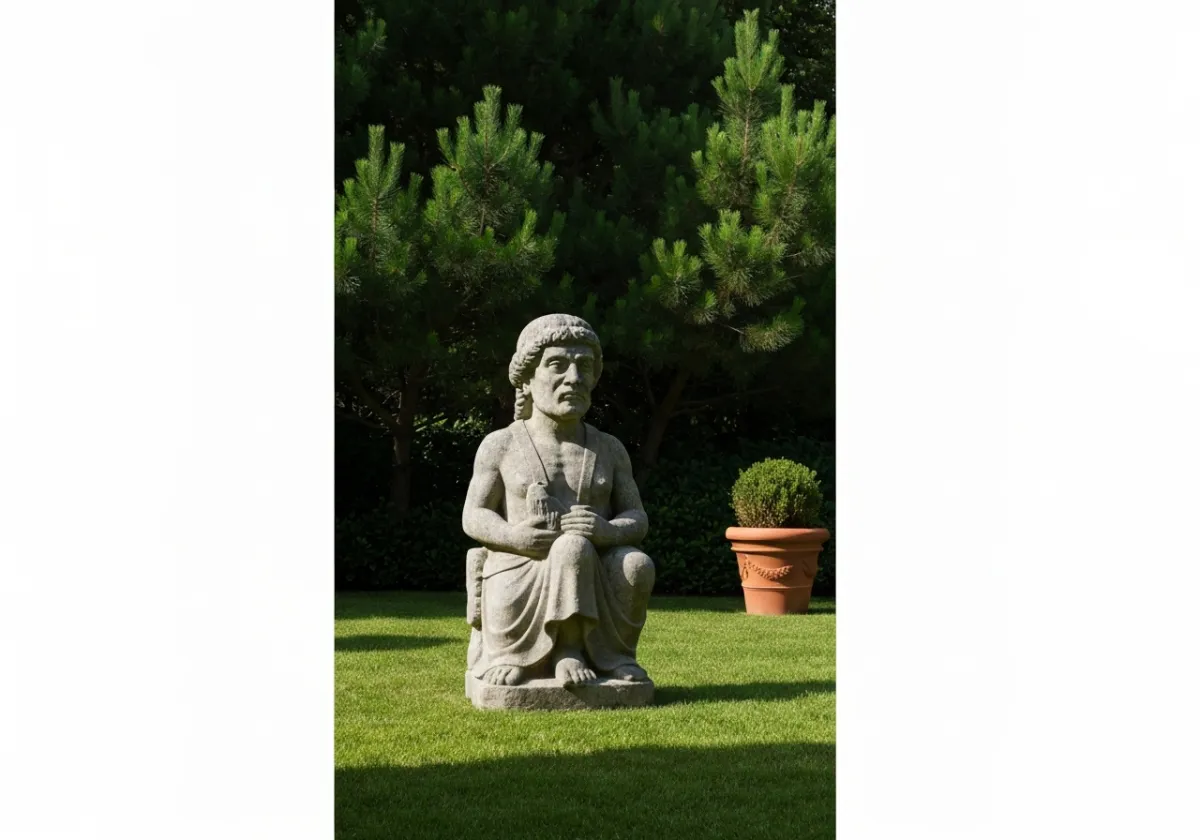
Choose Cast Stone When...
At-Grade Placement: The piece is sited on solid ground. Perfect for expansive estate lawns, traditional garden parterres, or as foundational architectural elements tied directly to the earth.
Extreme Exposure: Full, unprotected weather exposure is expected over decades. The integral surface and structural density naturally withstand and age gracefully under severe elemental wear.
Structural Anchoring: Traditional mass is desired for permanence. The sheer weight of the material anchors the piece naturally, requiring no additional modern tension or fastening systems to resist high winds.
PRACTICAL GUIDANCE
Less Mass,
More Planning
While modern composite materials allow for unprecedented placements in high-rise and rooftop environments, their reduced mass requires deliberate engineering to ensure long-term stability and security.
Ballasting Hollow Cores
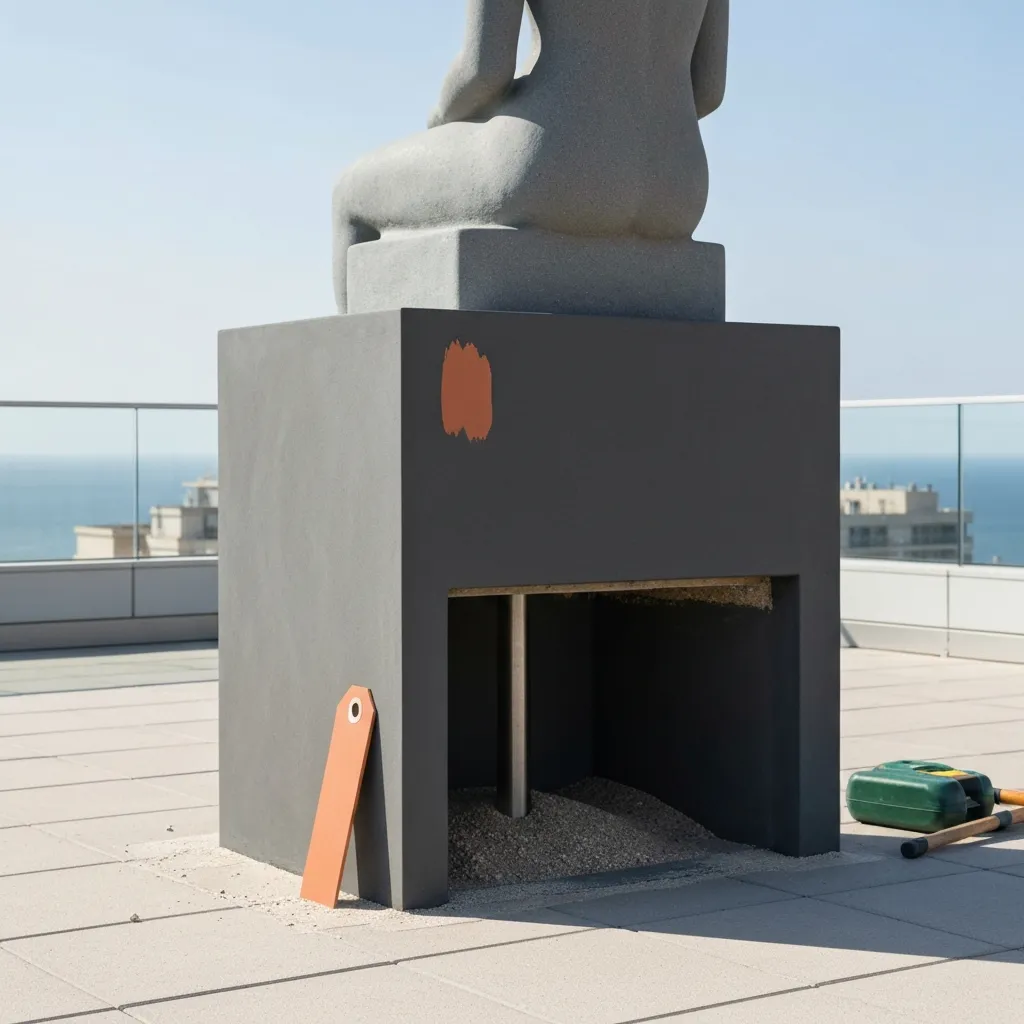
Our lightweight pieces are cast with hollow bases intentionally designed to accept compacted sand or pea gravel once positioned. This adds critical, localized weight without unnecessarily taxing the overall structural load of a balcony or deck.
Structural Anchoring
For exposed penthouse gardens or high-wind corridors, we engineer hidden mounting points. These allow the statuary to be securely tethered to structural decking or custom plinths using marine-grade, rust-proof hardware.
Investment Security
An easily lifted piece is a vulnerable piece. Proper ballasting and concealed anchoring transform a lightweight composite casting into a permanent fixture, protecting your investment from opportunistic theft in commercial settings.
FINISH LONGEVITY
An Applied
Surface
Unlike the integral color of cast stone, a composite piece relies on a hand-applied finish. In the harsh Florida climate, this applied surface will gracefully patina over time, interacting with the environment rather than resisting it entirely.
To maintain the original aesthetic, pieces can be periodically refreshed with UV-resistant sealers or repainted. For projects demanding absolute, unyielding permanence without maintenance, we respectfully direct our clients toward our classical cast stone or architectural bronze collections.
Experience the
Collection
Visit our Boynton Beach garden center to inspect the hand-applied finishes in person and find the perfect lightweight composite statuary for your penthouse, balcony, or rooftop project. Vendor-held pieces may be obtained in approximately 2 days, depending on availability.
Before You Buy
Questions, Answered
Load limits, finish, wind, and longevity — the straight answers on composite sculpture.
Composite pieces are designed to provide the look and scale of traditional statuary at a lighter weight. The surface is typically dull or flat rather than glossy, and finishes vary by piece and manufacturer. Up close, the material may look and feel different from natural stone or cast stone, so we recommend seeing the available pieces in person when the exact finish is important to your project.
Structural capacity should be confirmed with your building management, association, engineer, or another appropriately qualified professional. Floral Acres can provide available manufacturer information or estimate the weight of a particular piece, but we do not provide structural-load certifications. The complete installation and site conditions should be evaluated before placing statuary on a balcony, rooftop, terrace, or other load-sensitive area.
Weight, shape, height, exposure, placement, and site conditions all affect the stability and security of a lightweight piece. Wind and storm conditions should be considered carefully, especially in exposed locations. We do not make blanket recommendations about anchoring or guarantee that a particular piece will remain secure or undamaged during severe weather. Significant or unusual installations should be evaluated individually.
There is no fixed lifespan that applies to every composite finish. Sunlight, moisture, salt exposure, irrigation, weather, and the location of the piece can all affect how the surface changes over time. Composite pieces generally have a dull or flat finish, and some finishes may gradually weather or change in appearance. Ask us about the specific piece and any manufacturer or vendor care information that applies.
Chips and surface damage can look different depending on the composite material, finish, and construction of the piece. Some damage may be repairable or refinished, while other repairs may remain visible. If a piece is damaged, we recommend contacting us before attempting a repair so we can review the specific material and any manufacturer or vendor recommendations.
Cleaning should be based on the specific composite material and finish. Because surfaces can vary, we do not recommend one cleaning method for every piece. Before using pressure washing, abrasives, solvents, chemicals, or other treatments, check the manufacturer or vendor guidance for the individual item or ask our team about appropriate care.
Composite material can be a good option when a project calls for a larger piece with less weight, but the best material depends on the location, scale, appearance, exposure, and practical requirements of the installation. We do not apply one material rule to every project. Our team can help you compare composite, cast stone, and other available options based on the specific setting.