THE GARDEN STANDARD
Cast Stone,
Built for the Garden
Cast stone has long been the definitive choice for South Florida landscapes, offering enduring elegance that gracefully weathers the tropical climate.
Not Carved.
/Cast/
True estate-scale statuary requires beauty, presence, and enduring craftsmanship. Our cast stone pieces are created from a carefully engineered blend of fine cement, graded aggregates, and mineral pigments, producing the rich texture and architectural character of natural stone. The casting process allows for remarkable detail, strength, and consistency—making each piece equally at home in a formal garden, tropical landscape, courtyard, or grand entryway. Designed to complement South Florida’s most distinctive homes and landscapes, these are pieces made to be admired for generations.
FLORIDA-PROVEN DURABILITY
Sun, Salt,
/And Storm Season/
Made for the Florida Sun
South Florida demands more from outdoor décor. Quality cast stone is crafted from durable cementitious materials, natural aggregates, and mineral pigments selected to perform beautifully in outdoor environments. Its substantial construction and timeless finish make it especially well suited for gardens, courtyards, pool areas, and estate landscapes.
At Home in Coastal Landscapes
From intense sunshine and seasonal rain to the salt-laden air of coastal living, the materials you choose matter. Cast stone offers the weight, strength, and enduring architectural character desired for South Florida landscapes—while naturally developing a distinctive patina that can add even more character over time.
Designed for Outdoor Living
Whether framing an entrance, anchoring a formal garden, or creating a focal point among tropical plantings, cast stone statuary brings permanence and presence to the landscape—season after season.

THE NATURAL AGING PROCESS
Beauty That Deepens
/With Time/
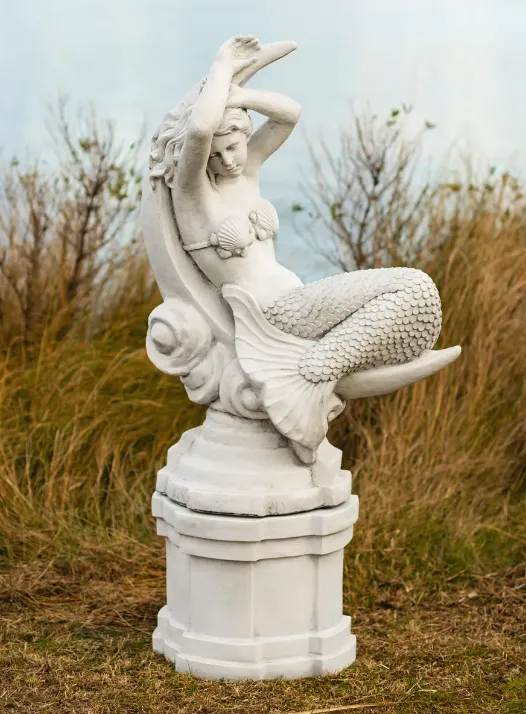
One of the enduring qualities of cast stone is the way it becomes part of the landscape. With exposure to sun, rain, and the natural elements, its surface may gradually develop subtle variations in tone and texture—creating the distinctive patina associated with established gardens and timeless architecture.
Rather than appearing newly placed year after year, cast stone can take on a sense of permanence and belonging. Nestled among palms, flowering tropicals, hedges, and mature plantings, each piece develops a character uniquely its own.
It is this graceful aging process that makes cast stone so beautifully suited to South Florida gardens—where the landscape itself is always evolving.
The Essential
/Forms/
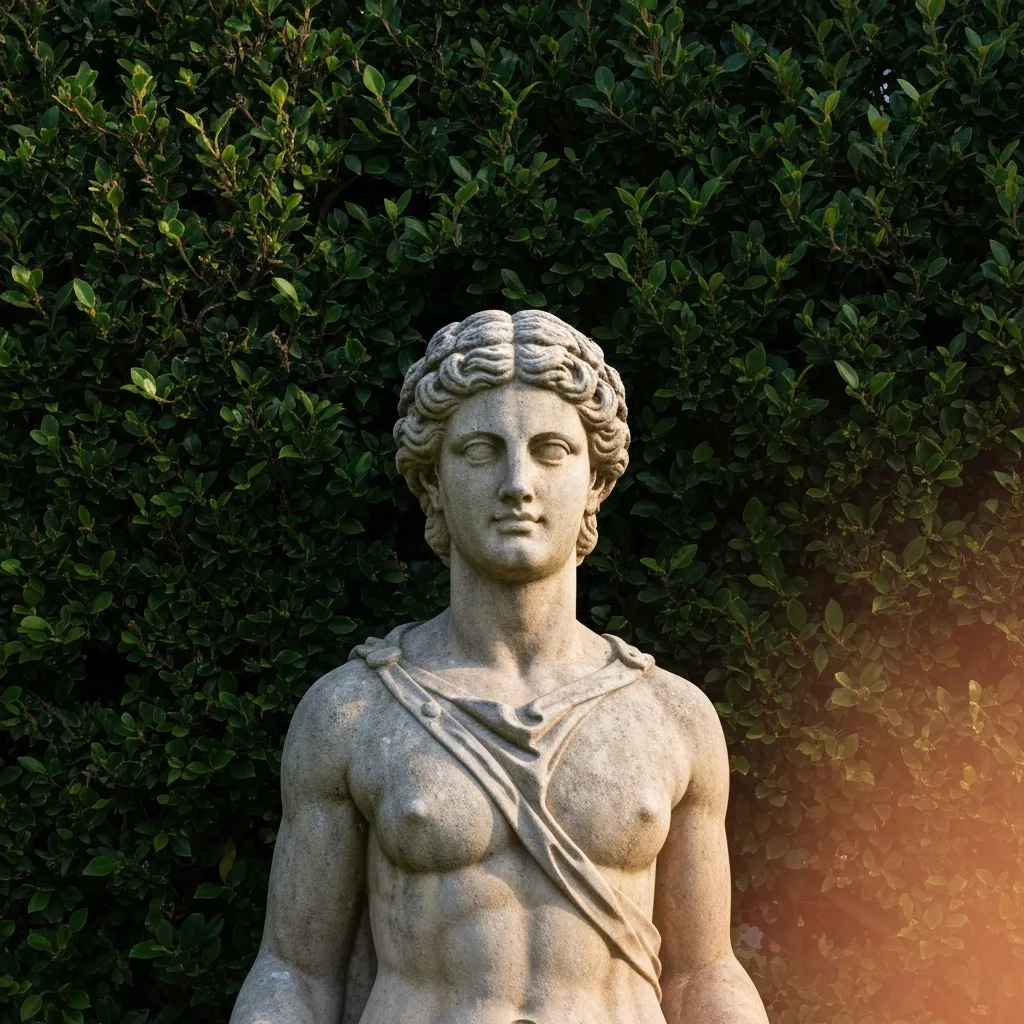
Figures & Sculpture
Create a distinctive focal point with classical figures, garden sculpture, and ornamental forms. From traditional European-inspired pieces to understated architectural accents, each selection brings character and presence to the landscape.
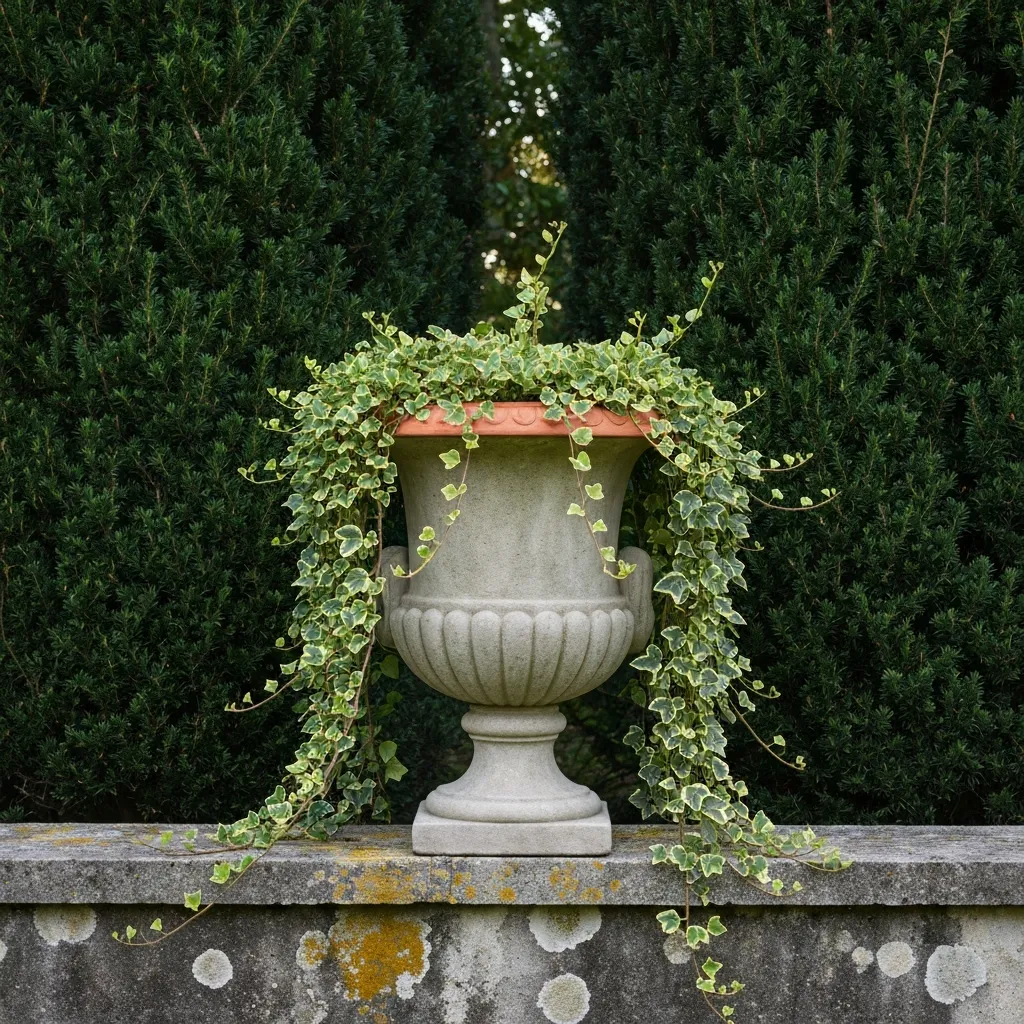
Urns & Planters
Frame an entrance, accent a terrace, or create a dramatic garden centerpiece. Cast stone urns and planters combine substantial scale with timeless forms designed to complement palms, flowering tropicals, topiaries, and seasonal plantings.
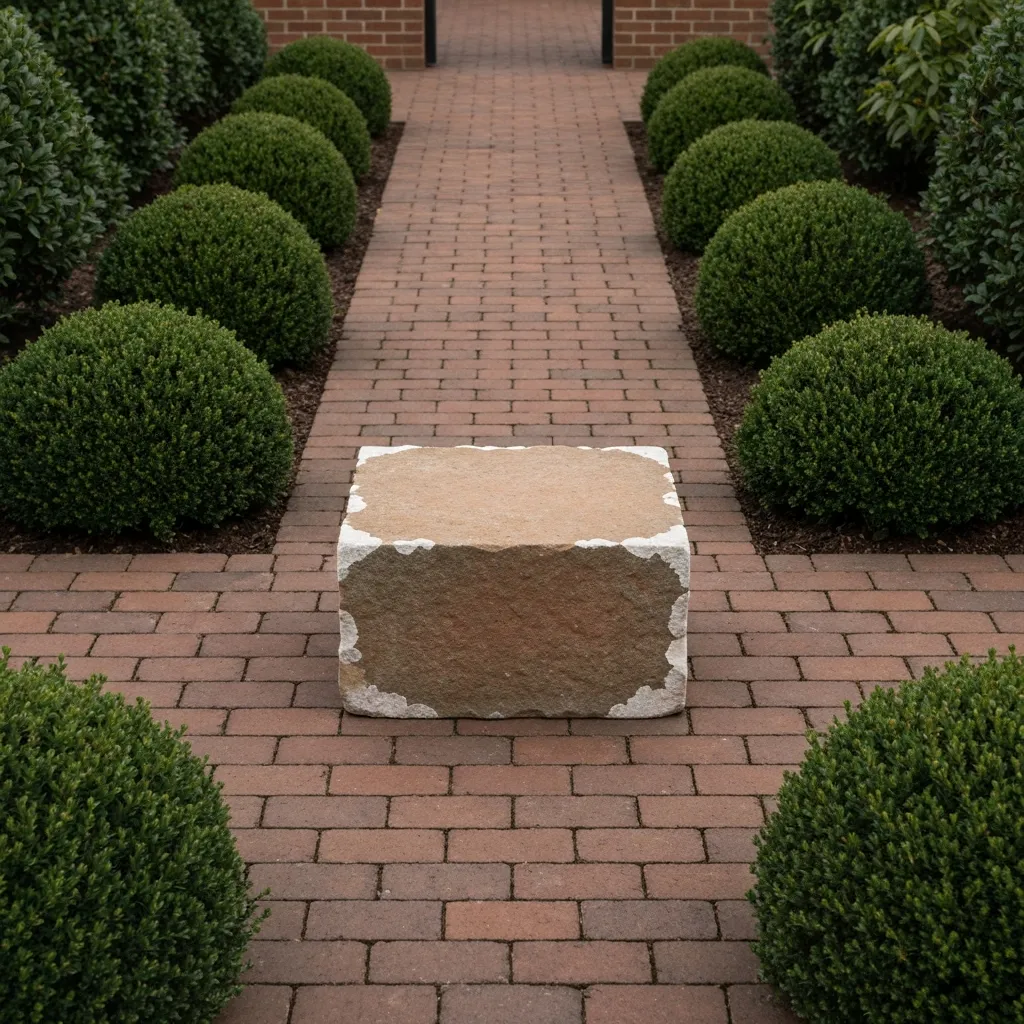
Pedestals & Plinths
Give important pieces the prominence they deserve. Pedestals and plinths add height, proportion, and architectural structure while providing an elegant foundation for urns, sculptures, and garden ornaments and create an environment of beauty.
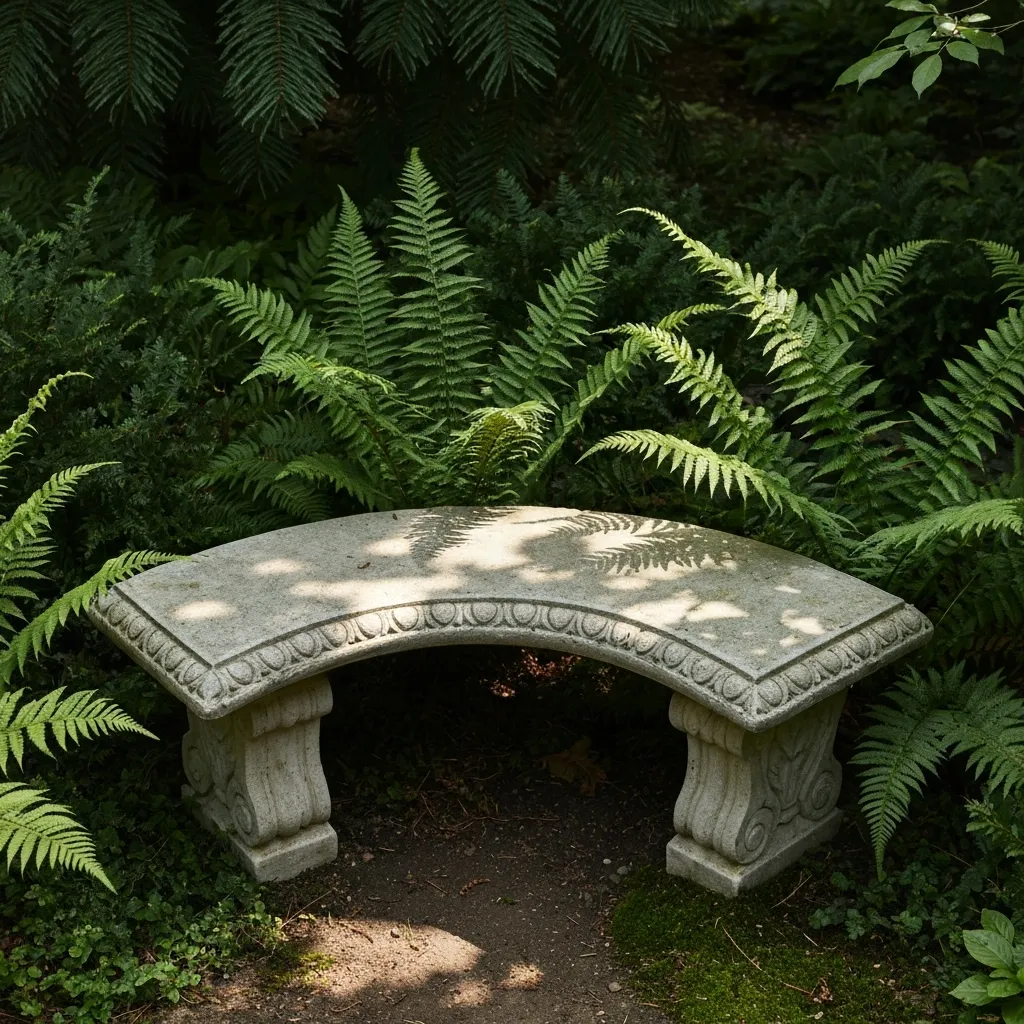
Benches & Architectural
Bring beauty and function into the landscape with cast stone benches and architectural accents. Thoughtfully placed among gardens, courtyards, pathways, and terraces, these pieces create moments of interest, permanence, and repose.
CHOOSING THE RIGHT MATERIAL
Where It Wins,
/And Where It Doesn't/
Every material brings its own character to the landscape. Cast stone is prized for its substantial presence, versatility, and ability to reproduce classical architectural forms and sculptural details. But the right choice ultimately depends on the setting, aesthetic, scale, and character you want to create.
Cast Stone vs. Bronze: Cast stone offers substantial architectural presence and is especially well suited to classical garden forms, urns, pedestals, fountains, and large-scale ornamentation. Bronze offers a distinctly different aesthetic and can capture exceptionally fine sculptural detail.
Cast Stone vs. Marble: Cast stone provides the appearance and presence associated with traditional masonry while offering tremendous flexibility in form, scale, and finish. Natural marble offers unique veining, coloration, and the unmistakable character of quarried stone.
Cast Stone vs. Iron: Cast stone brings weight, texture, and masonry character to a landscape without the metallic appearance of iron. Iron offers its own advantages for slender profiles, openwork designs, gates, furniture, and decorative architectural details.
Placement & Foundation
Height, Sightline,
/And a Level Base/
The right placement can transform a beautiful piece into a true focal point. A pedestal can add height, improve sightlines, and give statuary the scale and presence it deserves—whether positioned at the end of a garden path, within a courtyard, beside a pool, or framed by tropical plantings.
Just as important is what lies beneath it. Cast stone pieces can be substantial in size and weight, making a stable, level base an important consideration when planning their placement.
Consider the Foundation: Larger and heavier pieces should be placed on an appropriately prepared surface capable of supporting their weight.
Keep It Level: A level base helps maintain proper alignment and ensures that pedestals, statuary, and architectural elements present as intended.
Plan for Drainage: Consider surrounding drainage and landscape conditions when choosing a permanent location, particularly in South Florida's rainy climate.
Not sure what your piece requires? Ask us. We're happy to help you think through placement, scale, and the appropriate foundation before you bring it home.
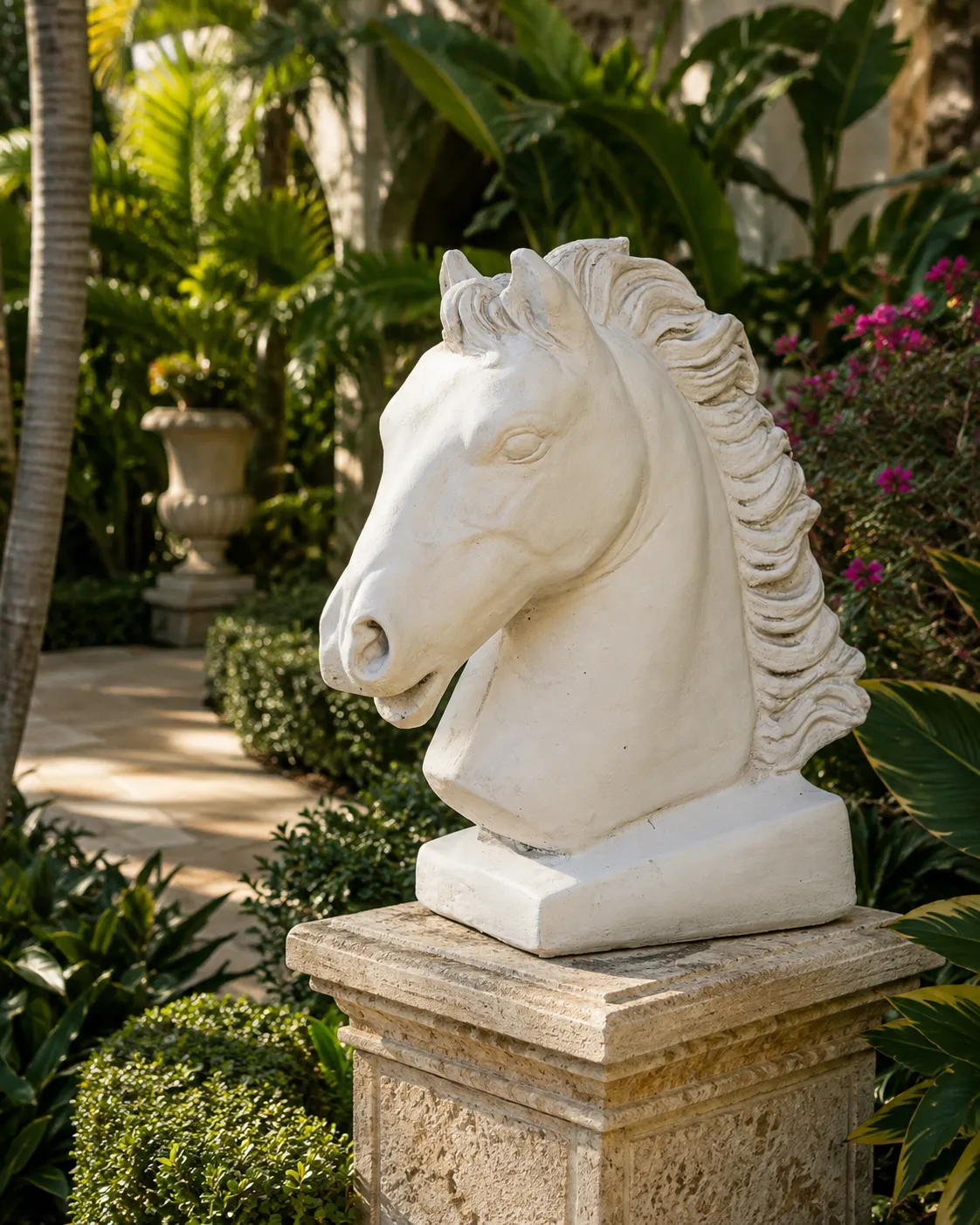
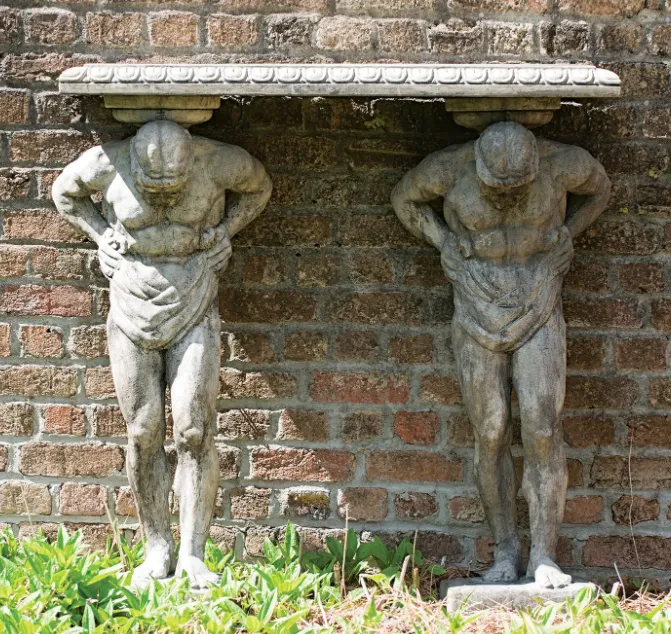
Heavy
/On Purpose/
The substantial weight of cast stone is part of its appeal. Unlike lightweight decorative materials, cast stone has the mass, presence, and permanence of true masonry—qualities that allow a piece to feel naturally integrated into an established landscape.
That weight also deserves consideration before your piece arrives. Larger statuary, urns, pedestals, benches, and architectural elements may require careful handling, an appropriately prepared surface, and specialized equipment for placement.
Before selecting a location, consider access, dimensions, weight, foundation, and the surrounding landscape. Our team can help you plan ahead so your piece can be placed where it will make the greatest impact.
Rinse,
/And Leave It Alone/
One of the pleasures of cast stone is that it doesn't require constant attention. For routine care, a gentle rinse with clean water is often all that's needed to remove loose dirt and debris. When additional cleaning is necessary, use methods appropriate for the particular piece and finish, and avoid aggressive cleaning without first checking the manufacturer's recommendations.
Over time, you may notice subtle changes in color, texture, or surface appearance. Some cast stone may also develop efflorescence—a light, powdery deposit of naturally occurring salts that can appear on masonry surfaces.
These changes are part of the natural weathering process that gives cast stone its distinctive character and patina.
When in doubt, ask us before you clean it. We're happy to help you determine the appropriate care for your particular piece.
Scale Only Reads
/In Person/
Photos simply cannot convey the true mass, surface texture, and profound garden presence of our monumental cast stone. Come experience the scale and craftsmanship for yourself.
Before You Buy
Questions, Answered
What cast stone is, how it ages, and what to consider before choosing a piece.
No. Cast stone is a manufactured material formed in molds to create the look and scale of traditional stonework. Natural stone is quarried and shaped from the stone itself. Cast stone offers a wide range of styles, sizes, and finishes, and our team can help you compare it with other materials based on the particular piece and setting.
Cast stone can change in appearance over time with sunlight, water, UV exposure, mineral deposits, and general weathering. Depending on the finish and environment, surfaces may gradually become duller or flatter and can develop natural variation or patina. We avoid guaranteeing color stability, so ask us about the specific finish and piece you are considering.
Light-colored mineral deposits can sometimes appear on cement-based materials as moisture and naturally occurring minerals move toward the surface. This can be part of normal weathering or curing, but the appearance should be evaluated on the individual piece. If you have a concern, contact us before using cleaners, chemicals, or other treatments.
Cast stone pieces can be substantial in weight, but storm and wind conditions vary considerably. Weight, shape, height, placement, pedestal design, surrounding exposure, and installation all affect how a piece may perform. We do not guarantee that a cast stone piece will remain safe or undamaged during severe weather. Significant or exposed installations should be evaluated individually.
Cast stone and bronze offer different looks, weights, finishes, weathering characteristics, and price points. Cast stone can provide substantial scale and a traditional garden appearance, while bronze offers a different level of detail and develops its own surface patina over time. Because metal-containing pieces may not be appropriate for every coastal application, the best choice depends on the specific piece, location, exposure, and budget.
Cast stone can be difficult to keep pristine because water, UV exposure, minerals, algae, and normal weathering can change the surface over time. Pressure washing may be appropriate in some situations, but the correct method depends on the finish, age, condition, and specific piece. Before using pressure washing, chemicals, abrasives, or other treatments, check the applicable manufacturer or vendor guidance or ask our team.
That depends on the sculpture, scale of the space, sightlines, pedestal design, and installation location. Some pieces work well on pedestals while others are intended to sit closer to grade. Larger or heavier installations require careful consideration of the base and site conditions, and structural questions should be reviewed by an appropriately qualified professional when necessary.